THE ADVENTURE COLLECTIVE® · Independent discovery and booking for outdoor travel

Cross a short stretch of sea from Changi Point and slip into Pulau Ubin’s mangrove labyrinth, where calm channels, prolific birdlife, and guided instruction make a four‑hour beginner‑friendly kayak experience.
Cross a short stretch of sea from Changi Point and slip into Pulau Ubin’s mangrove labyrinth, where calm channels, prolific birdlife, and guided instruction make a four‑hour beginner‑friendly kayak experience.
Low, gray waves spit you off a small bumboat and then the mangrove alley pulls you into quieter water.
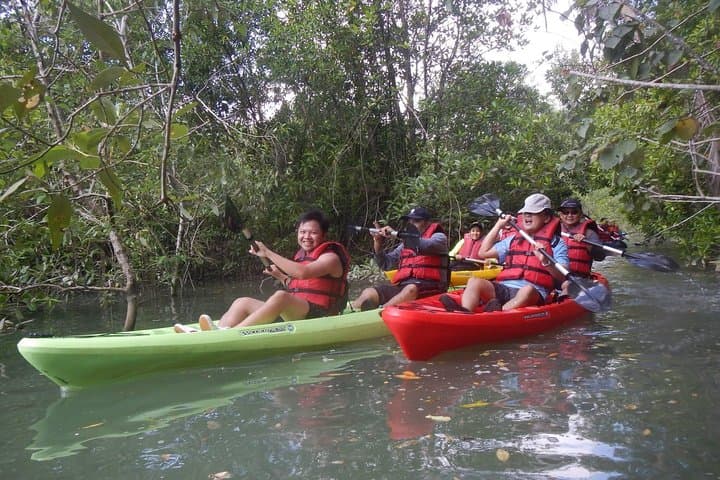
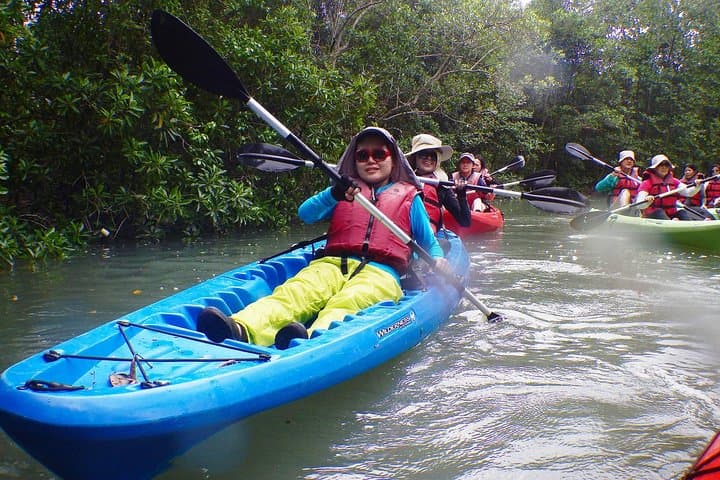
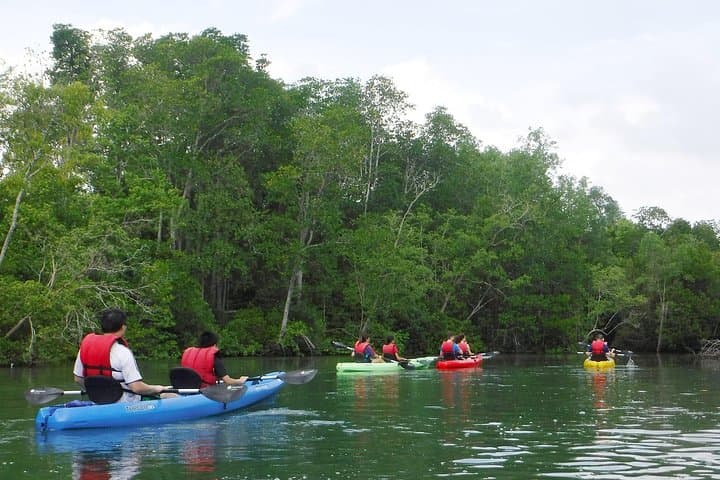
Paddling from Changi Point toward Pulau Ubin, participants cross a short, choppy stretch of sea before slipping into channels where currents slow and prop roots braid the mud.
The air tightens with salt and leaf; kingfishers flash, egrets stalk the edge, and the occasional white-bellied sea eagle cruises overhead, watching the tidal rhythm below.
Verified experiences and guided adventures in the surrounding area.
Operated by Asian Detours Pte Ltd · Pulau Ubin, Singapore
Low, gray waves spit you off a small bumboat and then the mangrove alley pulls you into quieter water.
Paddling from Changi Point toward Pulau Ubin, participants cross a short, choppy stretch of sea before slipping into channels where currents slow and prop roots braid the mud.
The air tightens with salt and leaf; kingfishers flash, egrets stalk the edge, and the occasional white-bellied sea eagle cruises overhead, watching the tidal rhythm below.
Pulau Ubin preserves a slice of Singapore’s maritime past: old granite quarries, kampong houses, and shorelines shaped by sediment and tides. Geologically the northeast collects sand and shell, building the mudflats that feed mangrove networks and support juvenile fish.
Local guides layer natural history with safety instruction—how tides open and close channels, which roots to avoid, and why the wetlands matter to the larger Singapore Strait ecosystem.
Practically, the program is four hours on-site with equipment provided; expect to get wet during PFD checks and while boarding. Public bumboats from Changi Point cost roughly SGD 3–5 each way and can involve 20–30 minute waits—arrive early. Morning or late-afternoon departures yield cooler conditions and better bird activity. Wear quick-dry clothing, reef-safe sunscreen, insect repellent, and footwear that stays on when wet; stow phones in a small dry bag.
The route suits beginners but requires attention to tides and your leader’s instructions. Keep to marked channels to protect roots and mudflats, photograph wildlife rather than touching it, and use the rinse facilities on return to remove salt and mud.
easy.
4 hours.
Suitable for most fitness levels: light to moderate aerobic capacity and the ability to sit and paddle for up to two hours intermittently.
Yes—equipment and instruction are provided and routes are tailored for beginners, though you should be comfortable with basic paddling and getting wet.
Most groups depart from Changi Point Ferry Terminal—take public transport to Changi, then a short bumboat to Pulau Ubin (approximately SGD 3–5 each way).
Expect kingfishers, herons and egrets, occasional white‑bellied sea eagles and the oriental pied hornbill; guides point out species as you paddle.
Full refunds typically require 24‑hour notice; tours run in light rain but may be adjusted for heavy monsoon weather—check with the operator if conditions look severe.
Pulau Ubin retains traces of 20th‑century granite quarrying and kampong life, offering a rare look at Singapore’s maritime and rural heritage.
The mangroves are vital nurseries for marine life—stay in channels, avoid trampling prop roots, and use reef‑safe products to minimize impact.
Asian Detours Pte Ltd operates guided outdoor trips and adventures with an emphasis on safety, stewardship, and memorable experiences.

Low, gray waves spit you off a small bumboat and then the mangrove alley pulls you into quieter water.
Paddling from Changi Point toward Pulau Ubin, participants cross a short, choppy stretch of sea before slipping into channels where currents slow and prop roots braid the mud.
The air tightens with salt and leaf; kingfishers flash, egrets stalk the edge, and the occasional white-bellied sea eagle cruises overhead, watching the tidal rhythm below.
Pulau Ubin preserves a slice of Singapore’s maritime past: old granite quarries, kampong houses, and shorelines shaped by sediment and tides. Geologically the northeast collects sand and shell, building the mudflats that feed mangrove networks and support juvenile fish.
Local guides layer natural history with safety instruction—how tides open and close channels, which roots to avoid, and why the wetlands matter to the larger Singapore Strait ecosystem.
Practically, the program is four hours on-site with equipment provided; expect to get wet during PFD checks and while boarding. Public bumboats from Changi Point cost roughly SGD 3–5 each way and can involve 20–30 minute waits—arrive early. Morning or late-afternoon departures yield cooler conditions and better bird activity. Wear quick-dry clothing, reef-safe sunscreen, insect repellent, and footwear that stays on when wet; stow phones in a small dry bag.
The route suits beginners but requires attention to tides and your leader’s instructions. Keep to marked channels to protect roots and mudflats, photograph wildlife rather than touching it, and use the rinse facilities on return to remove salt and mud.