THE ADVENTURE COLLECTIVE® · Independent discovery and booking for outdoor travel

A compact seaside bike tour from Pula Arena that threads limestone cliffs, secluded coves, and a sea cave swim. Expect 3 hours of riding, snorkeling, and an optional cliff jump with local guides and quality MTB gear.
A compact seaside bike tour from Pula Arena that threads limestone cliffs, secluded coves, and a sea cave swim. Expect 3 hours of riding, snorkeling, and an optional cliff jump with local guides and quality MTB gear.
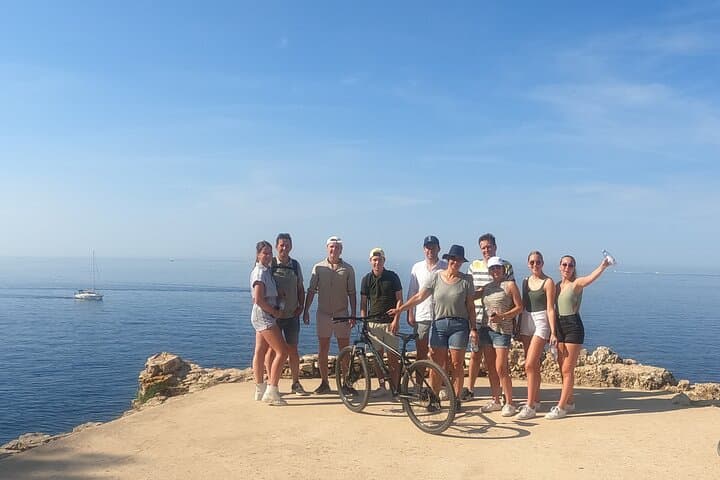
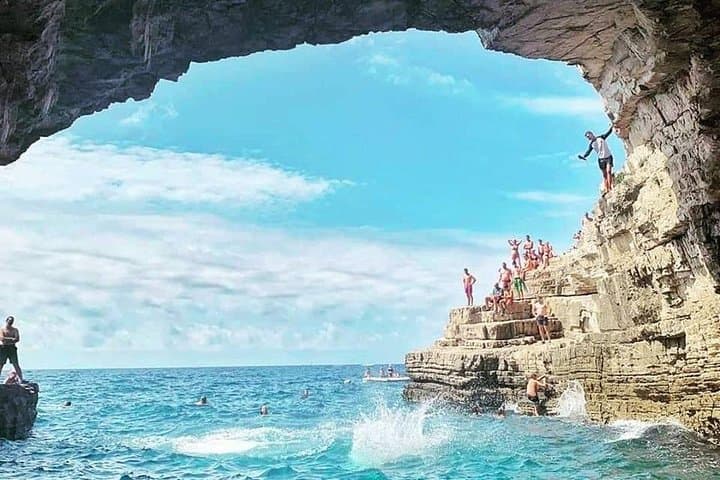
You roll off the cobbled street opposite the Arena and the Adriatic air takes hold—salty, warm, edged with pine resin. The bike path peels away from the old port, hugging the shoreline as limestone cliffs and small pebble coves punctuate the route. Guides point out a sea cave cut into the rock; beyond it the water runs clear enough to see the seabed.
Verified experiences and guided adventures in the surrounding area.
Operated by Pula Bike · Pula, Istria
You roll off the cobbled street opposite the Arena and the Adriatic air takes hold—salty, warm, edged with pine resin. The bike path peels away from the old port, hugging the shoreline as limestone cliffs and small pebble coves punctuate the route. Guides point out a sea cave cut into the rock; beyond it the water runs clear enough to see the seabed.
Pula’s coastline carries layers of history: Roman ships once moored in these bays, 19th-century shipyards expanded the harbor, and wartime memorials mark harder chapters. Geologically, the Istrian peninsula is hard limestone and karst, producing steep cliffs, hidden inlets, and thin topsoil where hardy shrubs cling. Local culture is a mix of Mediterranean fishing traditions and Central European influences—expect friendly, practical guides who know where snorkeling is best.
Practically, the experience is a condensed active afternoon: roughly 10–15 km of mixed paved and compact coastal singletrack over about three hours, with short stops for photos, a guided swim and optional cliff jump at Pigeons Cave, and basic snorkel time. Terrain is mostly easy but includes brief rocky sections and stair-portages; basic mountain-bike handling and swimming skills are required. Bring layered swimwear, reef-safe sunscreen, and shoes that grip wet rocks.
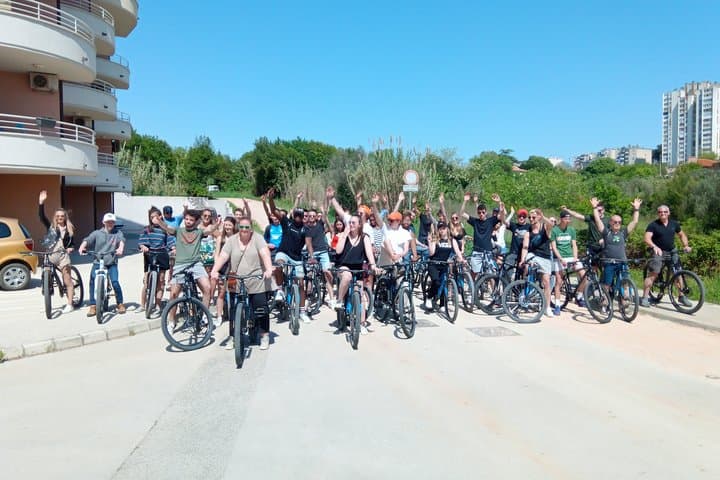
Plan to meet near Pula Arena, arrive 15 minutes early, and leave valuables locked; local guides provide helmets, quality MTBs, water (0.5 L), and photos. Time your ride for late afternoon to catch cooler air and a cleaner sea surface for snorkeling.
moderate.
3 hours.
Comfortable on a bike for 3 hours with short bursts of climbing; able to swim in open water.
Yes—basic swimming ability is required because the itinerary includes a supervised swim and snorkeling near a sea cave.
No—cliff jumping is optional; guides will show safer entry points and alternatives for those who prefer to stay on shore or use the ladder/shore entry.
Guides supply a quality MTB, helmet, 0.5 L water and photos; bring a swimsuit, extra water, sun protection, and shoes suitable for rocks.
The meeting point is across from Pula Arena; the tour lasts about three hours and covers coastal paths and short trail sections.
Pula is anchored by a well-preserved Roman amphitheater and a maritime heritage tied to a 19th-century shipyard; the coastline has long been a strategic harbor and fishing area.
The Istrian coast is sensitive—avoid trampling dune vegetation, use reef-safe sunscreen, and follow guide instructions to limit disturbance to marine habitats.
Pula Bike operates guided outdoor trips and adventures with an emphasis on safety, stewardship, and memorable experiences.

You roll off the cobbled street opposite the Arena and the Adriatic air takes hold—salty, warm, edged with pine resin. The bike path peels away from the old port, hugging the shoreline as limestone cliffs and small pebble coves punctuate the route. Guides point out a sea cave cut into the rock; beyond it the water runs clear enough to see the seabed.
You roll off the cobbled street opposite the Arena and the Adriatic air takes hold—salty, warm, edged with pine resin. The bike path peels away from the old port, hugging the shoreline as limestone cliffs and small pebble coves punctuate the route. Guides point out a sea cave cut into the rock; beyond it the water runs clear enough to see the seabed.
Pula’s coastline carries layers of history: Roman ships once moored in these bays, 19th-century shipyards expanded the harbor, and wartime memorials mark harder chapters. Geologically, the Istrian peninsula is hard limestone and karst, producing steep cliffs, hidden inlets, and thin topsoil where hardy shrubs cling. Local culture is a mix of Mediterranean fishing traditions and Central European influences—expect friendly, practical guides who know where snorkeling is best.
Practically, the experience is a condensed active afternoon: roughly 10–15 km of mixed paved and compact coastal singletrack over about three hours, with short stops for photos, a guided swim and optional cliff jump at Pigeons Cave, and basic snorkel time. Terrain is mostly easy but includes brief rocky sections and stair-portages; basic mountain-bike handling and swimming skills are required. Bring layered swimwear, reef-safe sunscreen, and shoes that grip wet rocks.
Plan to meet near Pula Arena, arrive 15 minutes early, and leave valuables locked; local guides provide helmets, quality MTBs, water (0.5 L), and photos. Time your ride for late afternoon to catch cooler air and a cleaner sea surface for snorkeling.