
Pula Historical Walking Tour: Roman Amphitheatre & Old Town Guided Walk
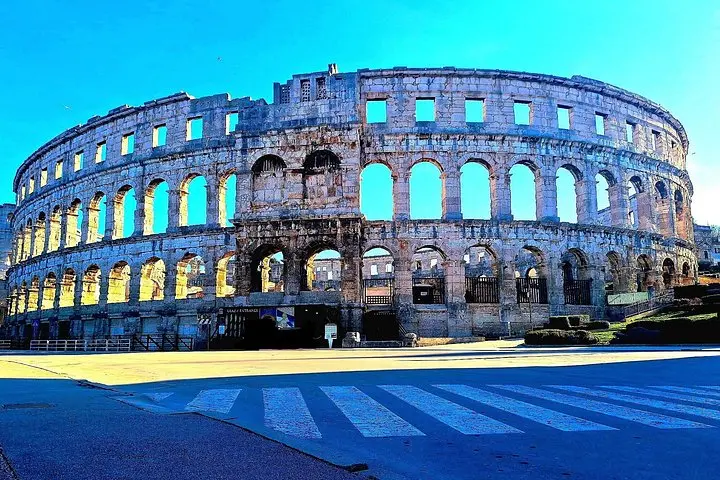
Walk Pula’s compact old town with an accredited local guide in German or English. In 90 minutes you’ll see the Roman Amphitheatre, Arch of the Sergii, Kastel and more — admissions not included.
An Adventure In Pula.
Walk Pula’s compact old town with an accredited local guide in German or English. In 90 minutes you’ll see the Roman Amphitheatre, Arch of the Sergii, Kastel and more — admissions not included.
Read the full experience
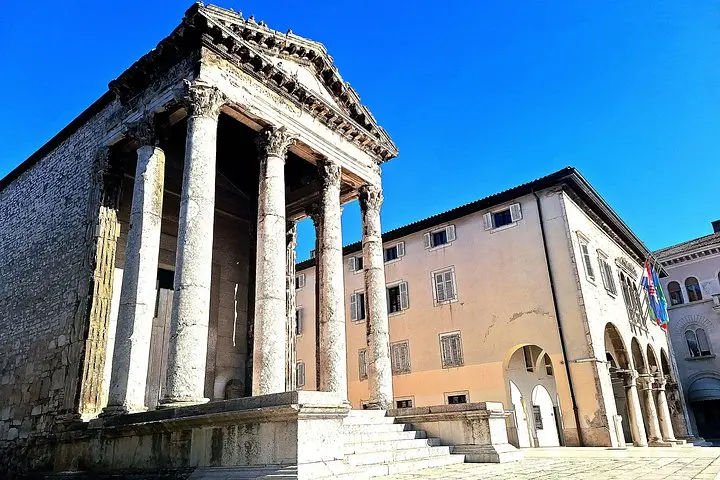
You step off the quay into a square where stone remembers every ruler — the Adriatic breeze nudges the crowd and the guide starts in measured German or English. Over the next 90 minutes the city loosens its layers: Republic-era arches, Roman inscriptions, and Austro-Hungarian façades pass like pages in an open book.
You step off the quay into a square where stone remembers every ruler — the Adriatic breeze nudges the crowd and the guide starts in measured German or English. Over the next 90 minutes the city loosens its layers: Republic-era arches, Roman inscriptions, and Austro-Hungarian façades pass like pages in an open book.
Pula's core is shaped by geology and empire. Built on limestone bedrock, the town’s Roman grid survives in the Amphitheatre (1st century AD) and the Arch of the Sergii. Venetian and later Habsburg influences stitched new streets and churches into older foundations, producing an urban fabric that still serves everyday life: markets, cafés, and narrow alleys that funnel sea air inland.
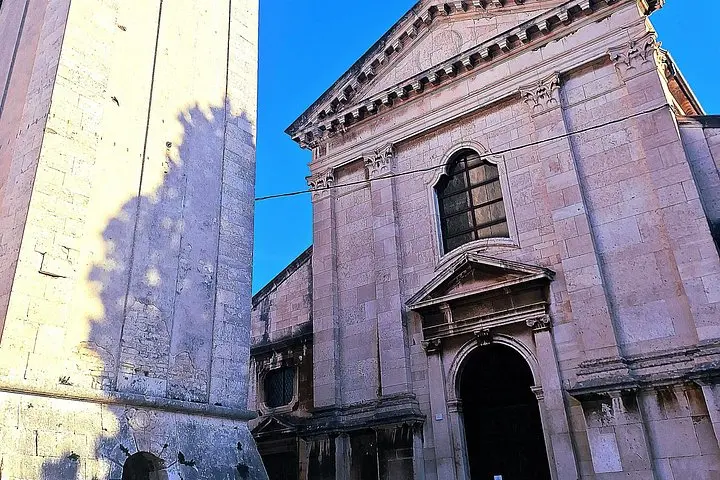
Local culture is practical and convivial — guides point out family-run bars, neighborhood churches, and defensive forts that became parks. The tour highlights include the Amphitheatre, the Arch, the old citadel (Kastel) and glimpses of church squares; admissions are not included so you can choose to linger inside monuments.
Practical guidance: wear sturdy shoes — cobbles and short stair flights are constant. Carry water and a light layer; shade is limited in summer. The private, accredited guide will adapt pacing for wheelchairs and strollers but check specific access at each monument. Bring cash or a card for museum entries and plan to arrive 10–15 minutes early to confirm your meeting point. If you want photos with fewer people, book first thing in the morning or late afternoon. The tour balances storytelling and orientation, leaving you able to continue exploring Pula with local confidence.
Frequently asked questions
No — the tour notes that monument admissions (like the Amphitheatre) are not included; you can buy them on site or online.
The operator lists wheelchair and stroller accessibility and can adapt pace, but some ancient sites have limited access; check specific monument access in advance.
This private tour is offered in German or English with an accredited local guide.
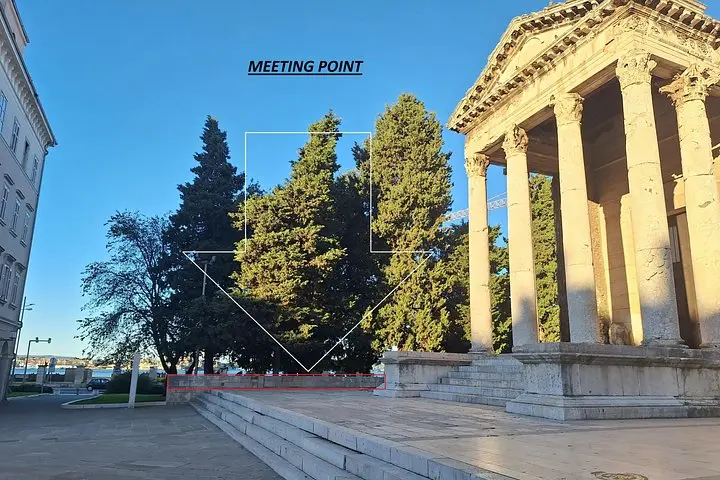
Meeting is usually at the main square; you’ll receive exact details when booking. Cancel at least 24 hours before departure for a full refund.
About This Experience
Exclusive tours operates guided outdoor trips and adventures with an emphasis on safety, stewardship, and memorable experiences.
Adventure tips
Recommended gear
- Comfortable walking shoes: Grip and support for cobbled streets and short stair sections.
- Reusable water bottle: Stay hydrated during summer heat or long stretches between cafés.
- Light layer or windbreaker: Adriatic breezes can be cool in spring and evening; a packable layer is useful.
- Small daypack: Holds tickets, wallet, camera and purchases without weighing you down.
Photos of the experience
Related adventures & guides
Read the full experience
You step off the quay into a square where stone remembers every ruler — the Adriatic breeze nudges the crowd and the guide starts in measured German or English. Over the next 90 minutes the city loosens its layers: Republic-era arches, Roman inscriptions, and Austro-Hungarian façades pass like pages in an open book.
You step off the quay into a square where stone remembers every ruler — the Adriatic breeze nudges the crowd and the guide starts in measured German or English. Over the next 90 minutes the city loosens its layers: Republic-era arches, Roman inscriptions, and Austro-Hungarian façades pass like pages in an open book.
Pula's core is shaped by geology and empire. Built on limestone bedrock, the town’s Roman grid survives in the Amphitheatre (1st century AD) and the Arch of the Sergii. Venetian and later Habsburg influences stitched new streets and churches into older foundations, producing an urban fabric that still serves everyday life: markets, cafés, and narrow alleys that funnel sea air inland.
Local culture is practical and convivial — guides point out family-run bars, neighborhood churches, and defensive forts that became parks. The tour highlights include the Amphitheatre, the Arch, the old citadel (Kastel) and glimpses of church squares; admissions are not included so you can choose to linger inside monuments.
Practical guidance: wear sturdy shoes — cobbles and short stair flights are constant. Carry water and a light layer; shade is limited in summer. The private, accredited guide will adapt pacing for wheelchairs and strollers but check specific access at each monument. Bring cash or a card for museum entries and plan to arrive 10–15 minutes early to confirm your meeting point. If you want photos with fewer people, book first thing in the morning or late afternoon. The tour balances storytelling and orientation, leaving you able to continue exploring Pula with local confidence.
Make a day of it nearby.
Verified experiences and guided adventures in the surrounding area.