THE ADVENTURE COLLECTIVE® · Independent discovery and booking for outdoor travel

Glide from Verudela’s coastal road into Pula’s Roman heart on an e-bike tour that pairs short coastal stretches with landmark stops like the Arena, Kastel fortress, and the Sergii Arch. Expect sea views, cobbled streets, and a practical 2–3 hour city ride.
Glide from Verudela’s coastal road into Pula’s Roman heart on an e-bike tour that pairs short coastal stretches with landmark stops like the Arena, Kastel fortress, and the Sergii Arch. Expect sea views, cobbled streets, and a practical 2–3 hour city ride.
You begin on the sun-warmed promenade of Verudela, the Adriatic pressing silver against the hulls and the breeze pushing you gently forward as your e-bike hums to life.
Verified experiences and guided adventures in the surrounding area.
Operated by MDSegway · Pula, Istria
You begin on the sun-warmed promenade of Verudela, the Adriatic pressing silver against the hulls and the breeze pushing you gently forward as your e-bike hums to life.
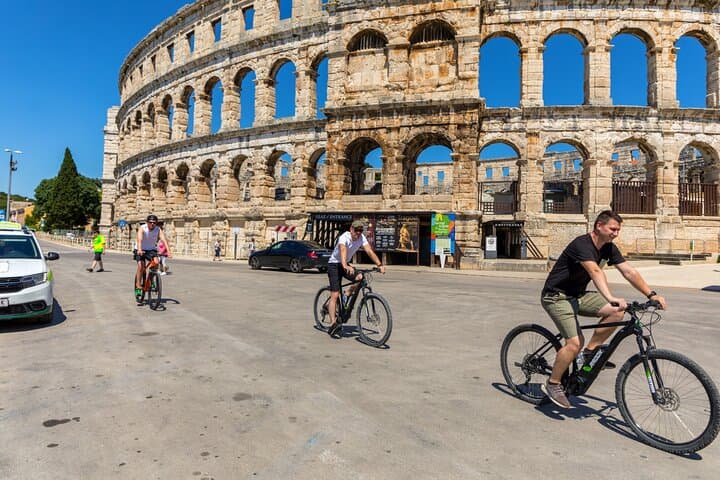
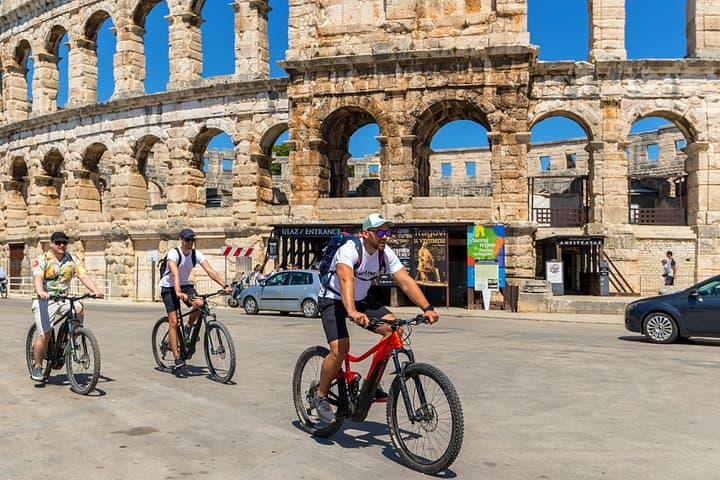
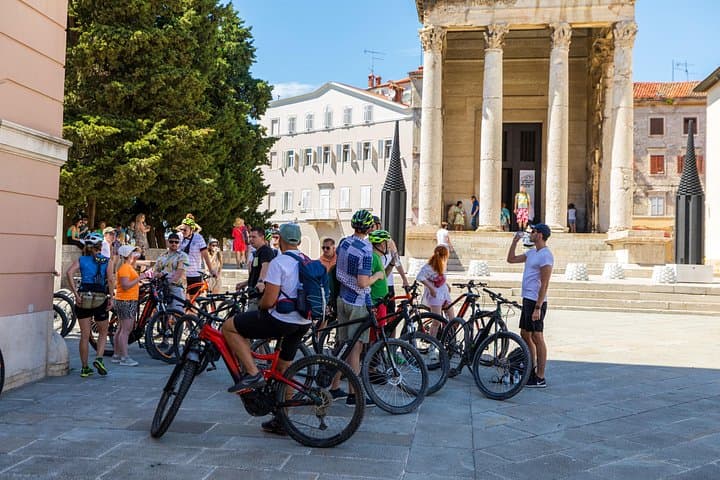
The ride peels away from coastal scrub and low cliffs, arriving within an hour at the Pula Arena — a Roman amphitheatre that still holds its ground after two millennia. Riding past tiled roofs and narrow streets, you'll climb to Kastel fortress for a panoramic sweep of terracotta and sea; the wind seems to pull the city’s stories into view. The Sergii Arch waits like a carved punctuation mark, a stone memory of Rome’s reach and the Sergii family's place in local lore.
Geology here is limestone and dolomite—karst forms that drop to limestone coves along the coast—so expect short, stony patches where traction matters. Culturally, Pula carries Venetian and Austro-Hungarian overlays on top of Roman foundations; cafés, seafood stands, and market stalls all sit atop centuries of trade routes.
Practical guidance: the tour runs about 2.5 hours and covers city streets and short coastal stretches—moderate fitness and confident bike handling are required. Helmets and a bottle of water are included or provided, but bring sunscreen and sturdy shoes; narrow lanes and occasional cobbles reward cautious throttle control. Aim for morning or late afternoon to avoid mid-day heat and busier streets. Keep a charged phone, a small lock, and a light layer for sea breezes.
This is urban exploration with outdoor momentum: quick climbs, wide views, and hands-on history under a Croatian sky.
moderate.
2–3 hours.
Moderate cardiovascular fitness and basic cycling experience; comfortable with short urban climbs and mixed pavement.
The tour is about 2.5 hours (approximately 150 minutes) and covers several kilometers between Verudela and Pula city center on mostly paved roads with some short, uneven sections.
Moderate bike handling skills are recommended; riders should be comfortable in light urban traffic and on cobbles. Guides adjust pace for the group.
Helmets and bottled water are included; bringing a refillable bottle and preferred helmet is recommended for comfort and fit.
The operator cancels or reschedules tours for bad weather; full refunds are typically available if canceled more than 24 hours before departure.
Pula’s core dates to Roman rule; the Arena was built between 27 BC and AD 68 and remains one of the best-preserved Roman amphitheatres in the world.
Stick to marked roads and paths; limestone karst around the coast is fragile and trampling vegetation accelerates erosion. Support local businesses to keep tours sustainable.
MDSegway operates guided outdoor trips and adventures with an emphasis on safety, stewardship, and memorable experiences.
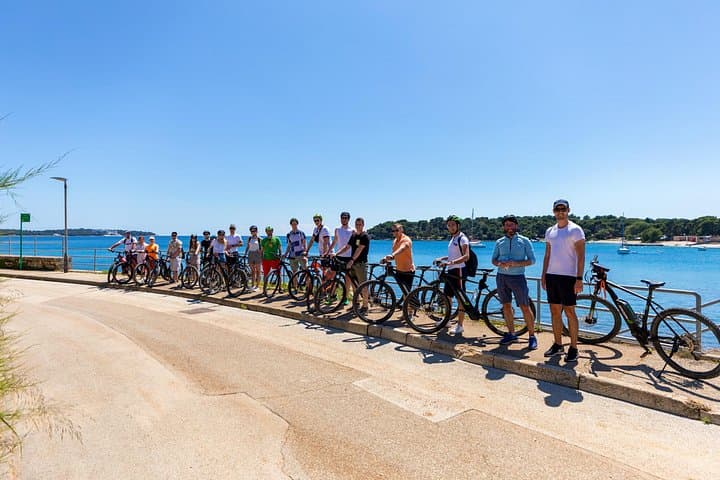
You begin on the sun-warmed promenade of Verudela, the Adriatic pressing silver against the hulls and the breeze pushing you gently forward as your e-bike hums to life.
You begin on the sun-warmed promenade of Verudela, the Adriatic pressing silver against the hulls and the breeze pushing you gently forward as your e-bike hums to life.
The ride peels away from coastal scrub and low cliffs, arriving within an hour at the Pula Arena — a Roman amphitheatre that still holds its ground after two millennia. Riding past tiled roofs and narrow streets, you'll climb to Kastel fortress for a panoramic sweep of terracotta and sea; the wind seems to pull the city’s stories into view. The Sergii Arch waits like a carved punctuation mark, a stone memory of Rome’s reach and the Sergii family's place in local lore.
Geology here is limestone and dolomite—karst forms that drop to limestone coves along the coast—so expect short, stony patches where traction matters. Culturally, Pula carries Venetian and Austro-Hungarian overlays on top of Roman foundations; cafés, seafood stands, and market stalls all sit atop centuries of trade routes.
Practical guidance: the tour runs about 2.5 hours and covers city streets and short coastal stretches—moderate fitness and confident bike handling are required. Helmets and a bottle of water are included or provided, but bring sunscreen and sturdy shoes; narrow lanes and occasional cobbles reward cautious throttle control. Aim for morning or late afternoon to avoid mid-day heat and busier streets. Keep a charged phone, a small lock, and a light layer for sea breezes.
This is urban exploration with outdoor momentum: quick climbs, wide views, and hands-on history under a Croatian sky.