THE ADVENTURE COLLECTIVE® · Independent discovery and booking for outdoor travel

Walk among ancient kauri and endemic subtropical species on a guided small-group tour through Puketi Forest. Day and night options offer close wildlife encounters and insights into conservation on New Zealand’s Northland.
Walk among ancient kauri and endemic subtropical species on a guided small-group tour through Puketi Forest. Day and night options offer close wildlife encounters and insights into conservation on New Zealand’s Northland.
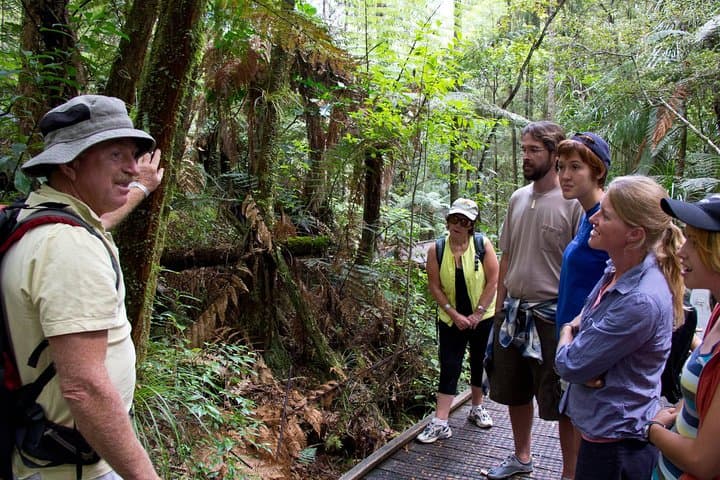
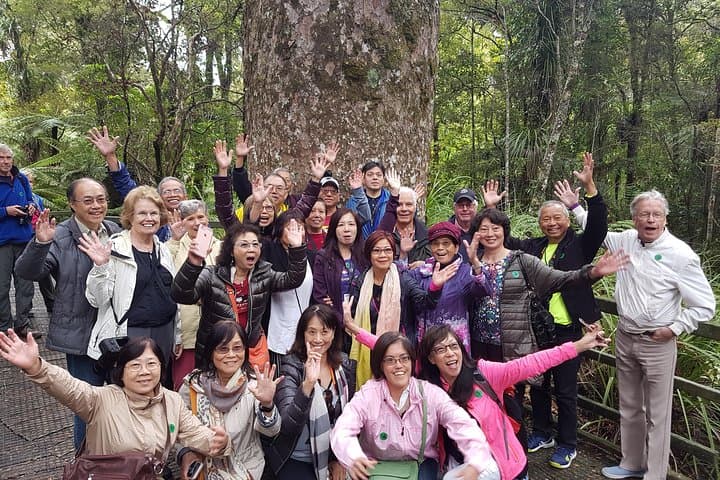
Fog threads through the understory as your guide leads a small group onto a moss-soft track—sunlight sifts through nikau fronds and the trunks of kauri trees rise like columns that have been standing since the earth warmed after the last ice age. The walk moves at a deliberate pace; conversation drops to a hush when the route opens onto two of New Zealand’s largest kauri, their buttressed bases spreading wide as if to hold the forest together.
Verified experiences and guided adventures in the surrounding area.
Operated by Adventure Puketi · Okaihau, Northland
Fog threads through the understory as your guide leads a small group onto a moss-soft track—sunlight sifts through nikau fronds and the trunks of kauri trees rise like columns that have been standing since the earth warmed after the last ice age. The walk moves at a deliberate pace; conversation drops to a hush when the route opens onto two of New Zealand’s largest kauri, their buttressed bases spreading wide as if to hold the forest together.
Puketi is part of Northland’s ancient subtropical zone, where geology of soft sedimentary rises and volcanic soils allows a dense, species-rich canopy. Māori have long histories here—stories tied to forest resources and place names—while European settlers left tracks of logging and later conservation. Today the forest is a frontline for kauri protection and predator control work designed to revive local bird populations.
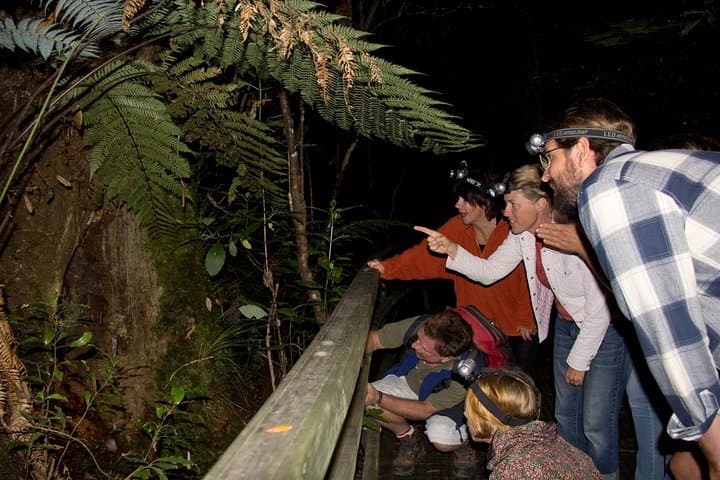
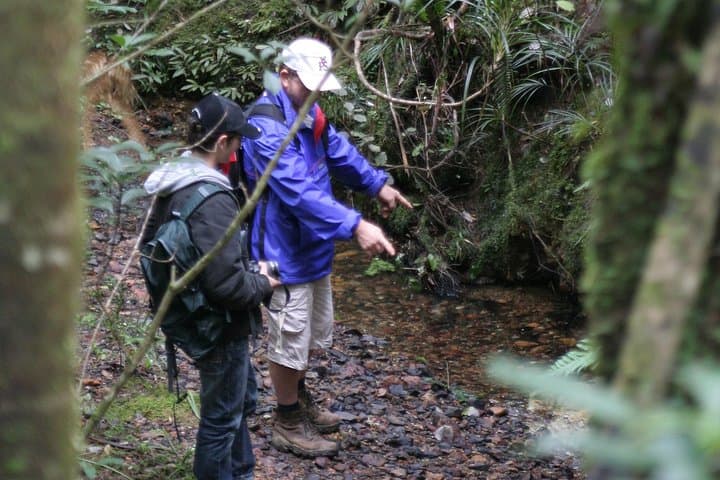
Expect interpretive stops on plant ecology, endemic birdlife and the region’s recovery from past logging. Night walks reveal a different cast: mōhua of insects, bats darting overhead and the hush that accompanies a possible kiwi call. Trails vary from easy boardwalks to steeper forest paths; half-day options focus on low-to-moderate climbs, full-day routes push fitter walkers through longer ridgelines.
Practically: bring layered rain gear, sturdy walking shoes, a filled water bottle and footwear cleaned for kauri-disease protection. Tours are small-group and guide-led—ideal for photographers, naturalists and anyone wanting a close, responsible encounter with one of Aotearoa’s rarest forests.
moderate.
3–4 hours (half-day); up to 6–8 hours (full-day).
Moderate fitness for half-day; good endurance for full-day routes with steeper sections
Half-day walks are typically 6–8 km with modest elevation; full-day routes can reach 10–12 km with longer climbs—guides will tailor pace to the group.
Yes—minimum age is 5 years, but consider the fitness and trail conditions before booking with young children.
Night walks increase your chances of hearing or seeing nocturnal species like kiwi and bats, but sightings aren't guaranteed—listen closely and follow the guide's quiet protocols.
The departure point is 476 Puketi Road, Okaihau—about 20 minutes from Kerikeri and 40 minutes from the Bay of Islands; private transport is typical.
The forest sustained Māori communities for centuries and later faced extensive 19th-century kauri logging; Puketi is now part of restoration and cultural recovery efforts.
Visitors must follow boot-cleaning protocols to prevent kauri dieback; local groups run predator control and restoration projects—participation and donations help long-term recovery.
Adventure Puketi operates guided outdoor trips and adventures with an emphasis on safety, stewardship, and memorable experiences.
Fog threads through the understory as your guide leads a small group onto a moss-soft track—sunlight sifts through nikau fronds and the trunks of kauri trees rise like columns that have been standing since the earth warmed after the last ice age. The walk moves at a deliberate pace; conversation drops to a hush when the route opens onto two of New Zealand’s largest kauri, their buttressed bases spreading wide as if to hold the forest together.
Fog threads through the understory as your guide leads a small group onto a moss-soft track—sunlight sifts through nikau fronds and the trunks of kauri trees rise like columns that have been standing since the earth warmed after the last ice age. The walk moves at a deliberate pace; conversation drops to a hush when the route opens onto two of New Zealand’s largest kauri, their buttressed bases spreading wide as if to hold the forest together.
Puketi is part of Northland’s ancient subtropical zone, where geology of soft sedimentary rises and volcanic soils allows a dense, species-rich canopy. Māori have long histories here—stories tied to forest resources and place names—while European settlers left tracks of logging and later conservation. Today the forest is a frontline for kauri protection and predator control work designed to revive local bird populations.
Expect interpretive stops on plant ecology, endemic birdlife and the region’s recovery from past logging. Night walks reveal a different cast: mōhua of insects, bats darting overhead and the hush that accompanies a possible kiwi call. Trails vary from easy boardwalks to steeper forest paths; half-day options focus on low-to-moderate climbs, full-day routes push fitter walkers through longer ridgelines.
Practically: bring layered rain gear, sturdy walking shoes, a filled water bottle and footwear cleaned for kauri-disease protection. Tours are small-group and guide-led—ideal for photographers, naturalists and anyone wanting a close, responsible encounter with one of Aotearoa’s rarest forests.