THE ADVENTURE COLLECTIVE® · Independent discovery and booking for outdoor travel

Escape Dar es Salaam for a private full-day hike in Pugu Hills: coastal woodland birding, a cave with a bat colony, a climb to Msolo Peak, and a Swahili lunch. This straightforward day trip blends moderate trails, endemic wildlife, and local insight.
Escape Dar es Salaam for a private full-day hike in Pugu Hills: coastal woodland birding, a cave with a bat colony, a climb to Msolo Peak, and a Swahili lunch. This straightforward day trip blends moderate trails, endemic wildlife, and local insight.
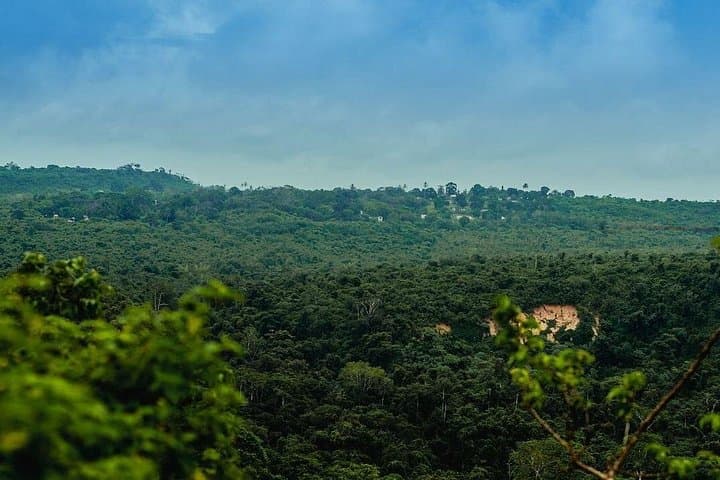
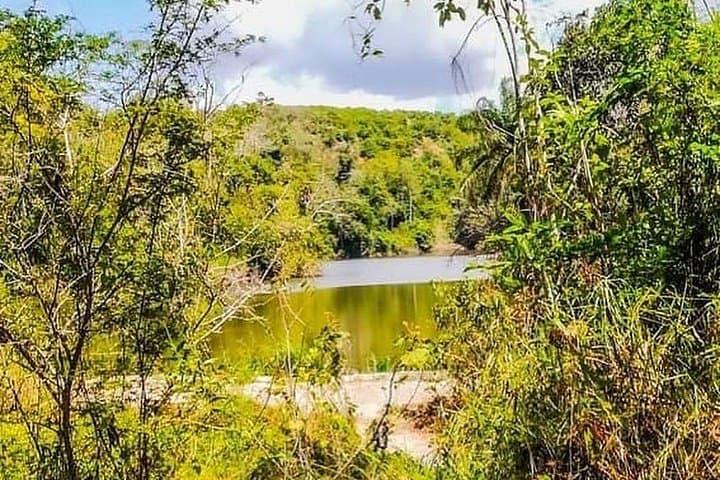
The morning sun cuts through a thin mist as you leave Dar es Salaam behind and climb toward Pugu Hills. The road narrows, the air cools, and the evergreen canopy presses close — leaves flick like a crowd of small hands as the guide points up to a flash of color. You move along forest tracks, boots finding roots and packed soil, while birds argue overhead and the land opens to a broad viewpoint over a quiet lake.
Verified experiences and guided adventures in the surrounding area.
Operated by Enroute Africa · Dar es Salaam, Dar es Salaam Region
The morning sun cuts through a thin mist as you leave Dar es Salaam behind and climb toward Pugu Hills. The road narrows, the air cools, and the evergreen canopy presses close — leaves flick like a crowd of small hands as the guide points up to a flash of color. You move along forest tracks, boots finding roots and packed soil, while birds argue overhead and the land opens to a broad viewpoint over a quiet lake.
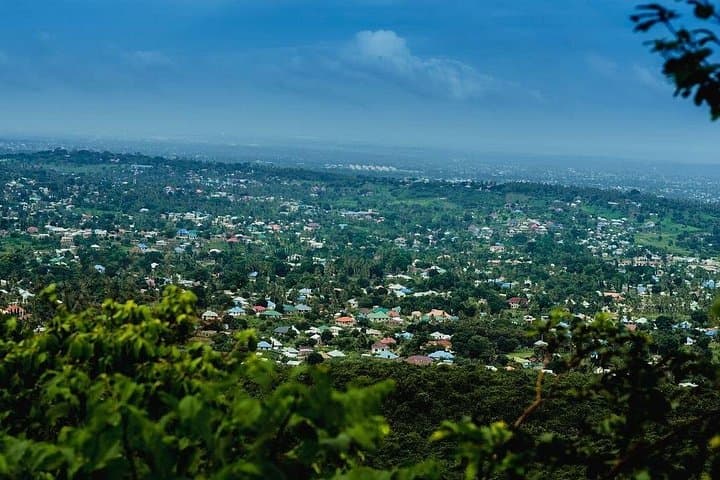
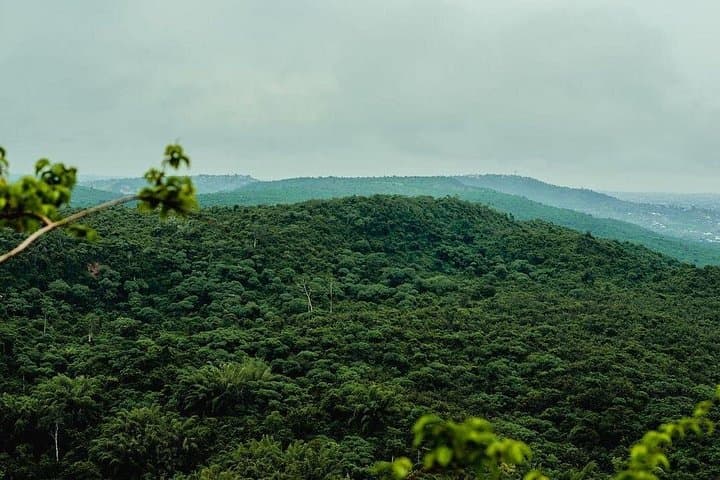
Pugu Hills is one of East Africa’s older coastal woodlands, a relic of ancient geology where weathered basement rocks lift pockets of evergreen forest above the surrounding plains. The reserve holds over 80 recorded bird species, plus endemic plants and a complex history of local Swahili settlement and small-scale quarrying that shaped its trails and caves. A nearby limestone cave houses a bat colony that hums at dusk; Msolo Peak rewards steady climbing with wide views of Dar es Salaam and the Indian Ocean on clear days.
On a full-day private tour you'll combine guided birding, moderate ridge hikes with several hundred meters of cumulative ascent, a visit to the cave, and a Swahili lunch — sometimes followed by a short canoeing stretch on a calm inlet. Expect mixed terrain: compact dirt, roots, and occasional rocky steps.
Practical guide: start early to avoid midday heat, bring binoculars and lightweight rain protection in the rainy months, and wear grippy trail shoes. A local guide speeds bird identification, points out medicinal plants and cultural sites, and keeps the day efficient so you return to the city by evening.
moderate.
6–8 hours.
Suitable for people with regular activity levels; expect several hundred meters of cumulative ascent and several kilometers of walking over uneven terrain.
The hike is moderate: uneven trails and some sustained uphill sections with several hundred meters of cumulative elevation gain; no technical climbing required.
Many guided day tours include entry/admission; confirm with your operator but expect a modest reserve fee if not covered.
Early morning and late afternoon are best for bird activity; the dry season (roughly June–September) offers clearer skies and easier trail conditions.
The cave is accessible with a guide and is usually safe during the day; bring a headlamp and follow guidance to avoid disturbing the bat colony.
Pugu’s woodland occupies ancient crystalline rocks and sustained local communities that used forest resources and quarry sites for decades; the reserve preserves both ecological and cultural traces of that history.
The reserve faces pressure from urban expansion and illegal quarrying; guided visits that follow established trails and local rules help minimize impact and support conservation through park fees and local employment.
Enroute Africa operates guided outdoor trips and adventures with an emphasis on safety, stewardship, and memorable experiences.
The morning sun cuts through a thin mist as you leave Dar es Salaam behind and climb toward Pugu Hills. The road narrows, the air cools, and the evergreen canopy presses close — leaves flick like a crowd of small hands as the guide points up to a flash of color. You move along forest tracks, boots finding roots and packed soil, while birds argue overhead and the land opens to a broad viewpoint over a quiet lake.
The morning sun cuts through a thin mist as you leave Dar es Salaam behind and climb toward Pugu Hills. The road narrows, the air cools, and the evergreen canopy presses close — leaves flick like a crowd of small hands as the guide points up to a flash of color. You move along forest tracks, boots finding roots and packed soil, while birds argue overhead and the land opens to a broad viewpoint over a quiet lake.
Pugu Hills is one of East Africa’s older coastal woodlands, a relic of ancient geology where weathered basement rocks lift pockets of evergreen forest above the surrounding plains. The reserve holds over 80 recorded bird species, plus endemic plants and a complex history of local Swahili settlement and small-scale quarrying that shaped its trails and caves. A nearby limestone cave houses a bat colony that hums at dusk; Msolo Peak rewards steady climbing with wide views of Dar es Salaam and the Indian Ocean on clear days.
On a full-day private tour you'll combine guided birding, moderate ridge hikes with several hundred meters of cumulative ascent, a visit to the cave, and a Swahili lunch — sometimes followed by a short canoeing stretch on a calm inlet. Expect mixed terrain: compact dirt, roots, and occasional rocky steps.
Practical guide: start early to avoid midday heat, bring binoculars and lightweight rain protection in the rainy months, and wear grippy trail shoes. A local guide speeds bird identification, points out medicinal plants and cultural sites, and keeps the day efficient so you return to the city by evening.