THE ADVENTURE COLLECTIVE® · Independent discovery and booking for outdoor travel

A five-hour shore excursion from Seyðisfjörður that pairs up-close Atlantic puffin viewing on Hafnarhólmi with a visit to the charming village of Bakkagerði and the misted Gufufoss waterfall. Ideal for travelers who want wildlife, local culture, and an easy coastal hike in one trip.
A five-hour shore excursion from Seyðisfjörður that pairs up-close Atlantic puffin viewing on Hafnarhólmi with a visit to the charming village of Bakkagerði and the misted Gufufoss waterfall. Ideal for travelers who want wildlife, local culture, and an easy coastal hike in one trip.
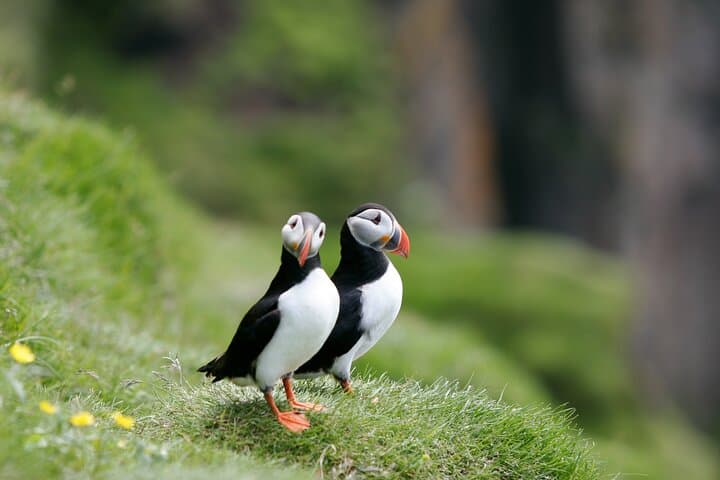
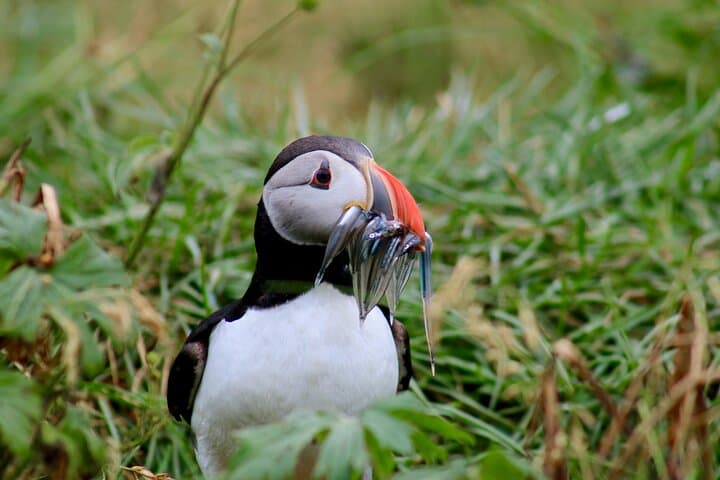
The bus eases out of Seyðisfjörður and the coastline opens like a page—black rocks, sudden green slopes and the Atlantic air pushing forward, salty and sharp. Within an hour you’re in Borgarfjörður-Eystri; waves nudge the harbour and Hafnarhólmi’s cliff faces bristle with white-and-black bodies—Atlantic puffins bobbing and calling, committed to nests carved in the turf.
Verified experiences and guided adventures in the surrounding area.
Operated by BusTravel Iceland · Bakkagerði, Eastern Region (Austurland)
The bus eases out of Seyðisfjörður and the coastline opens like a page—black rocks, sudden green slopes and the Atlantic air pushing forward, salty and sharp. Within an hour you’re in Borgarfjörður-Eystri; waves nudge the harbour and Hafnarhólmi’s cliff faces bristle with white-and-black bodies—Atlantic puffins bobbing and calling, committed to nests carved in the turf.
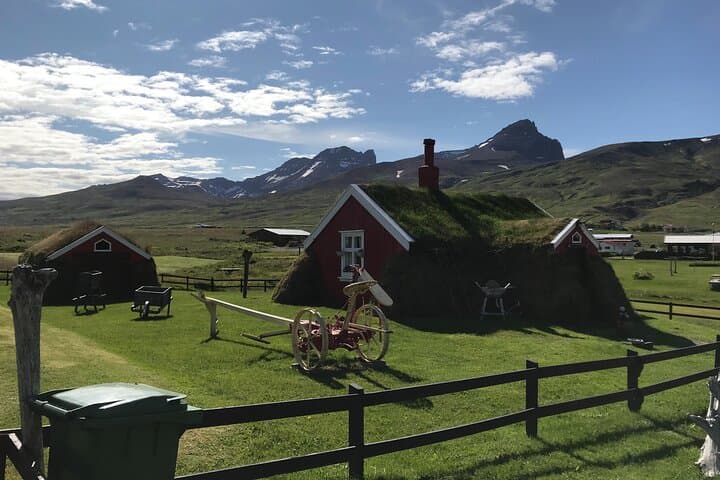
This compact eastern corner of Iceland is geological storytelling: volcanic basalt cliffs cleave the sea, glacial deposits shape the fjord, and the hand-built turf houses such as Lindarbakki show how locals turned scarce timber and earth into insulated homes through the 19th and early 20th centuries. Folklore lives here too—Alfaborg (Elf Rock) perches over the village, a viewpoint long tied to Icelandic tales.
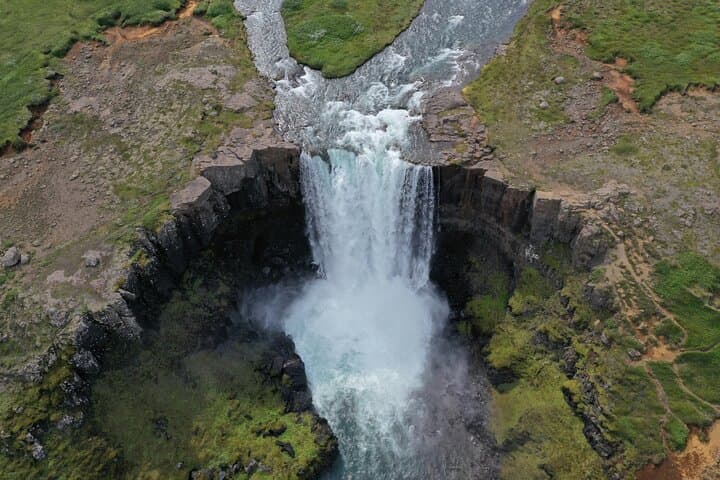
Gufufoss arrives quietly; a curtain of water sliding down rugged stone and throwing a fine steam into the air. It’s modest compared with southern giants, but its mood—intimate, wind-scoured—feels truer to the region’s scale.
Practical guidance: tours run about five hours including driving; much of the wildlife viewing is from short, easy shoreline walks and accessible viewpoints. Bring a windproof, waterproof layer, binoculars, and sensible shoes for uneven ground. Keep at least several meters from nesting colonies, move slowly, and avoid sudden noises to prevent flushing birds. Best viewing is late spring–summer when puffins are nesting; mornings and late afternoons offer softer light for photography. The tour suits most fitness levels and is an efficient way to combine birdlife, local culture and a short hike into a single shore excursion.
easy.
5 hours.
Suitable for most fitness levels; expects short, easy walks and standing at viewpoints.
The tour is approximately five hours total and includes round-trip transportation from Seyðisfjörður in an air-conditioned vehicle.
Puffins nest in Borgarfjörður-Eystri from late spring through summer (roughly May–August), with peak viewing in June and July.
Access around Hafnarhólmi is generally easy with short, mostly flat shoreline paths; some uneven ground is expected so sensible shoes are recommended.
Yes—stay on paths, avoid entering marked nesting areas, don’t feed wildlife, and follow guide instructions to minimize disturbance.
Borgarfjörður-Eystri’s villages grew around fishing and small-scale farming; turf houses like Lindarbakki illustrate how residents insulated homes in harsh climates into the early 20th century.
Respect bird colonies by keeping distance and remaining quiet; local guides and signage help protect nesting sites and fragile coastal vegetation.
BusTravel Iceland operates guided outdoor trips and adventures with an emphasis on safety, stewardship, and memorable experiences.
The bus eases out of Seyðisfjörður and the coastline opens like a page—black rocks, sudden green slopes and the Atlantic air pushing forward, salty and sharp. Within an hour you’re in Borgarfjörður-Eystri; waves nudge the harbour and Hafnarhólmi’s cliff faces bristle with white-and-black bodies—Atlantic puffins bobbing and calling, committed to nests carved in the turf.
The bus eases out of Seyðisfjörður and the coastline opens like a page—black rocks, sudden green slopes and the Atlantic air pushing forward, salty and sharp. Within an hour you’re in Borgarfjörður-Eystri; waves nudge the harbour and Hafnarhólmi’s cliff faces bristle with white-and-black bodies—Atlantic puffins bobbing and calling, committed to nests carved in the turf.
This compact eastern corner of Iceland is geological storytelling: volcanic basalt cliffs cleave the sea, glacial deposits shape the fjord, and the hand-built turf houses such as Lindarbakki show how locals turned scarce timber and earth into insulated homes through the 19th and early 20th centuries. Folklore lives here too—Alfaborg (Elf Rock) perches over the village, a viewpoint long tied to Icelandic tales.
Gufufoss arrives quietly; a curtain of water sliding down rugged stone and throwing a fine steam into the air. It’s modest compared with southern giants, but its mood—intimate, wind-scoured—feels truer to the region’s scale.
Practical guidance: tours run about five hours including driving; much of the wildlife viewing is from short, easy shoreline walks and accessible viewpoints. Bring a windproof, waterproof layer, binoculars, and sensible shoes for uneven ground. Keep at least several meters from nesting colonies, move slowly, and avoid sudden noises to prevent flushing birds. Best viewing is late spring–summer when puffins are nesting; mornings and late afternoons offer softer light for photography. The tour suits most fitness levels and is an efficient way to combine birdlife, local culture and a short hike into a single shore excursion.