THE ADVENTURE COLLECTIVE® · Independent discovery and booking for outdoor travel

Get chocolate under your nails and a bar to take home in this hands-on bean-to-bar workshop near Puerto Viejo. Learn fermentation, roasting and tempering while tasting fresh cacao fruit and supporting local farmers.
Get chocolate under your nails and a bar to take home in this hands-on bean-to-bar workshop near Puerto Viejo. Learn fermentation, roasting and tempering while tasting fresh cacao fruit and supporting local farmers.
The air in coastal Puerto Viejo hangs warm and heavy with green, a humid press that sharpens the scent of fresh cacao as soon as you step onto the farm.
Verified experiences and guided adventures in the surrounding area.
Operated by Talamanca Chocolate · Puerto Viejo de Talamanca, Limón
The air in coastal Puerto Viejo hangs warm and heavy with green, a humid press that sharpens the scent of fresh cacao as soon as you step onto the farm.
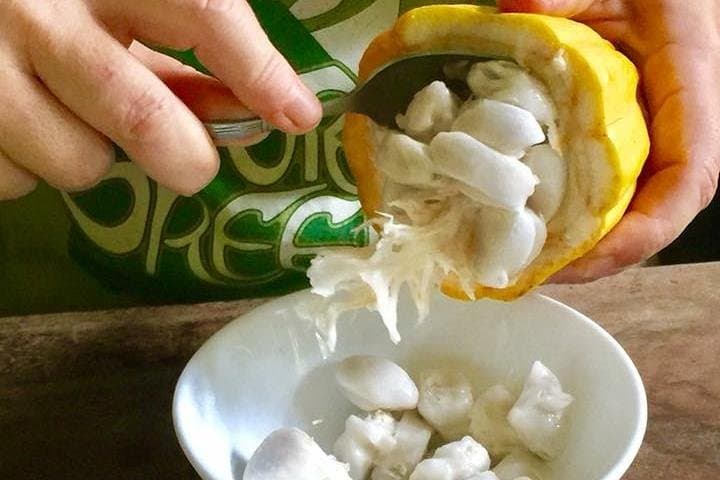
You begin under a low canopy where cacao trees trade shade with banana palms; the guide splits a ripe pod and the pale pulp gleams like a small, sweet sunrise. That immediate, tactile moment—tearing open pods, rolling nibs between your fingers—frames the class: a hands-on movement from fruit to finished bar, not a demonstration from behind a glass.
Cacao here is both history and crop. Valued by Mesoamerican cultures as food, medicine and currency, the tree’s journey to modern chocolate passes through fermentation pits and careful roasting over open heat. Geologically, Puerto Viejo sits on Caribbean lowlands where deep, well-drained soils and steady rainfall feed high-quality cacao varieties; local farms combine Indigenous and Afro-Caribbean cultivation knowledge.
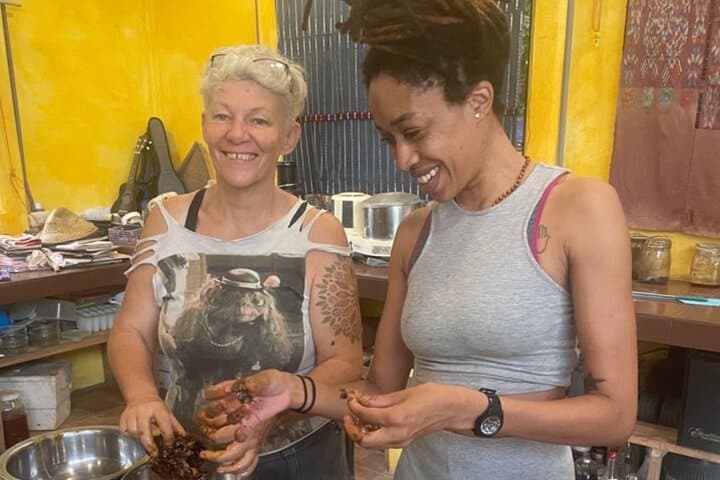
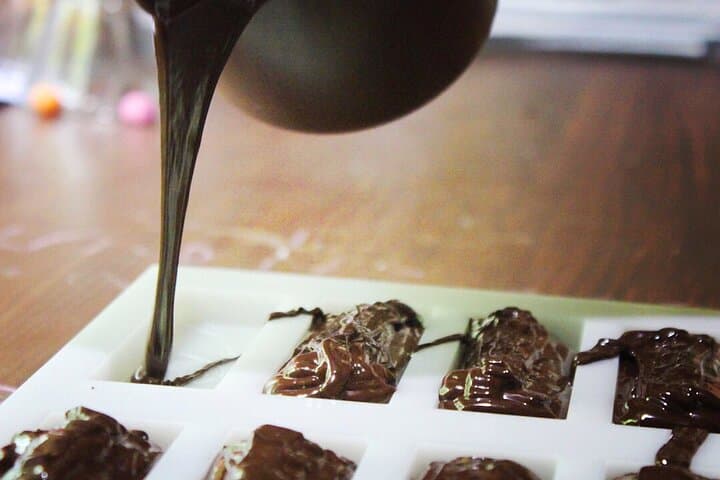
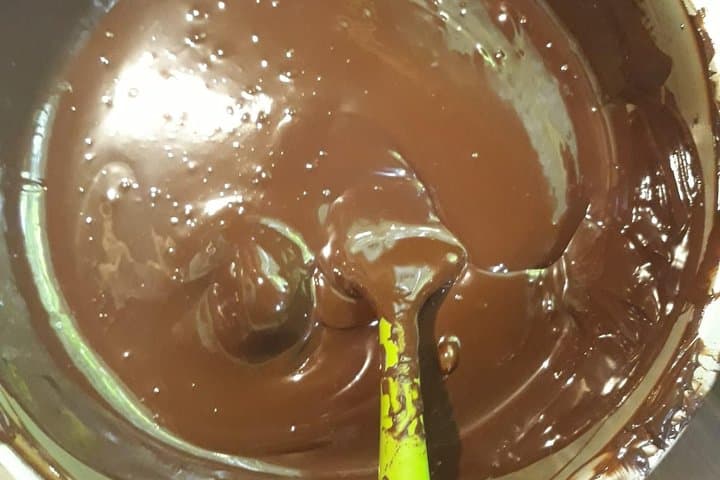
The workshop covers fermentation, drying, roasting, winnowing and tempering; you’ll crush beans, make a medicinal cacao tea, and pour your own tempered bar to wrap and take home. Expect hands-on work (and chocolate on your hands), close-up explanations, and a tasting of fresh pulp when in season.
Practical tips: wear closed-toe shoes and clothes you don’t mind staining, bring a reusable water bottle and sun protection for brief walks, and allow 2–3 hours. Groups are small and family-friendly; infants sit on laps. Book ahead—classes fill during high season—and plan to support local producers by buying a bar or two before you leave.
easy.
2–3 hours.
Low; suitable for most people who can stand and walk short farm paths
Yes—families are welcome; infants must sit on an adult’s lap and activities are hands-on but supervised.
Often—when pods are in season you’ll try fresh pulp, plus roasted nibs and finished chocolate.
Accessibility varies by farm; contact the operator in advance to confirm on-site access and accommodations.
Inform the operator when booking; the class includes cacao products and may offer tea and snacks, so they can advise or accommodate.
Cacao has been cultivated in Costa Rica for centuries; Indigenous groups such as the Bribri historically used cacao for ceremonial and medicinal purposes, a tradition visible in local farming methods.
Many small producers here practice shade-grown cacao to preserve canopy habitat and soil health; support responsible farms that prioritize minimal chemical inputs and fair labor practices.
Talamanca Chocolate operates guided outdoor trips and adventures with an emphasis on safety, stewardship, and memorable experiences.
The air in coastal Puerto Viejo hangs warm and heavy with green, a humid press that sharpens the scent of fresh cacao as soon as you step onto the farm.
The air in coastal Puerto Viejo hangs warm and heavy with green, a humid press that sharpens the scent of fresh cacao as soon as you step onto the farm.
You begin under a low canopy where cacao trees trade shade with banana palms; the guide splits a ripe pod and the pale pulp gleams like a small, sweet sunrise. That immediate, tactile moment—tearing open pods, rolling nibs between your fingers—frames the class: a hands-on movement from fruit to finished bar, not a demonstration from behind a glass.
Cacao here is both history and crop. Valued by Mesoamerican cultures as food, medicine and currency, the tree’s journey to modern chocolate passes through fermentation pits and careful roasting over open heat. Geologically, Puerto Viejo sits on Caribbean lowlands where deep, well-drained soils and steady rainfall feed high-quality cacao varieties; local farms combine Indigenous and Afro-Caribbean cultivation knowledge.
The workshop covers fermentation, drying, roasting, winnowing and tempering; you’ll crush beans, make a medicinal cacao tea, and pour your own tempered bar to wrap and take home. Expect hands-on work (and chocolate on your hands), close-up explanations, and a tasting of fresh pulp when in season.
Practical tips: wear closed-toe shoes and clothes you don’t mind staining, bring a reusable water bottle and sun protection for brief walks, and allow 2–3 hours. Groups are small and family-friendly; infants sit on laps. Book ahead—classes fill during high season—and plan to support local producers by buying a bar or two before you leave.