THE ADVENTURE COLLECTIVE® · Independent discovery and booking for outdoor travel

Two hours on Banderas Bay brings you close to migrating humpbacks that arrive each winter to breed and calve. This guided whale-watching trip from Puerto Vallarta emphasizes safe viewing, local knowledge, and practical preparation for offshore conditions.
Two hours on Banderas Bay brings you close to migrating humpbacks that arrive each winter to breed and calve. This guided whale-watching trip from Puerto Vallarta emphasizes safe viewing, local knowledge, and practical preparation for offshore conditions.
A low swell rocks the skiff as the shoreline slips away—the bay opens and the air sharpens with salt and the distant slaps of a tail. On a two-hour whale-watching tour from Puerto Vallarta, the ocean stops being a view and becomes a presence: spouts rise like signals, and the slow, powerful backs of humpbacks roll through Banderas Bay.
Verified experiences and guided adventures in the surrounding area.
Operated by shark´s tours · Puerto Vallarta, Jalisco
A low swell rocks the skiff as the shoreline slips away—the bay opens and the air sharpens with salt and the distant slaps of a tail. On a two-hour whale-watching tour from Puerto Vallarta, the ocean stops being a view and becomes a presence: spouts rise like signals, and the slow, powerful backs of humpbacks roll through Banderas Bay.
Humpback whales migrate here from December through March to breed and calve, a behavior local fishermen have observed for generations. The bay’s geology—deep troughs carved by tectonic shifts and volcanic activity—creates warm, protected waters ideal for mother whales and calves. Culturally, Puerto Vallarta evolved from a fishing village into a coastal gateway; boat operators now balance tourism with longstanding local practices.
Expect guided outings that prioritize safe distancing and lifejackets are provided. Typical routes move several kilometers offshore where whales feed and nurse; encounters can include breaches, tail slaps, and escorting dolphins. Weather and sea state shape the trip—calm mornings increase sighting odds; rougher seas can limit viewing.
Practical guidance: arrive with layered sun protection, binoculars, and a camera with a zoom lens. Hydrate beforehand—boats have limited shade—and plan for seasickness if you’re prone. Moderately paced walking and short boat transfers are required, but no technical skills are needed. Operators usually follow marine mammal guidelines to reduce disturbance, so be prepared for patient observation rather than close interaction.
This trip offers a concentrated encounter with one of the ocean’s most social giants—intense, regulated, and anchored in the rhythms of the bay.
easy.
2 hours.
Suitable for most fitness levels; requires boarding a small boat and standing for short observation periods
No—sightings are very likely during peak season (December–March) but cannot be guaranteed; operators will attempt the best viewing conditions.
Yes—lifejackets are provided and infants must sit on laps; check operator age or weight restrictions when booking.
Most tours travel several kilometers offshore into deeper parts of Banderas Bay where humpbacks concentrate; exact distance varies by sighting reports and sea conditions.
Layered clothing, a brimmed hat, polarized sunglasses, and non-slip shoes; bring a waterproof cover if you want to stay dry from spray.
Puerto Vallarta evolved from a 19th-century fishing settlement into a major coastal hub; local fishing knowledge informs modern whale-tour routes and safety practices.
Operators follow distance regulations and seasonal protections to minimize disturbance; supporting certified guides helps fund local monitoring and responsible tourism.
shark´s tours operates guided outdoor trips and adventures with an emphasis on safety, stewardship, and memorable experiences.
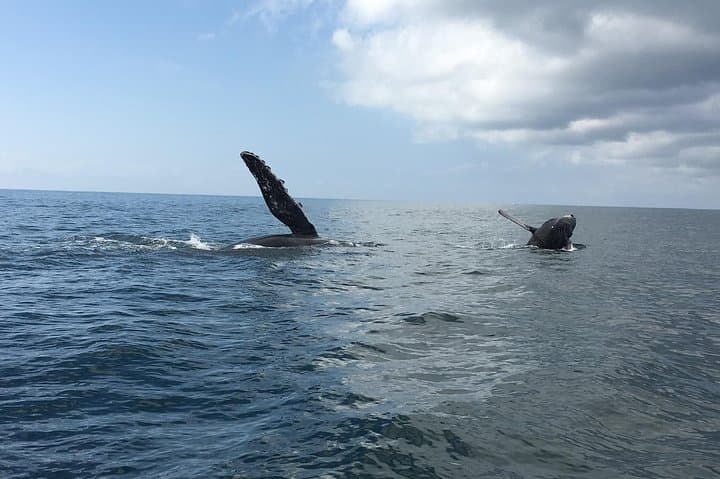
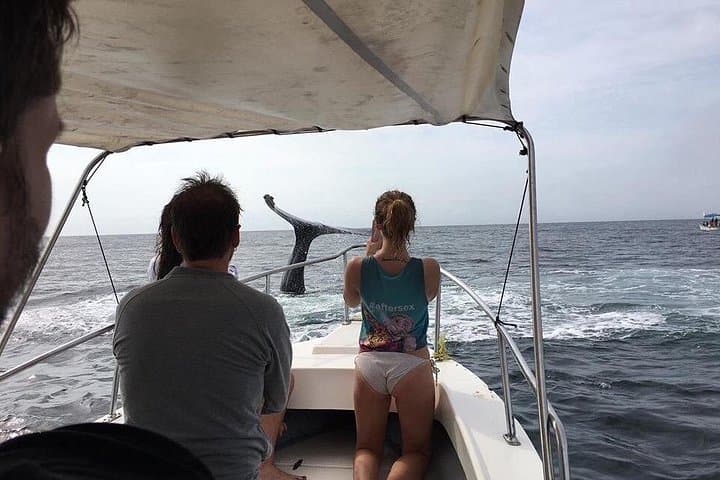
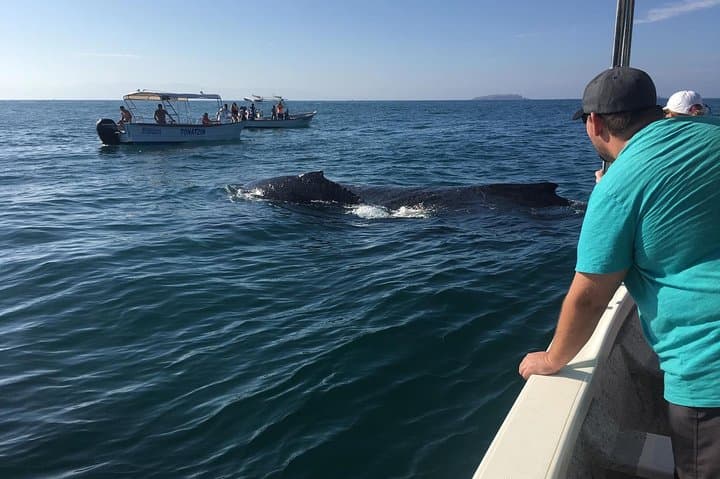
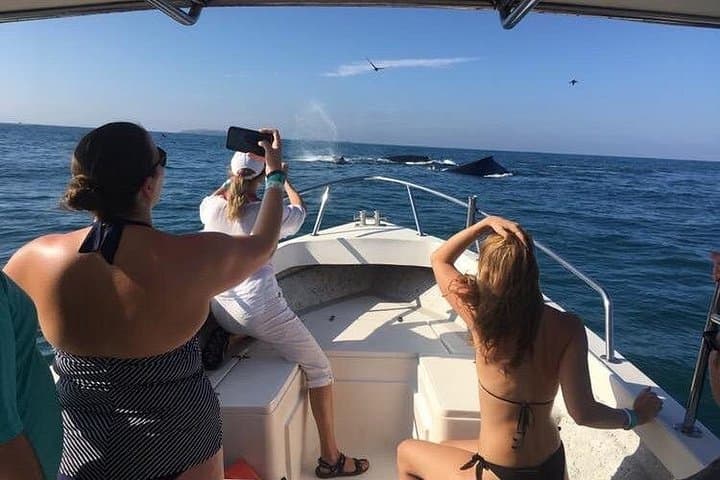
A low swell rocks the skiff as the shoreline slips away—the bay opens and the air sharpens with salt and the distant slaps of a tail. On a two-hour whale-watching tour from Puerto Vallarta, the ocean stops being a view and becomes a presence: spouts rise like signals, and the slow, powerful backs of humpbacks roll through Banderas Bay.
A low swell rocks the skiff as the shoreline slips away—the bay opens and the air sharpens with salt and the distant slaps of a tail. On a two-hour whale-watching tour from Puerto Vallarta, the ocean stops being a view and becomes a presence: spouts rise like signals, and the slow, powerful backs of humpbacks roll through Banderas Bay.
Humpback whales migrate here from December through March to breed and calve, a behavior local fishermen have observed for generations. The bay’s geology—deep troughs carved by tectonic shifts and volcanic activity—creates warm, protected waters ideal for mother whales and calves. Culturally, Puerto Vallarta evolved from a fishing village into a coastal gateway; boat operators now balance tourism with longstanding local practices.
Expect guided outings that prioritize safe distancing and lifejackets are provided. Typical routes move several kilometers offshore where whales feed and nurse; encounters can include breaches, tail slaps, and escorting dolphins. Weather and sea state shape the trip—calm mornings increase sighting odds; rougher seas can limit viewing.
Practical guidance: arrive with layered sun protection, binoculars, and a camera with a zoom lens. Hydrate beforehand—boats have limited shade—and plan for seasickness if you’re prone. Moderately paced walking and short boat transfers are required, but no technical skills are needed. Operators usually follow marine mammal guidelines to reduce disturbance, so be prepared for patient observation rather than close interaction.
This trip offers a concentrated encounter with one of the ocean’s most social giants—intense, regulated, and anchored in the rhythms of the bay.