THE ADVENTURE COLLECTIVE® · Independent discovery and booking for outdoor travel

Board a licensed vessel from Los Peines Pier for a four-hour, federally authorized whale-watching trip in Banderas Bay. Expect close, respectful viewing of humpbacks, bilingual naturalist interpretation, hydrophone listening, and light refreshments.
Board a licensed vessel from Los Peines Pier for a four-hour, federally authorized whale-watching trip in Banderas Bay. Expect close, respectful viewing of humpbacks, bilingual naturalist interpretation, hydrophone listening, and light refreshments.
You push off from Los Peines Pier and the city’s sounds recede until the bay takes over—salted wind, the boat’s low thrum, and an occasional blow rippling the surface like a held breath.
Verified experiences and guided adventures in the surrounding area.
Operated by Vallarta Whales · Puerto Vallarta, Jalisco
You push off from Los Peines Pier and the city’s sounds recede until the bay takes over—salted wind, the boat’s low thrum, and an occasional blow rippling the surface like a held breath.
Banderas Bay is a seasonal nursery for North Pacific humpbacks; between late fall and early spring thousands migrate here to breed, calve and rest in warmer waters. Geologically the bay is broad and deep, carved by tectonic activity and fed by coastal currents that concentrate nutrients and the small fish humpbacks chase.
Local guides are often bilingual naturalists who explain migration timing, call types, and the federal permitting that limits boats to sanctioned viewing methods. The region’s fishing heritage and modern tourism coexist—marinas and small seaside towns supply crews, boats, and the infrastructure that keeps encounters responsible.
Expect a four-hour trip aboard a mid-sized vessel with shade, cushioned seating, and restroom facilities. Guides carry hydrophones so you can hear whale vocalizations through the water; life vests and light snacks are provided. Encounters usually consist of surface behaviors—breaches, flukes, and mother-calf pairs—while guides maintain regulated distances to reduce disturbance.
Practical tips: bring layered sun protection and motion-sickness remedies, arrive early for security checks at the federal pier, and time trips for calmer mornings. Photographers should use a mid-telephoto lens and steady hands; binoculars make tracking easier.
A controlled, interpretive trip here is less about chasing dramatic footage and more about watching a powerful life cycle unfold—the whales calling, the water answering, you in the middle of it.
easy.
4 hours.
No special fitness required beyond boarding and standing for viewing; suitable for most adults and older children.
Peak season runs roughly December through March when humpbacks migrate to breed and calve in the bay’s warmer waters.
Federal regulations and licensed operators maintain safe viewing distances; guides maneuver to observe behavior without causing disturbance.
Yes—the vessel used for this experience includes restroom facilities and shaded seating for comfort during the four-hour trip.
Yes—guides use a hydrophone so passengers can listen to whale and dolphin vocalizations transmitted through the boat’s sound system.
Banderas Bay’s human history ranges from pre-Columbian coastal settlements to a 20th-century fishing economy; tourism grew as boat access and marinas expanded.
Federal permitting limits the number of licensed vessels and enforces viewing distances to reduce stress on whales; choose operators who follow local regulations to support sustainable encounters.
Vallarta Whales operates guided outdoor trips and adventures with an emphasis on safety, stewardship, and memorable experiences.
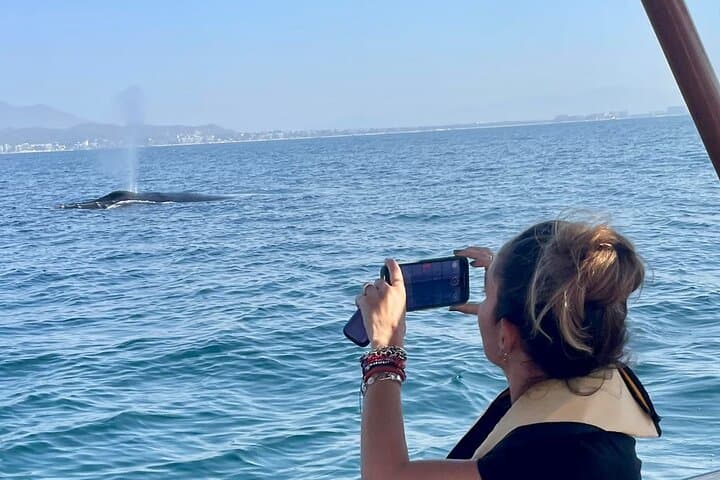
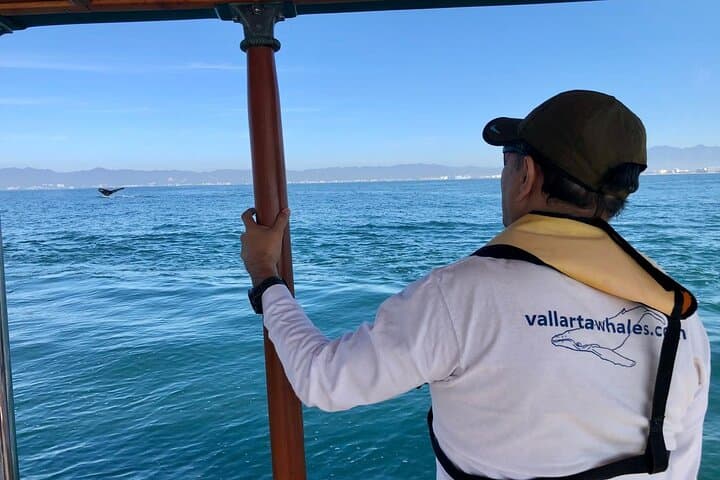
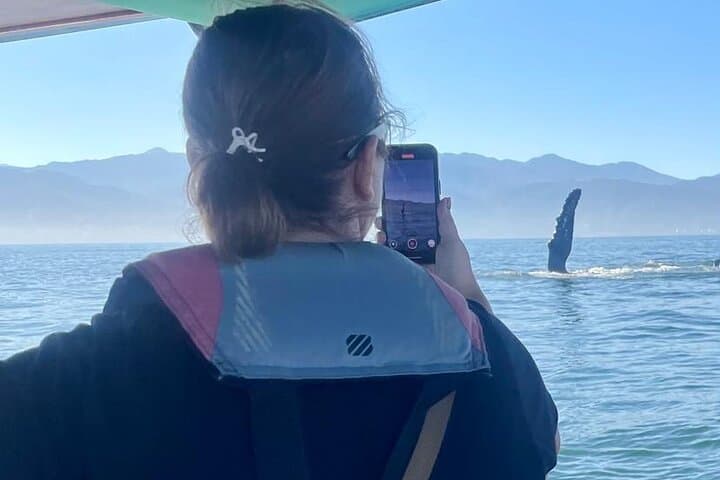
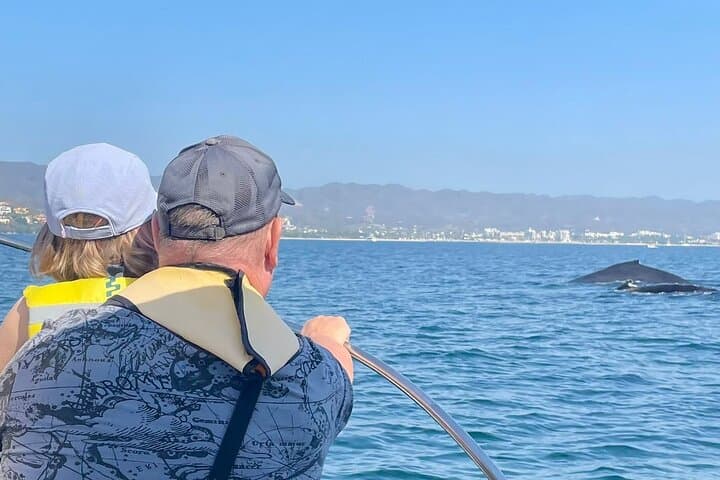
You push off from Los Peines Pier and the city’s sounds recede until the bay takes over—salted wind, the boat’s low thrum, and an occasional blow rippling the surface like a held breath.
You push off from Los Peines Pier and the city’s sounds recede until the bay takes over—salted wind, the boat’s low thrum, and an occasional blow rippling the surface like a held breath.
Banderas Bay is a seasonal nursery for North Pacific humpbacks; between late fall and early spring thousands migrate here to breed, calve and rest in warmer waters. Geologically the bay is broad and deep, carved by tectonic activity and fed by coastal currents that concentrate nutrients and the small fish humpbacks chase.
Local guides are often bilingual naturalists who explain migration timing, call types, and the federal permitting that limits boats to sanctioned viewing methods. The region’s fishing heritage and modern tourism coexist—marinas and small seaside towns supply crews, boats, and the infrastructure that keeps encounters responsible.
Expect a four-hour trip aboard a mid-sized vessel with shade, cushioned seating, and restroom facilities. Guides carry hydrophones so you can hear whale vocalizations through the water; life vests and light snacks are provided. Encounters usually consist of surface behaviors—breaches, flukes, and mother-calf pairs—while guides maintain regulated distances to reduce disturbance.
Practical tips: bring layered sun protection and motion-sickness remedies, arrive early for security checks at the federal pier, and time trips for calmer mornings. Photographers should use a mid-telephoto lens and steady hands; binoculars make tracking easier.
A controlled, interpretive trip here is less about chasing dramatic footage and more about watching a powerful life cycle unfold—the whales calling, the water answering, you in the middle of it.