THE ADVENTURE COLLECTIVE® · Independent discovery and booking for outdoor travel

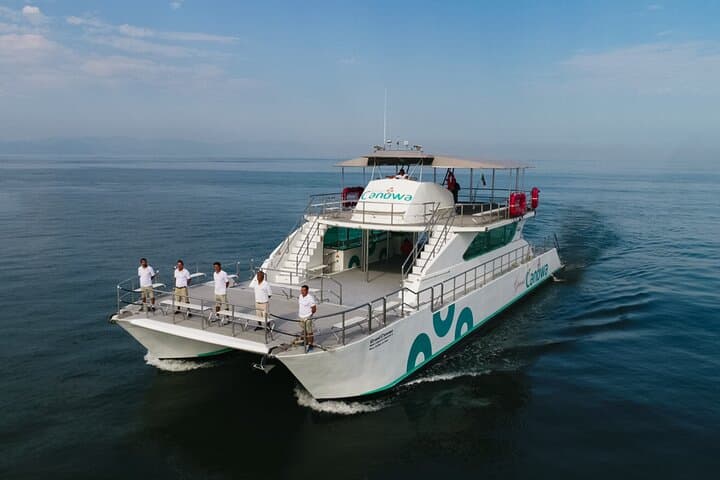
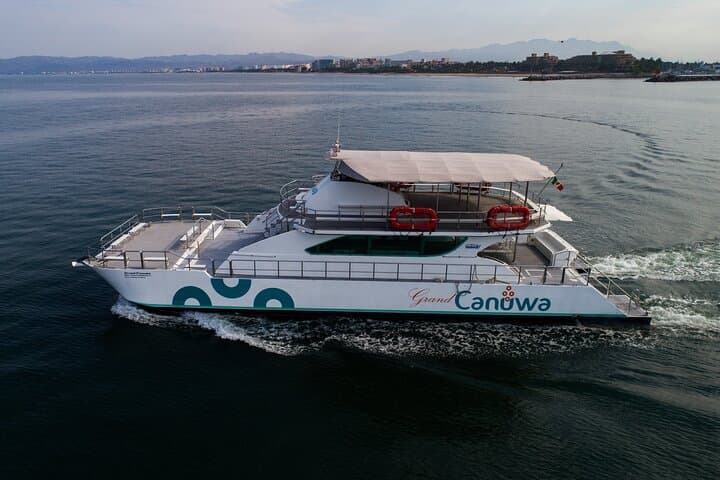
Board a comfortable vessel in Puerto Vallarta and head into Bahía de Banderas for a 4-hour whale-watching tour that targets winter humpback activity. Expect informative bilingual guides, refreshments, and a sighting guarantee during peak season.
Board a comfortable vessel in Puerto Vallarta and head into Bahía de Banderas for a 4-hour whale-watching tour that targets winter humpback activity. Expect informative bilingual guides, refreshments, and a sighting guarantee during peak season.
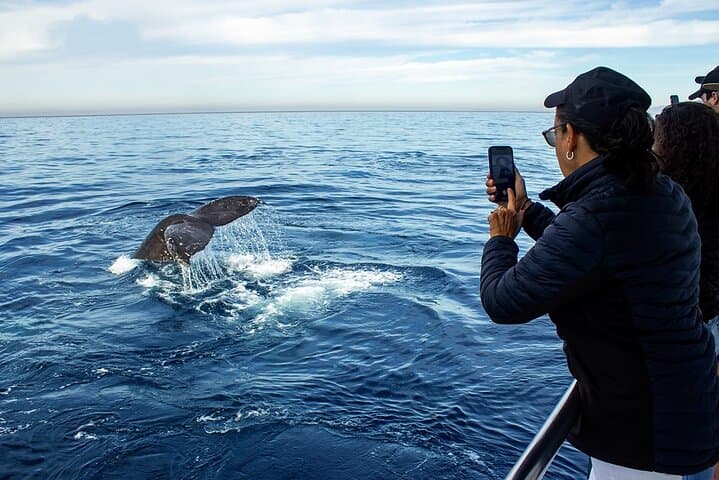
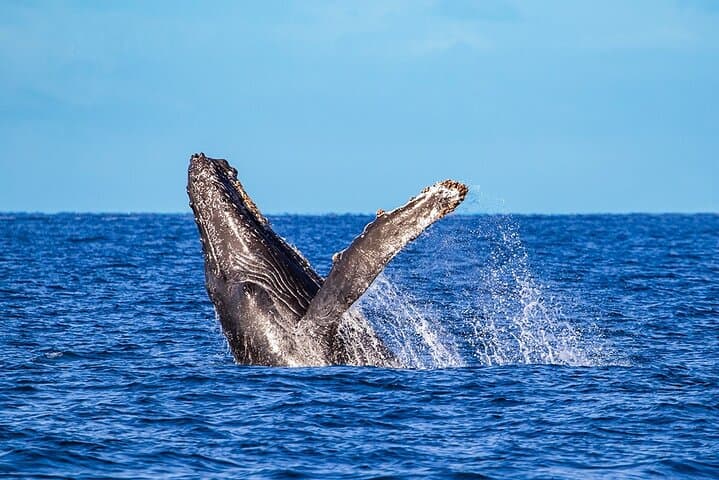
A low winter sun slices across Bahía de Banderas as the boat eases away from the marina and the ocean suddenly feels larger, its swells daring you to lean forward. Within an hour the shoreline shrinks to a strip of palms and the surface begins to punctuate — breath, a tail, a shoulder rolling out of the water — the deliberate punctuation of humpback whales at play.
Verified experiences and guided adventures in the surrounding area.
Operated by Gray Line Puerto Vallarta · Puerto Vallarta, Jalisco
A low winter sun slices across Bahía de Banderas as the boat eases away from the marina and the ocean suddenly feels larger, its swells daring you to lean forward. Within an hour the shoreline shrinks to a strip of palms and the surface begins to punctuate — breath, a tail, a shoulder rolling out of the water — the deliberate punctuation of humpback whales at play.
Every winter these animals migrate into the warm, sheltered waters of Bahía de Banderas to mate, calve and nurse young. The bay’s shape and depth, carved by regional tectonics and coastal processes and buffered by the Sierra Madre foothills, provide calmer seas than the open Pacific and a rich food web that supports a remarkable diversity of marine life. Puerto Vallarta’s maritime culture has shifted from fishing and shipping to guided ecotourism; local operators follow strict viewing practices to protect mothers and calves while giving visitors an intimate, respectful encounter.
Expect a roughly four-hour outing on a specially outfitted vessel with bilingual guides, drinks and snacks; some operators include a national open bar. Sightings peak December–March, and reputable tours often offer a sighting guarantee.
Practical tips: arrive 30 minutes early for check-in, bring sun protection and motion-sickness remedies, and plan for variable sea conditions. Respect guide instructions on distance and noise; responsible viewing minimizes stress on whales and ensures these giants keep returning. This is a straightforward, high-reward marine adventure where timing, simple preparation and patience make the experience memorable.
easy.
4 hours.
Suitable for most fitness levels; you should be able to stand and move on a moving boat for several hours.
Peak season is December through March, when humpbacks migrate into Bahía de Banderas to mate and calve.
Most tours include a 4-hour boat trip, bilingual guides, snacks, and national open bar; check your operator for exact inclusions.
Many operators offer a sighting guarantee allowing a complimentary repeat tour if no whales are observed; confirm terms at booking.
Yes—tours are suitable for a wide range of ages, but they are not recommended for pregnant travelers or people with serious back or heart conditions.
Bahía de Banderas has been a seasonal marine corridor for whales for centuries; local communities historically relied on the bay for fishing before tourism shifted the local economy.
Operators follow Mexican regulations on vessel distance and behavior; choose operators that practice responsible viewing to reduce disturbance to mothers and calves.
Gray Line Puerto Vallarta operates guided outdoor trips and adventures with an emphasis on safety, stewardship, and memorable experiences.
A low winter sun slices across Bahía de Banderas as the boat eases away from the marina and the ocean suddenly feels larger, its swells daring you to lean forward. Within an hour the shoreline shrinks to a strip of palms and the surface begins to punctuate — breath, a tail, a shoulder rolling out of the water — the deliberate punctuation of humpback whales at play.
A low winter sun slices across Bahía de Banderas as the boat eases away from the marina and the ocean suddenly feels larger, its swells daring you to lean forward. Within an hour the shoreline shrinks to a strip of palms and the surface begins to punctuate — breath, a tail, a shoulder rolling out of the water — the deliberate punctuation of humpback whales at play.
Every winter these animals migrate into the warm, sheltered waters of Bahía de Banderas to mate, calve and nurse young. The bay’s shape and depth, carved by regional tectonics and coastal processes and buffered by the Sierra Madre foothills, provide calmer seas than the open Pacific and a rich food web that supports a remarkable diversity of marine life. Puerto Vallarta’s maritime culture has shifted from fishing and shipping to guided ecotourism; local operators follow strict viewing practices to protect mothers and calves while giving visitors an intimate, respectful encounter.
Expect a roughly four-hour outing on a specially outfitted vessel with bilingual guides, drinks and snacks; some operators include a national open bar. Sightings peak December–March, and reputable tours often offer a sighting guarantee.
Practical tips: arrive 30 minutes early for check-in, bring sun protection and motion-sickness remedies, and plan for variable sea conditions. Respect guide instructions on distance and noise; responsible viewing minimizes stress on whales and ensures these giants keep returning. This is a straightforward, high-reward marine adventure where timing, simple preparation and patience make the experience memorable.