THE ADVENTURE COLLECTIVE® · Independent discovery and booking for outdoor travel

Set out from Puerto Vallarta’s marina for a four-hour search of humpback whales in Banderas Bay. Guided by a marine biologist with a hydrophone on board, this tour combines close viewing with conservation-minded practices.
Set out from Puerto Vallarta’s marina for a four-hour search of humpback whales in Banderas Bay. Guided by a marine biologist with a hydrophone on board, this tour combines close viewing with conservation-minded practices.
The boat slips from the marina and the city’s noise thins to a hum; ocean air takes over and the bay opens wide, glassy or wind-scoured depending on the day. On this four-hour outing from Puerto Vallarta, passengers scan the surface for blows and tail rolls while a marine biologist narrates behavior and migration notes through the swell. A hydrophone brings the whales’ low, rolling songs into the cabin, turning distant presence into an audible, physical thing.
Verified experiences and guided adventures in the surrounding area.
Operated by Get Routa · Puerto Vallarta, Jalisco
The boat slips from the marina and the city’s noise thins to a hum; ocean air takes over and the bay opens wide, glassy or wind-scoured depending on the day. On this four-hour outing from Puerto Vallarta, passengers scan the surface for blows and tail rolls while a marine biologist narrates behavior and migration notes through the swell. A hydrophone brings the whales’ low, rolling songs into the cabin, turning distant presence into an audible, physical thing.
Banderas Bay is a deep Pacific inlet shaped by tectonic uplift and river-fed sediment; its warm winter waters host migrating humpbacks that leave northern feeding grounds to breed and calve. Local crews follow strict distance regulations born from decades of community science and conservation efforts, balancing close viewing with minimal disturbance. Along the shoreline, fishing villages and the Marina offer cultural context—seafood kitchens, artisanal shops, and longstanding boating traditions that link residents to the whales’ seasonal visits.
Practicalities matter: the tour lasts about four hours, so expect offshore conditions and bring layered clothing, sun protection, and motion-sickness prevention if you’re sensitive. Photography is rewarding but respect the biologist’s instructions—approach angles and speeds are chosen to protect animals and keep everyone safe. Morning departures often mean calmer seas and softer light; midday trips can be windier but extend viewing windows. For travelers who want a compact, educational marine encounter—complete with expert interpretation and a hydrophone—this is a reliable introduction to Banderas Bay’s winter visitors.
easy.
4 hours.
Suitable for most fitness levels; requires boarding a vessel and standing or walking on deck for short periods.
Humpback whales commonly visit Banderas Bay in the winter months; most tours run during the peak season when migration brings mothers, calves and social groups into the bay.
This excursion is approximately four hours and typically departs from Puerto Vallarta’s marina or a nearby dock in the city’s harbor.
Yes—this tour includes a hydrophone, allowing passengers to listen to underwater vocalizations when whales are nearby and conditions allow.
Many operators allow infants but require them to sit on an adult’s lap; check safety rules and lifejacket availability for very young children before booking.
Banderas Bay has long been a seasonal shelter for migrating whales; local fishing and boating cultures adapted over generations to sharing these waters and now participate in guided conservation efforts.
Operators in Puerto Vallarta follow municipal and federal distance regulations and many work with marine biologists to minimize disturbance; choose tours that emphasize low-impact viewing and education.
Get Routa operates guided outdoor trips and adventures with an emphasis on safety, stewardship, and memorable experiences.
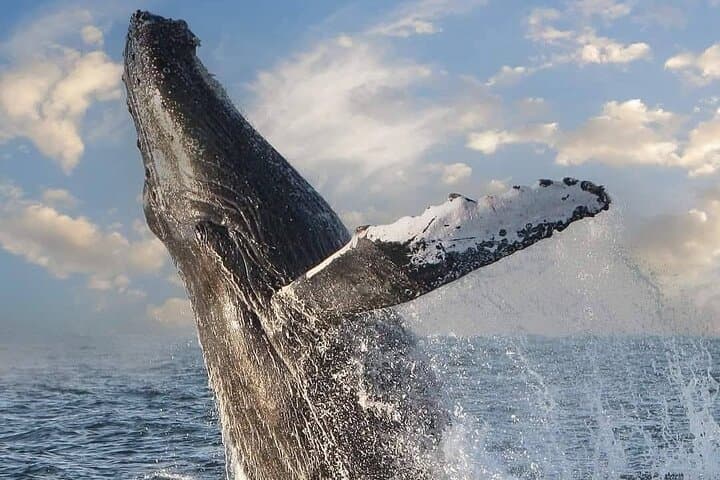
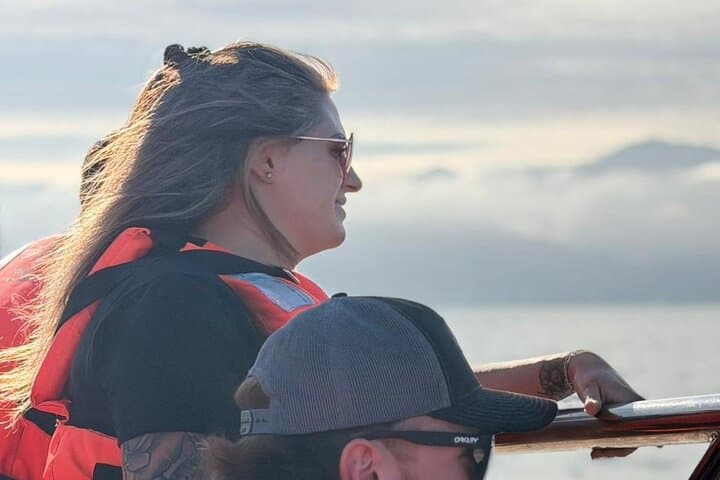
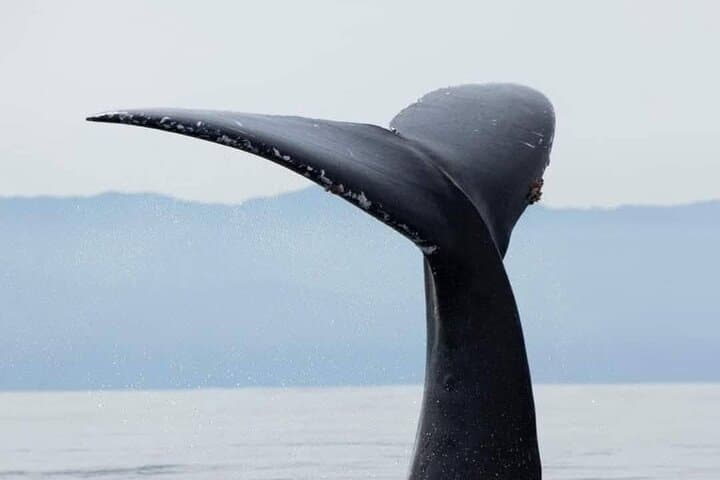
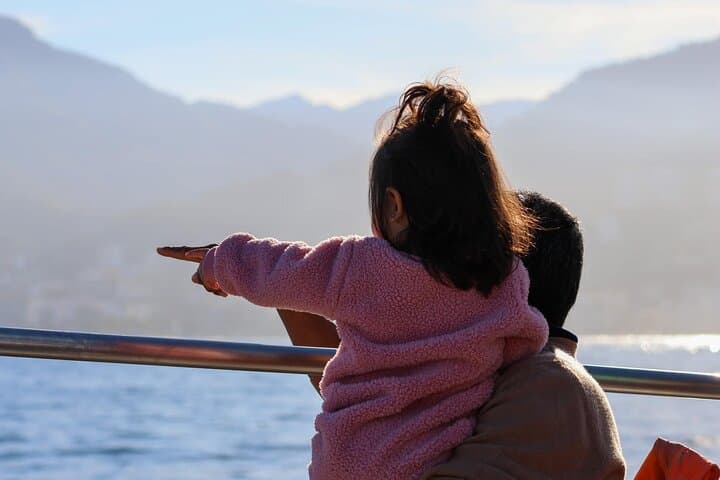
The boat slips from the marina and the city’s noise thins to a hum; ocean air takes over and the bay opens wide, glassy or wind-scoured depending on the day. On this four-hour outing from Puerto Vallarta, passengers scan the surface for blows and tail rolls while a marine biologist narrates behavior and migration notes through the swell. A hydrophone brings the whales’ low, rolling songs into the cabin, turning distant presence into an audible, physical thing.
The boat slips from the marina and the city’s noise thins to a hum; ocean air takes over and the bay opens wide, glassy or wind-scoured depending on the day. On this four-hour outing from Puerto Vallarta, passengers scan the surface for blows and tail rolls while a marine biologist narrates behavior and migration notes through the swell. A hydrophone brings the whales’ low, rolling songs into the cabin, turning distant presence into an audible, physical thing.
Banderas Bay is a deep Pacific inlet shaped by tectonic uplift and river-fed sediment; its warm winter waters host migrating humpbacks that leave northern feeding grounds to breed and calve. Local crews follow strict distance regulations born from decades of community science and conservation efforts, balancing close viewing with minimal disturbance. Along the shoreline, fishing villages and the Marina offer cultural context—seafood kitchens, artisanal shops, and longstanding boating traditions that link residents to the whales’ seasonal visits.
Practicalities matter: the tour lasts about four hours, so expect offshore conditions and bring layered clothing, sun protection, and motion-sickness prevention if you’re sensitive. Photography is rewarding but respect the biologist’s instructions—approach angles and speeds are chosen to protect animals and keep everyone safe. Morning departures often mean calmer seas and softer light; midday trips can be windier but extend viewing windows. For travelers who want a compact, educational marine encounter—complete with expert interpretation and a hydrophone—this is a reliable introduction to Banderas Bay’s winter visitors.