THE ADVENTURE COLLECTIVE® · Independent discovery and booking for outdoor travel

Spend four hours on a fast, small-group boat out of Puerto Vallarta with a certified marine biologist, hydrophone listening, and an emphasis on low-impact viewing. This eco-conscious trip maximizes whale-sighting chances while keeping group size intimate.
Spend four hours on a fast, small-group boat out of Puerto Vallarta with a certified marine biologist, hydrophone listening, and an emphasis on low-impact viewing. This eco-conscious trip maximizes whale-sighting chances while keeping group size intimate.
The boat slips from Muelle de los Peines and the bay opens like a page waiting to be read. Salt-skinned wind tugs at your hat and the Bruna cuts quickly across Banderas Bay, the wake hissing as if the ocean itself encourages you forward. Within minutes you’ll trade the harbor’s bustle for blue horizons where spouts and broad backs puncture the surface.
Verified experiences and guided adventures in the surrounding area.
Operated by AdaSailing · Puerto Vallarta, Jalisco
The boat slips from Muelle de los Peines and the bay opens like a page waiting to be read. Salt-skinned wind tugs at your hat and the Bruna cuts quickly across Banderas Bay, the wake hissing as if the ocean itself encourages you forward. Within minutes you’ll trade the harbor’s bustle for blue horizons where spouts and broad backs puncture the surface.
Banderas Bay has long been a seasonal nursery for humpbacks that migrate from Alaska to mate and calve in these warm waters. The shoreline here is volcanic in origin—ancient lava flows shaped the wide crescent of the bay and the small islands known as Los Arcos, which now shelter fish and attract surface-feeding whales and dolphins. Local fishing communities and modern tourism have shared the coast for generations; bilingual naturalists onboard bridge traditional knowledge and marine science for a clearer picture of local life.
Practically, expect a 4-hour outing with a certified marine biologist, hydrophone demonstrations of whale vocalizations, and light refreshments. The small-group format (max 14) speeds travel time to key sighting areas while keeping disturbance low. Dress in layers, bring sunscreen and binoculars, and consider motion-sickness prevention if you’re prone to seasickness. Operators emphasize eco-friendly practices—reusable cups, minimized waste, and no-chase viewing protocols—so your best role is observant and quiet.
Arrive 20–30 minutes early to check in, keep cameras ready but respectful, and be prepared for sudden, thrilling displays: tails that slap, curious calves surfacing, and songs that ripple through a hydrophone like oceanic conversation.
easy.
4 hours.
Minimal fitness required—ability to board a small boat and stand for periods on deck is sufficient
The tour lasts four hours and departs from Muelle de los Peines in Puerto Vallarta.
Yes—this trip includes a hydrophone so the marine biologist can play live recordings of whale vocalizations when appropriate.
Children can participate (infants must sit on laps); pregnant travelers are advised the operator does not recommend the tour for them due to movement and potential rough water.
Max 14 passengers with a licensed bilingual naturalist/marine biologist providing in-depth interpretation.
Humpbacks have migrated to Banderas Bay for centuries; modern whale watching grew here in the late 20th century alongside the expansion of Puerto Vallarta as a tourist port.
Operators follow a code of conduct to minimize disturbance—maintaining distance, limiting speed near animals, and reducing single-use plastics to protect the bay’s ecology.
AdaSailing operates guided outdoor trips and adventures with an emphasis on safety, stewardship, and memorable experiences.
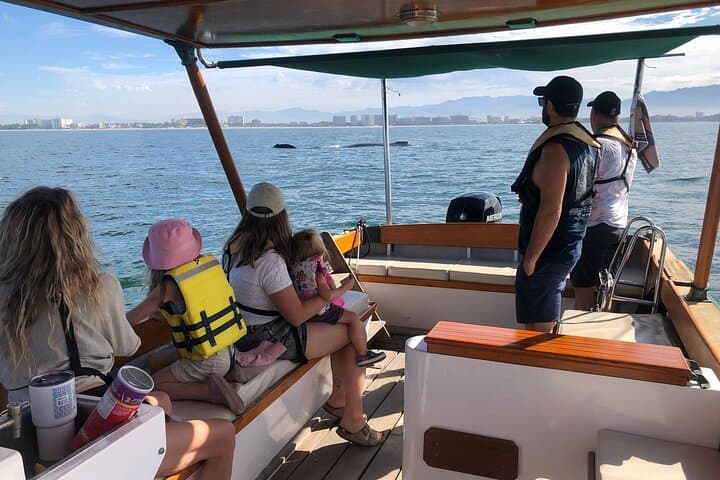
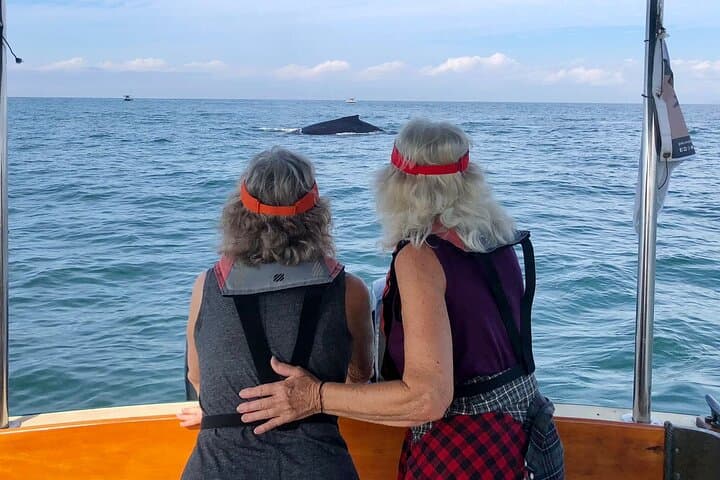
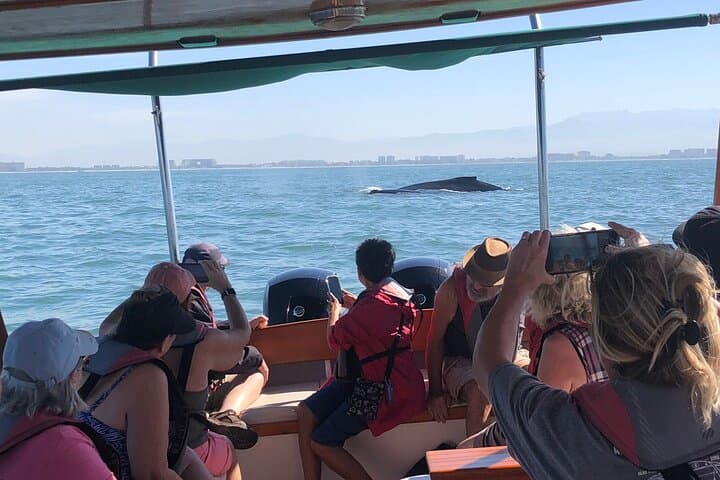
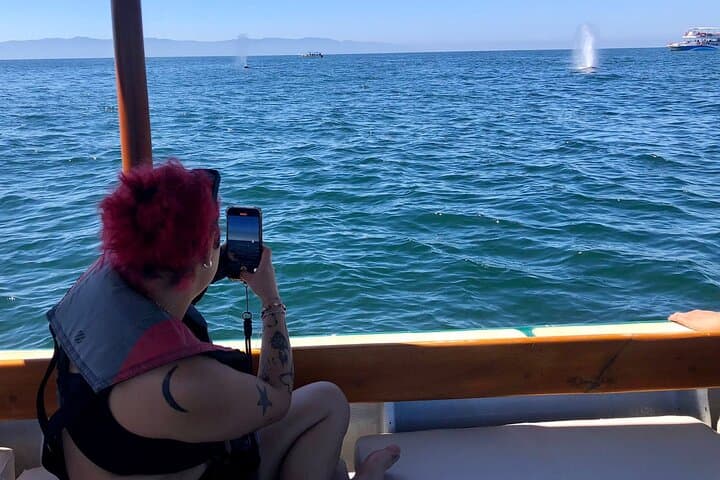
The boat slips from Muelle de los Peines and the bay opens like a page waiting to be read. Salt-skinned wind tugs at your hat and the Bruna cuts quickly across Banderas Bay, the wake hissing as if the ocean itself encourages you forward. Within minutes you’ll trade the harbor’s bustle for blue horizons where spouts and broad backs puncture the surface.
The boat slips from Muelle de los Peines and the bay opens like a page waiting to be read. Salt-skinned wind tugs at your hat and the Bruna cuts quickly across Banderas Bay, the wake hissing as if the ocean itself encourages you forward. Within minutes you’ll trade the harbor’s bustle for blue horizons where spouts and broad backs puncture the surface.
Banderas Bay has long been a seasonal nursery for humpbacks that migrate from Alaska to mate and calve in these warm waters. The shoreline here is volcanic in origin—ancient lava flows shaped the wide crescent of the bay and the small islands known as Los Arcos, which now shelter fish and attract surface-feeding whales and dolphins. Local fishing communities and modern tourism have shared the coast for generations; bilingual naturalists onboard bridge traditional knowledge and marine science for a clearer picture of local life.
Practically, expect a 4-hour outing with a certified marine biologist, hydrophone demonstrations of whale vocalizations, and light refreshments. The small-group format (max 14) speeds travel time to key sighting areas while keeping disturbance low. Dress in layers, bring sunscreen and binoculars, and consider motion-sickness prevention if you’re prone to seasickness. Operators emphasize eco-friendly practices—reusable cups, minimized waste, and no-chase viewing protocols—so your best role is observant and quiet.
Arrive 20–30 minutes early to check in, keep cameras ready but respectful, and be prepared for sudden, thrilling displays: tails that slap, curious calves surfacing, and songs that ripple through a hydrophone like oceanic conversation.