THE ADVENTURE COLLECTIVE® · Independent discovery and booking for outdoor travel

Float into a cavern where a river still carves its way to the sea—this shared Puerto Princesa Underground River day tour delivers close-up geology, wildlife, and local culture in a single seven-hour outing. Know the logistics, pack smart, and you’ll leave with more than photos: a clear sense of how water and stone shape time.
Float into a cavern where a river still carves its way to the sea—this shared Puerto Princesa Underground River day tour delivers close-up geology, wildlife, and local culture in a single seven-hour outing. Know the logistics, pack smart, and you’ll leave with more than photos: a clear sense of how water and stone shape time.
You push off from a low wooden wharf before dawn, the outboard’s soft thrum stirring a mirror of black water. Mangrove roots reach like fingers along the shoreline while limestone cliffs—sheared, pitted, and folded—rise abruptly from the sea. The banca threads between karst towers and, after a short ride, delivers you to a tunnel mouth where a river still chooses its own course through ancient stone.
Verified experiences and guided adventures in the surrounding area.
Operated by Corazon Travel and Tours · Puerto Princesa, Palawan
You push off from a low wooden wharf before dawn, the outboard’s soft thrum stirring a mirror of black water. Mangrove roots reach like fingers along the shoreline while limestone cliffs—sheared, pitted, and folded—rise abruptly from the sea. The banca threads between karst towers and, after a short ride, delivers you to a tunnel mouth where a river still chooses its own course through ancient stone.
The Puerto Princesa Underground River is not merely a cave; it’s a living record. The channel was carved when rising sea levels flooded caverns formed by acidic groundwater dissolving limestone over millions of years. Stalactites hang like improvised chandeliers, and the boat’s headlamp reveals chambers where bats wheel and blind crabs move along the silt. Declared a UNESCO World Heritage site, the river gives a tangible sense of geological time and the slow power of water.
Local culture threads through the tour: Palawan’s communities—many with Tagbanua roots—have fished these coasts for generations and now share stories with guides who read both karst and calendar. Sabang, the port village, feels lived-in rather than staged: wooden houses, squat market stalls, and the scent of coconut oil on morning fish. The park’s protectors balance visitor access with preservation; permits and regulated boat traffic keep the cave’s fragile microclimate from tipping.
Practicalities follow the awe. The shared tour runs about seven hours door-to-door, including pick-up in Puerto Princesa (free within a limited radius). Plan for a short hike and a motorized boat to the cave entrance, then a guided paddleboat through the cave for roughly 45 minutes. This specific option doesn’t include lunch; pack energy-dense snacks or arrange a post-tour meal in Sabang or back in town.
Expect humid, tropical conditions—wide-brim hat, breathable layers, and quick-dry clothing are smart. Footwear should handle wet docks and a short shoreline walk; water shoes or grippy sandals work better than sneakers. Cameras with low-light capability shine inside the cave; otherwise, rely on the audio guide and the rhythm of the river. Mind local rules: keep voices low in the cave, avoid touching formations, and follow your guide’s directions for boat seating and boarding.
Booking is straightforward—instant confirmation, limited group sizes, and included park permits and audio-device rental—but note the tour is final sale and can be canceled for poor weather. With mindful preparation, this shared trip delivers an efficient, deeply elemental encounter with one of the Philippines’ most singular natural phenomena.
moderate.
6–7 hours.
Moderate fitness for short walks, boarding small boats, and standing during the cave paddle; not strenuous but requires stability and balance.
The guided boat passage inside the cave lasts about 45 minutes as part of a roughly seven-hour shared tour including transfers.
No — this specific shared option does not include lunch; bring snacks or plan to eat in Sabang or Puerto Princesa afterward.
Yes — park permits and entry fees are included in the tour price, along with an audio-guide device rental.
Children can join, but infants must sit on an adult’s lap; the operator recommends at least moderate fitness for travelers.
The tour may be canceled for unsafe weather conditions; note that bookings are final sale and canceled trips are handled per supplier policy.
No steep hikes—expect short shoreline walks and stable boarding onto small boats; balance and mobility help but the route is not technically demanding.
The cave system formed in limestone uplifted and eroded over millions of years; the park was designated a UNESCO World Heritage site for its karst ecology and geological significance.
Visitor numbers are managed and permits required to protect the cave’s fragile microclimate; follow no-touch rules and minimize plastic use to reduce impact.
Corazon Travel and Tours operates guided outdoor trips and adventures with an emphasis on safety, stewardship, and memorable experiences.
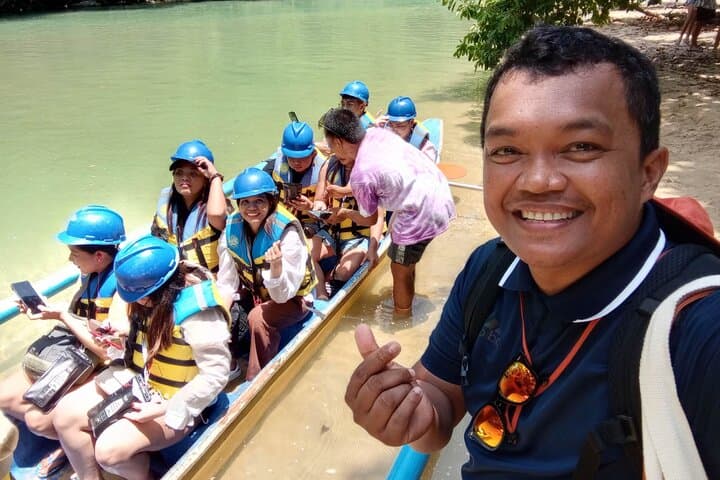
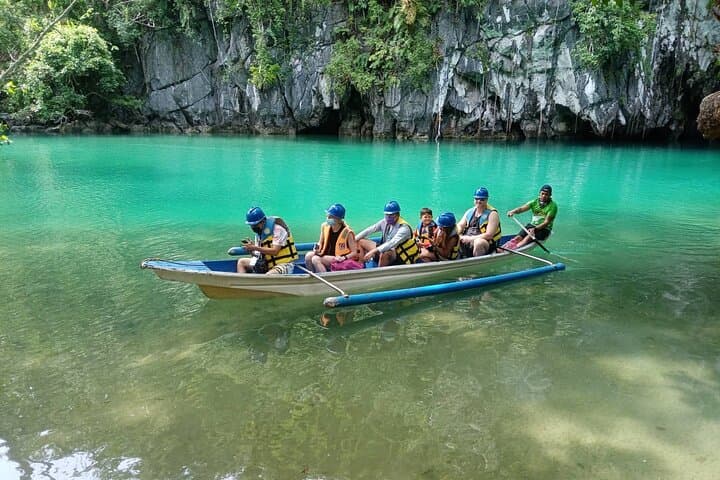
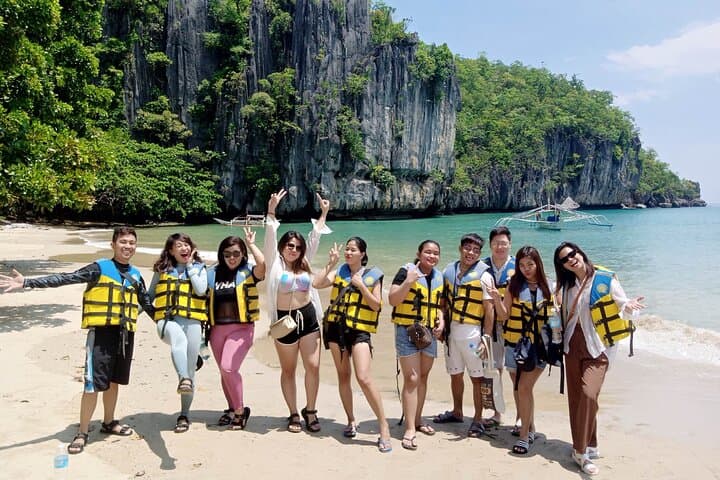
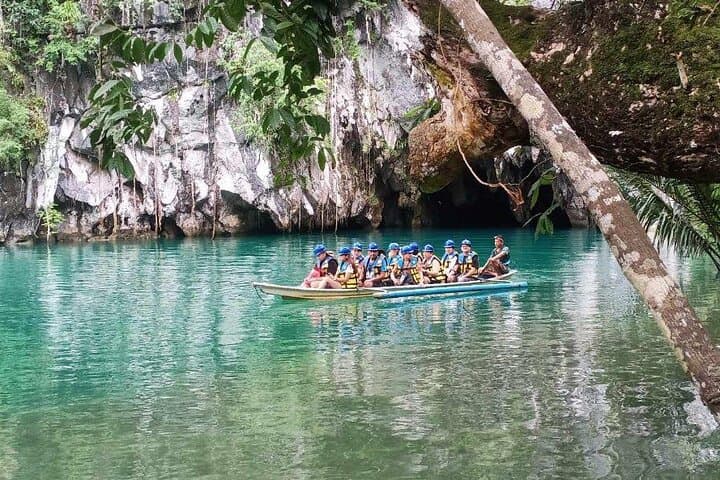
You push off from a low wooden wharf before dawn, the outboard’s soft thrum stirring a mirror of black water. Mangrove roots reach like fingers along the shoreline while limestone cliffs—sheared, pitted, and folded—rise abruptly from the sea. The banca threads between karst towers and, after a short ride, delivers you to a tunnel mouth where a river still chooses its own course through ancient stone.
You push off from a low wooden wharf before dawn, the outboard’s soft thrum stirring a mirror of black water. Mangrove roots reach like fingers along the shoreline while limestone cliffs—sheared, pitted, and folded—rise abruptly from the sea. The banca threads between karst towers and, after a short ride, delivers you to a tunnel mouth where a river still chooses its own course through ancient stone.
The Puerto Princesa Underground River is not merely a cave; it’s a living record. The channel was carved when rising sea levels flooded caverns formed by acidic groundwater dissolving limestone over millions of years. Stalactites hang like improvised chandeliers, and the boat’s headlamp reveals chambers where bats wheel and blind crabs move along the silt. Declared a UNESCO World Heritage site, the river gives a tangible sense of geological time and the slow power of water.
Local culture threads through the tour: Palawan’s communities—many with Tagbanua roots—have fished these coasts for generations and now share stories with guides who read both karst and calendar. Sabang, the port village, feels lived-in rather than staged: wooden houses, squat market stalls, and the scent of coconut oil on morning fish. The park’s protectors balance visitor access with preservation; permits and regulated boat traffic keep the cave’s fragile microclimate from tipping.
Practicalities follow the awe. The shared tour runs about seven hours door-to-door, including pick-up in Puerto Princesa (free within a limited radius). Plan for a short hike and a motorized boat to the cave entrance, then a guided paddleboat through the cave for roughly 45 minutes. This specific option doesn’t include lunch; pack energy-dense snacks or arrange a post-tour meal in Sabang or back in town.
Expect humid, tropical conditions—wide-brim hat, breathable layers, and quick-dry clothing are smart. Footwear should handle wet docks and a short shoreline walk; water shoes or grippy sandals work better than sneakers. Cameras with low-light capability shine inside the cave; otherwise, rely on the audio guide and the rhythm of the river. Mind local rules: keep voices low in the cave, avoid touching formations, and follow your guide’s directions for boat seating and boarding.
Booking is straightforward—instant confirmation, limited group sizes, and included park permits and audio-device rental—but note the tour is final sale and can be canceled for poor weather. With mindful preparation, this shared trip delivers an efficient, deeply elemental encounter with one of the Philippines’ most singular natural phenomena.