THE ADVENTURE COLLECTIVE® · Independent discovery and booking for outdoor travel

Spend four days exploring Puerto Princesa’s karst coastlines and underground river with transfers, hotel nights, island-hopping, and a city tour included. This practical package packs UNESCO-listed caves, snorkeling in Honda Bay, and local history into a compact, guided trip.
Spend four days exploring Puerto Princesa’s karst coastlines and underground river with transfers, hotel nights, island-hopping, and a city tour included. This practical package packs UNESCO-listed caves, snorkeling in Honda Bay, and local history into a compact, guided trip.
The day begins before dawn, when the city’s narrow streets are cool and the van's air-conditioning hisses against the island humidity. Passengers nod and check last-minute bags while the driver steers toward the harbor; beyond the mangroves, limestone karsts rise like folded pages of an old map. By mid-morning you're in a banca, skimming sea glass toward coral-studded islets—this is Honda Bay—and later you'll stand at the mouth of a river that eats the mountain: the Puerto Princesa Subterranean River, dark and slow, an underground world carved from limestone.
Verified experiences and guided adventures in the surrounding area.
Operated by Puerto Princesa Tours and Transport by World holiday travel and tours Palawan · Puerto Princesa, Palawan
The day begins before dawn, when the city’s narrow streets are cool and the van's air-conditioning hisses against the island humidity. Passengers nod and check last-minute bags while the driver steers toward the harbor; beyond the mangroves, limestone karsts rise like folded pages of an old map. By mid-morning you're in a banca, skimming sea glass toward coral-studded islets—this is Honda Bay—and later you'll stand at the mouth of a river that eats the mountain: the Puerto Princesa Subterranean River, dark and slow, an underground world carved from limestone.
Puerto Princesa is less a resort town than a working port that doubles as a gateway to Philippines geology and history. The Underground River is a UNESCO World Heritage site and an example of karst topography, its caves formed over millions of years by seawater dissolving limestone. The city itself carries wartime traces—a cathedral where the first local mass was celebrated and scattered WWII ruins discovered during the city tour. Indigenous Tagbanua communities are stewards of much of Palawan’s interior; their relationship to the land predates tourism and is threaded through local conservation efforts.
This packaged itinerary compresses the essentials into a compact, practical adventure: airport transfers, three nights’ accommodation (economy or standard), a city and heritage orientation, island-hopping and snorkeling in Honda Bay, and a guided entry to the Underground River. Logistics matter here—names, ages and arrival times are required for government permits to enter the cave, so forward that information as soon as you book.
On the ground, the rhythm is straightforward. Expect short boat rides, easy guided walks, and periods of sitting—on beach sand, in a boat, or in a cave boat watching stalactites drip like time. The physical demands are moderate: uneven ground in the cave and wet rocks at snorkel entry points. The best windows for photos and calmer seas are early morning and late afternoon. Bring reef-safe sunscreen, a snorkel mask if you prefer your own gear, water shoes for the rocky shorelines, and a light rain jacket for sudden tropical squalls.
Plan for 72 hours of moving between sea and subterranean silence. Travel smart: hydrate, carry small cash for island vendors, and book early for dry-season travel (November–May) when sea conditions are most reliable. Guides handle ferry schedules and park permits; your job is to arrive ready to listen, swim, and look up—at stalactites, at shore birds, at a coastline that keeps changing its face with every tide.
moderate.
4 days.
Suitable for travelers in average physical condition who can manage short hikes, boat transfers, and basic snorkeling.
The guided cave boat tour takes roughly 45–60 minutes inside the river system, with additional time for travel and park registration—expect a half-day commitment.
Yes—operator requires full names, dates of birth, nationalities and flight times to process permits; email these after booking.
No formal experience is required, but basic swimming skills and comfort in shallow reef water are recommended.
Children are allowed but the cave has confined spaces and low ceilings; check age recommendations and any safety advisories with the operator.
All sales are final—this operator does not offer refunds for cancellations, and trips may be canceled due to bad weather.
Buffet lunches are provided; notify the operator of dietary restrictions ahead of time so they can advise or arrange alternatives.
Puerto Princesa carries WWII-era ruins and an Immaculate Conception cathedral where the first local mass was held; the Underground River has been central to conservation since its UNESCO listing.
Access to the Underground River is regulated to limit visitor numbers and protect cave formations; use reef-safe products and avoid touching corals to reduce impact.
Puerto Princesa Tours and Transport by World holiday travel and tours Palawan operates guided outdoor trips and adventures with an emphasis on safety, stewardship, and memorable experiences.
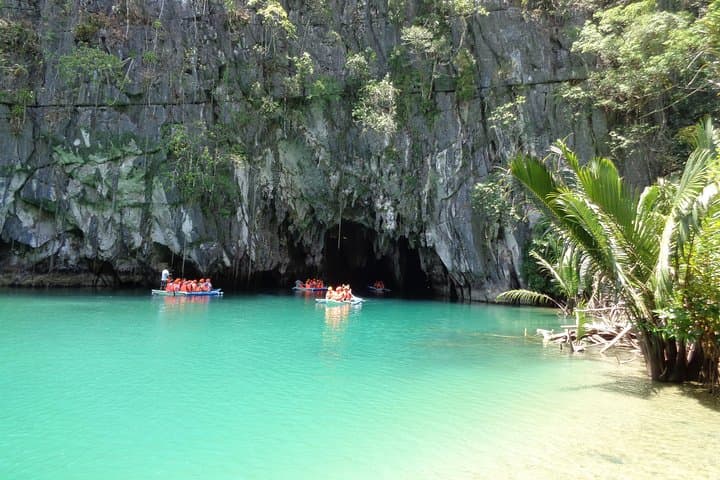
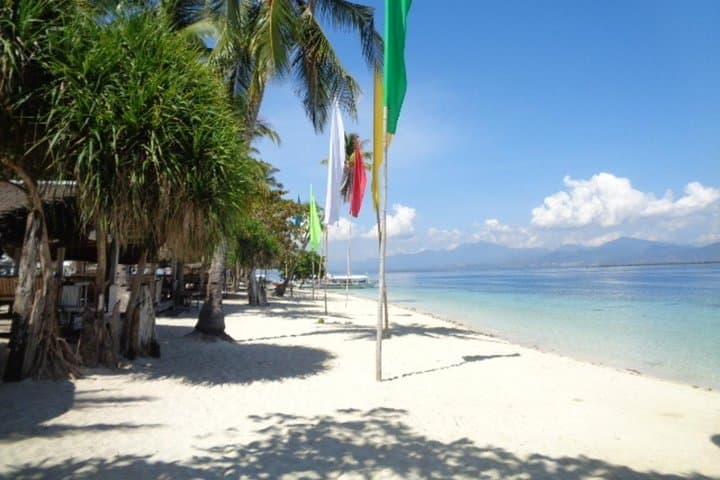
The day begins before dawn, when the city’s narrow streets are cool and the van's air-conditioning hisses against the island humidity. Passengers nod and check last-minute bags while the driver steers toward the harbor; beyond the mangroves, limestone karsts rise like folded pages of an old map. By mid-morning you're in a banca, skimming sea glass toward coral-studded islets—this is Honda Bay—and later you'll stand at the mouth of a river that eats the mountain: the Puerto Princesa Subterranean River, dark and slow, an underground world carved from limestone.
The day begins before dawn, when the city’s narrow streets are cool and the van's air-conditioning hisses against the island humidity. Passengers nod and check last-minute bags while the driver steers toward the harbor; beyond the mangroves, limestone karsts rise like folded pages of an old map. By mid-morning you're in a banca, skimming sea glass toward coral-studded islets—this is Honda Bay—and later you'll stand at the mouth of a river that eats the mountain: the Puerto Princesa Subterranean River, dark and slow, an underground world carved from limestone.
Puerto Princesa is less a resort town than a working port that doubles as a gateway to Philippines geology and history. The Underground River is a UNESCO World Heritage site and an example of karst topography, its caves formed over millions of years by seawater dissolving limestone. The city itself carries wartime traces—a cathedral where the first local mass was celebrated and scattered WWII ruins discovered during the city tour. Indigenous Tagbanua communities are stewards of much of Palawan’s interior; their relationship to the land predates tourism and is threaded through local conservation efforts.
This packaged itinerary compresses the essentials into a compact, practical adventure: airport transfers, three nights’ accommodation (economy or standard), a city and heritage orientation, island-hopping and snorkeling in Honda Bay, and a guided entry to the Underground River. Logistics matter here—names, ages and arrival times are required for government permits to enter the cave, so forward that information as soon as you book.
On the ground, the rhythm is straightforward. Expect short boat rides, easy guided walks, and periods of sitting—on beach sand, in a boat, or in a cave boat watching stalactites drip like time. The physical demands are moderate: uneven ground in the cave and wet rocks at snorkel entry points. The best windows for photos and calmer seas are early morning and late afternoon. Bring reef-safe sunscreen, a snorkel mask if you prefer your own gear, water shoes for the rocky shorelines, and a light rain jacket for sudden tropical squalls.
Plan for 72 hours of moving between sea and subterranean silence. Travel smart: hydrate, carry small cash for island vendors, and book early for dry-season travel (November–May) when sea conditions are most reliable. Guides handle ferry schedules and park permits; your job is to arrive ready to listen, swim, and look up—at stalactites, at shore birds, at a coastline that keeps changing its face with every tide.