THE ADVENTURE COLLECTIVE® · Independent discovery and booking for outdoor travel

Spend 3–4 hours moving from seaside promenades to cigar workshops and amber museums in Puerto Plata. This accessible city tour blends colonial history, local craft demos and tasting stops with a gentle coastal walk.
Spend 3–4 hours moving from seaside promenades to cigar workshops and amber museums in Puerto Plata. This accessible city tour blends colonial history, local craft demos and tasting stops with a gentle coastal walk.
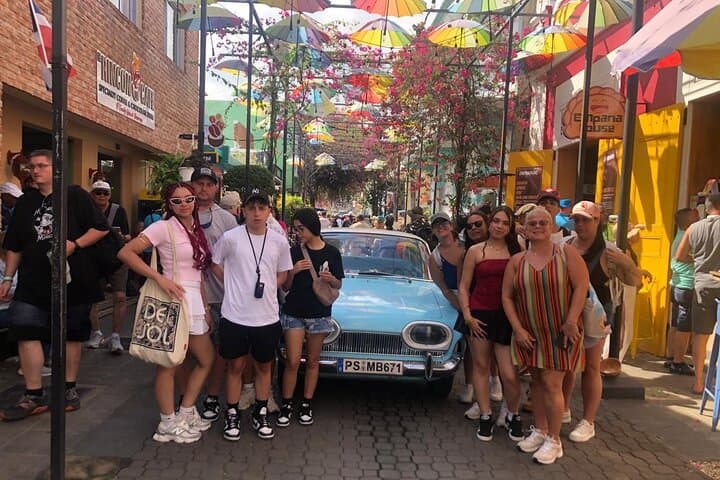
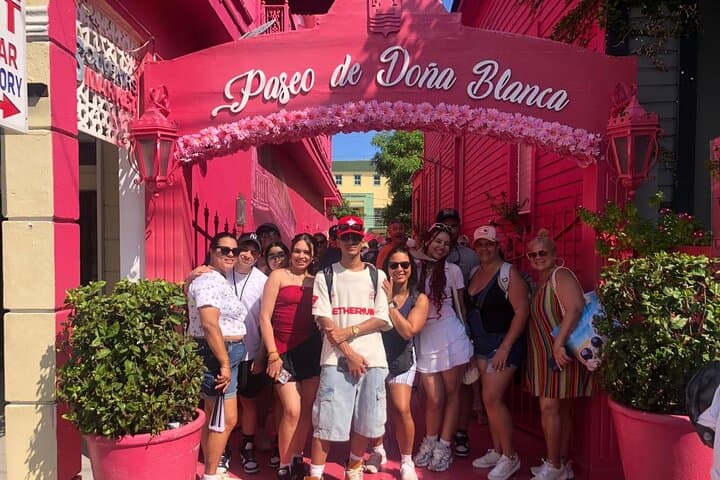
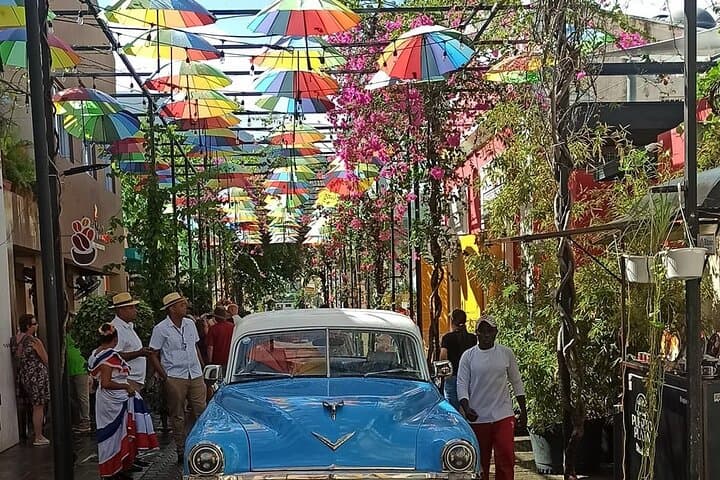
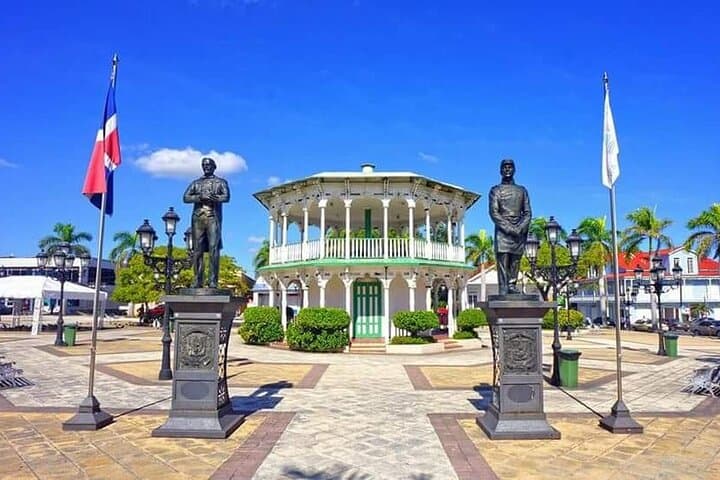
A morning in Puerto Plata begins where the sea meets the city: a breeze off the Atlantic lifts the scent of salt and sugarcane, umbrellas throw color over a pedestrian lane, and Victorian facades keep watch over the central plaza. On this four‑hour circuit you move at walking pace through streets that still carry colonial footprints—past San Felipe Cathedral’s stone face, along a seven‑kilometer seafront path, and into small workshops where cigars are rolled and amber gleams under display lights.
Verified experiences and guided adventures in the surrounding area.
Operated by Dominican VIP Transfers · Puerto Plata, Puerto Plata
A morning in Puerto Plata begins where the sea meets the city: a breeze off the Atlantic lifts the scent of salt and sugarcane, umbrellas throw color over a pedestrian lane, and Victorian facades keep watch over the central plaza. On this four‑hour circuit you move at walking pace through streets that still carry colonial footprints—past San Felipe Cathedral’s stone face, along a seven‑kilometer seafront path, and into small workshops where cigars are rolled and amber gleams under display lights.
Puerto Plata’s story is layered. The cathedral dates to the early colonial period (founded 1502), while the late 19th century brought Italian entrepreneurs like Isidoro Rainieri who shaped the city’s hotel and commercial life. Geologically, the island’s amber—often fossilized resin from the Miocene era—appears in jewelry cases and museum exhibits, an ancient material now central to local craft and commerce. Culturally, rum, cocoa and cigar production remain living industries: expect demonstrations, tastings, and an emphasis on craft traditions.
Practical guidance: the standard tour runs roughly 3–4 hours and includes short stops at a cigar factory, amber displays, a rum tasting, and a seaside promenade. Mornings are cooler and less crowded; late afternoons offer softer light for photography. The route is mostly paved and wheelchair accessible, but bring sun protection, comfortable shoes, and small bills for market purchases. Guides typically provide bottled water and private transport; confirm pickup and any mobility needs in advance. This tour balances relaxed cultural immersion with enough motion to keep a day in Puerto Plata lively and informative.
easy.
3–4 hours.
Suitable for most fitness levels; requires short walks on paved streets and light standing during demos.
The tour runs approximately 3–4 hours with multiple short stops at factories, museums and a seaside promenade.
Yes—transportation and most stops are listed as wheelchair and stroller accessible; notify the operator of any special requirements when booking.
Bottled water is provided; the tour may include small tastings (rum, cocoa) but lunch is typically not included—confirm details at booking.
Bring small bills in Dominican pesos for amber, cigars or souvenirs—some vendors may accept cards, but cash is preferred.
Puerto Plata’s central district features Victorian architecture driven by late 19th century European investment; San Felipe Cathedral traces back to the city’s early colonial founding in 1502.
Local shops rely on responsibly sourced amber and artisanal practices; avoid purchasing untreated wildlife products and support certified vendors to reduce environmental impact.
Dominican VIP Transfers operates guided outdoor trips and adventures with an emphasis on safety, stewardship, and memorable experiences.
A morning in Puerto Plata begins where the sea meets the city: a breeze off the Atlantic lifts the scent of salt and sugarcane, umbrellas throw color over a pedestrian lane, and Victorian facades keep watch over the central plaza. On this four‑hour circuit you move at walking pace through streets that still carry colonial footprints—past San Felipe Cathedral’s stone face, along a seven‑kilometer seafront path, and into small workshops where cigars are rolled and amber gleams under display lights.
A morning in Puerto Plata begins where the sea meets the city: a breeze off the Atlantic lifts the scent of salt and sugarcane, umbrellas throw color over a pedestrian lane, and Victorian facades keep watch over the central plaza. On this four‑hour circuit you move at walking pace through streets that still carry colonial footprints—past San Felipe Cathedral’s stone face, along a seven‑kilometer seafront path, and into small workshops where cigars are rolled and amber gleams under display lights.
Puerto Plata’s story is layered. The cathedral dates to the early colonial period (founded 1502), while the late 19th century brought Italian entrepreneurs like Isidoro Rainieri who shaped the city’s hotel and commercial life. Geologically, the island’s amber—often fossilized resin from the Miocene era—appears in jewelry cases and museum exhibits, an ancient material now central to local craft and commerce. Culturally, rum, cocoa and cigar production remain living industries: expect demonstrations, tastings, and an emphasis on craft traditions.
Practical guidance: the standard tour runs roughly 3–4 hours and includes short stops at a cigar factory, amber displays, a rum tasting, and a seaside promenade. Mornings are cooler and less crowded; late afternoons offer softer light for photography. The route is mostly paved and wheelchair accessible, but bring sun protection, comfortable shoes, and small bills for market purchases. Guides typically provide bottled water and private transport; confirm pickup and any mobility needs in advance. This tour balances relaxed cultural immersion with enough motion to keep a day in Puerto Plata lively and informative.