THE ADVENTURE COLLECTIVE® · Independent discovery and booking for outdoor travel

Set off from Puerto Escondido for a three-hour marine safari where playful spinner and bottlenose dolphins often steal the show and humpback whales pass December–March. Early departures, reef-safe sunscreen, and listening to crew briefings make for the best experience.
Set off from Puerto Escondido for a three-hour marine safari where playful spinner and bottlenose dolphins often steal the show and humpback whales pass December–March. Early departures, reef-safe sunscreen, and listening to crew briefings make for the best experience.
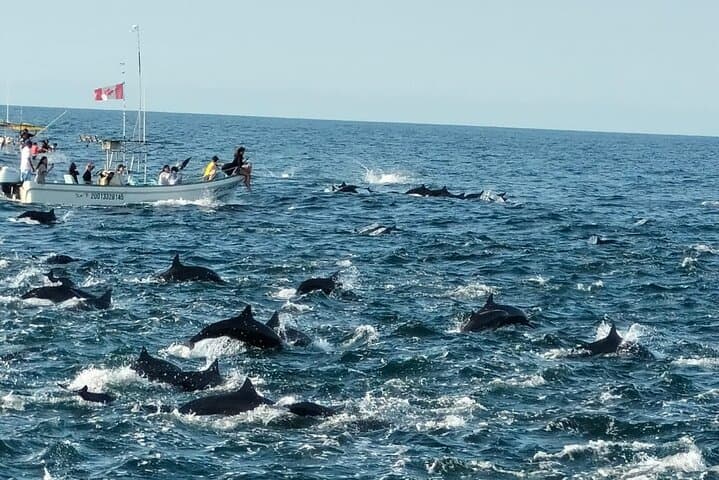
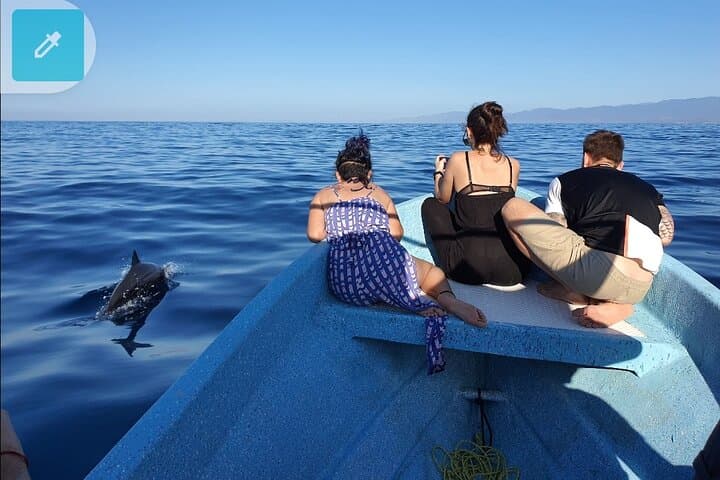
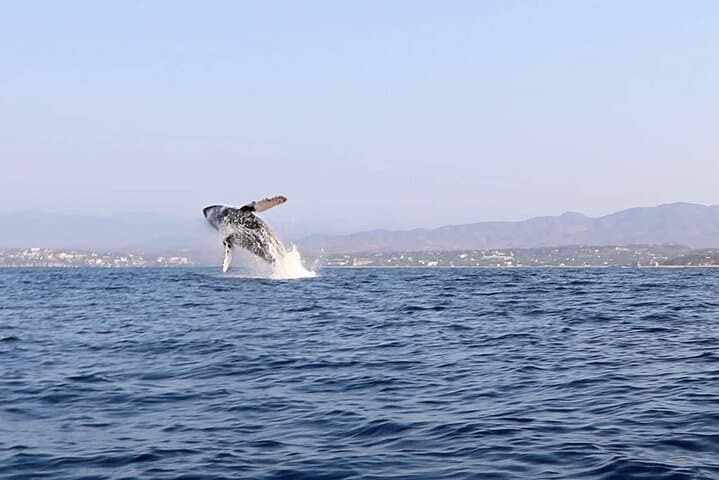
The bow cuts through a bright Pacific morning and spray tunes the air; pods of spinner and bottlenose dolphins rise like punctuation marks, racing the boat’s wake. For three hours off Puerto Escondido you trade the surf’s edge for open water, where the sea seems to test you with currents and surprise shows—fins arching, splashy tail-lobs, and the distant spout of a migrating humpback.
Verified experiences and guided adventures in the surrounding area.
Operated by ROBERT'S ECOTOURS · Puerto Escondido, Oaxaca
The bow cuts through a bright Pacific morning and spray tunes the air; pods of spinner and bottlenose dolphins rise like punctuation marks, racing the boat’s wake. For three hours off Puerto Escondido you trade the surf’s edge for open water, where the sea seems to test you with currents and surprise shows—fins arching, splashy tail-lobs, and the distant spout of a migrating humpback.
This stretch of Oaxaca’s coastline sits on the edge of the Eastern Tropical Pacific, a corridor shaped by deep offshore canyons that funnel nutrients and marine life. Local fishing communities have long read these waters—today you’ll hear about seasonal humpback migrations (December–March) and traditional ocean-use from captains whose knowledge comes from generations on the sea.
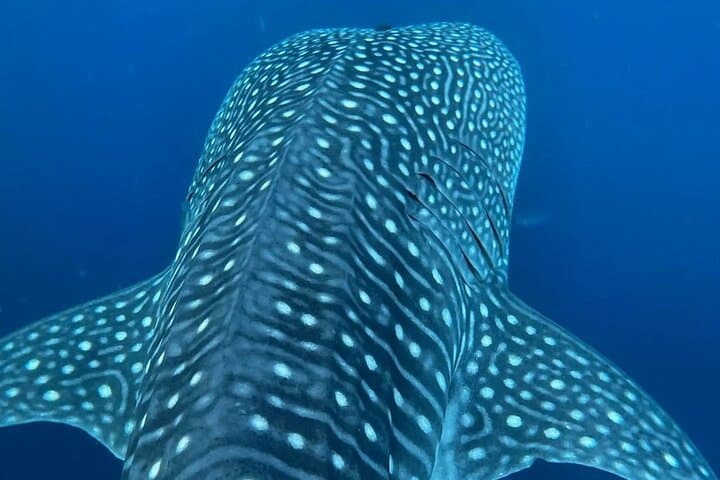
Expect active wildlife viewing: spinner, spotted and bottlenose dolphins are common, sea turtles appear near floating weed lines, and humpbacks pass in season. Operators typically provide snorkeling gear and brief swim opportunities with dolphins in calmer bays; rules and safety briefings control interactions to protect animals.
Practical pointers: tours run about three hours, often starting at first light for calmer seas. Bring reef-safe sunscreen, a windproof layer, seasickness prevention, and a waterproof camera. Listen to crew instructions—boarding, approach distances, and snorkel protocols keep both people and wildlife safe. If you’re traveling between December and March, allow extra time for photography—the light and the whales line up.
This excursion is an efficient, accessible marine encounter that balances spectacle with local knowledge—ideal for travelers who want wildlife, gentle ocean motion, and clear planning cues for a safe day on the Pacific.
easy.
3 hours.
Suitable for most fitness levels; basic swimming ability recommended if you plan to snorkel.
Humpback whales migrate through this region primarily from December through March—book a trip in that window for the highest chance of sightings.
Operators may offer supervised snorkeling with dolphins in calm bays; follow crew instructions and know that interactions are controlled to protect animals.
Yes—snorkeling equipment is typically provided, but bringing your own mask can improve fit and comfort.
This activity is not recommended for travelers with serious heart conditions, pregnant guests, or those with spinal issues; inform the operator about any medical concerns before booking.
Puerto Escondido grew from small fishing settlements into a surf and marine-tourism hub; local captains often derive route knowledge from generations of coastal fishing and navigation.
Operators follow regulated approaches and distance rules; choose providers that use reef-safe products, limit swim interactions, and brief guests on responsible wildlife viewing.
ROBERT'S ECOTOURS operates guided outdoor trips and adventures with an emphasis on safety, stewardship, and memorable experiences.
The bow cuts through a bright Pacific morning and spray tunes the air; pods of spinner and bottlenose dolphins rise like punctuation marks, racing the boat’s wake. For three hours off Puerto Escondido you trade the surf’s edge for open water, where the sea seems to test you with currents and surprise shows—fins arching, splashy tail-lobs, and the distant spout of a migrating humpback.
The bow cuts through a bright Pacific morning and spray tunes the air; pods of spinner and bottlenose dolphins rise like punctuation marks, racing the boat’s wake. For three hours off Puerto Escondido you trade the surf’s edge for open water, where the sea seems to test you with currents and surprise shows—fins arching, splashy tail-lobs, and the distant spout of a migrating humpback.
This stretch of Oaxaca’s coastline sits on the edge of the Eastern Tropical Pacific, a corridor shaped by deep offshore canyons that funnel nutrients and marine life. Local fishing communities have long read these waters—today you’ll hear about seasonal humpback migrations (December–March) and traditional ocean-use from captains whose knowledge comes from generations on the sea.
Expect active wildlife viewing: spinner, spotted and bottlenose dolphins are common, sea turtles appear near floating weed lines, and humpbacks pass in season. Operators typically provide snorkeling gear and brief swim opportunities with dolphins in calmer bays; rules and safety briefings control interactions to protect animals.
Practical pointers: tours run about three hours, often starting at first light for calmer seas. Bring reef-safe sunscreen, a windproof layer, seasickness prevention, and a waterproof camera. Listen to crew instructions—boarding, approach distances, and snorkel protocols keep both people and wildlife safe. If you’re traveling between December and March, allow extra time for photography—the light and the whales line up.
This excursion is an efficient, accessible marine encounter that balances spectacle with local knowledge—ideal for travelers who want wildlife, gentle ocean motion, and clear planning cues for a safe day on the Pacific.