THE ADVENTURE COLLECTIVE® · Independent discovery and booking for outdoor travel

Experience a guided turtle-release and night boat ride through a bioluminescent lagoon near Puerto Escondido. Learn how local conservation efforts protect olive ridley hatchlings while watching the water light up under your hands.
Experience a guided turtle-release and night boat ride through a bioluminescent lagoon near Puerto Escondido. Learn how local conservation efforts protect olive ridley hatchlings while watching the water light up under your hands.
The night begins with a low, salt-scented wind and a shallow lagoon that glows like embers under the hull of the skiff. Guests gather on an air-conditioned transfer from Puerto Escondido and slip into Manialtepec’s dark water where dinoflagellates flare with every stir; the current seems to dare you forward as hatchlings, newly hatched and trembling, are guided from warm sand to the surf.
Verified experiences and guided adventures in the surrounding area.
Operated by Tour Operador, Guía de Turismo y Transportador Turístico · Puerto Escondido, Oaxaca
The night begins with a low, salt-scented wind and a shallow lagoon that glows like embers under the hull of the skiff. Guests gather on an air-conditioned transfer from Puerto Escondido and slip into Manialtepec’s dark water where dinoflagellates flare with every stir; the current seems to dare you forward as hatchlings, newly hatched and trembling, are guided from warm sand to the surf.
This coastline of Oaxaca has long been a crossroads of ocean and culture: sandy nesting beaches for olive ridley turtles and mangrove-lined estuaries shaped by seasonal runoff from nearby Sierra Madre foothills. Community conservation efforts that picked up momentum in the 1990s now run nest patrols, relocate vulnerable clutches, and coordinate guided releases that reduce lamp-lit disturbance.
Geologically the lagoon is a shallow estuary—calm channels, tidal pulses, and suspended organic matter make it hospitable to bioluminescent dinoflagellates. Culturally, the tour links local fishermen, biologists, and volunteers; it’s as much a learning evening as a spectacle.
Practicals: tours run 3–4 hours, usually at night and timed around low light and new moons for peak glow. Expect brief walks on sand, low-light conditions, and close encounters with tiny turtles—no touching allowed. Bring a headlamp with red filter, waterproof shoes, insect repellent, and a willingness to move slowly and quietly. Respect local rules: keep distance from nests, follow guides’ instructions, and avoid flash photography so the lagoon and the hatchlings can do their work undisturbed.
easy.
3–4 hours.
Suitable for most fitness levels; requires short sand walks and the ability to get on/off a small boat
No—guides prohibit touching hatchlings to avoid transferring oils or disorienting them; you can watch closely and help by holding a collection basket if guided.
Bioluminescence can occur year-round but is most visible on calm, moonless nights; seasonal nutrient levels and tides also affect intensity.
Tours are family-friendly; infants must sit on an adult’s lap and everyone should follow safety and low-light rules—check operator age limits before booking.
Most operators provide a short drive (about 20–40 minutes depending on pickup point) to the lagoon or beach launch site; confirm pickup details when booking.
Local villages and conservation groups began organized turtle protection work in the late 20th century, dramatically reducing nest losses and increasing hatchling survival.
Keep artificial light off, follow guide rules, and support local patrols—community-led monitoring reduces poaching and light pollution impacts.
Tour Operador, Guía de Turismo y Transportador Turístico operates guided outdoor trips and adventures with an emphasis on safety, stewardship, and memorable experiences.
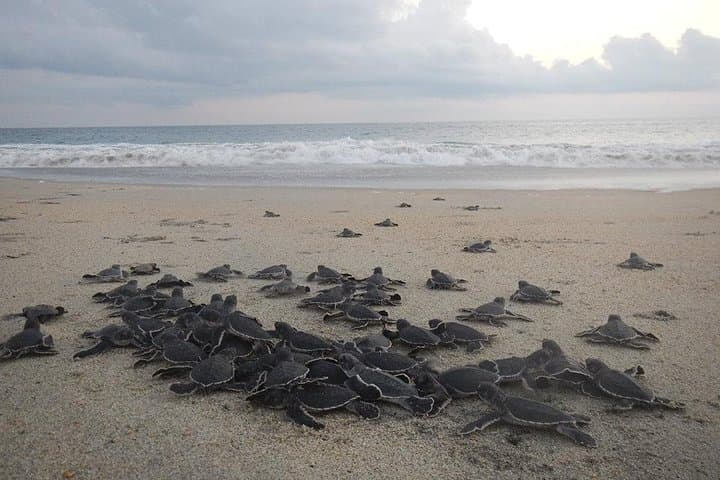
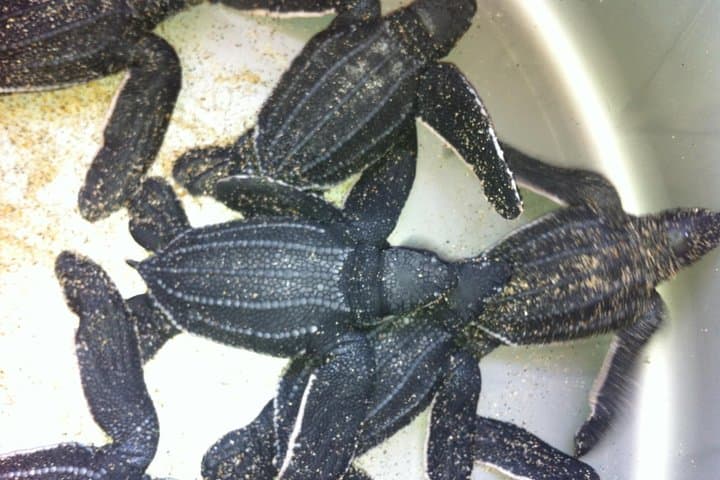
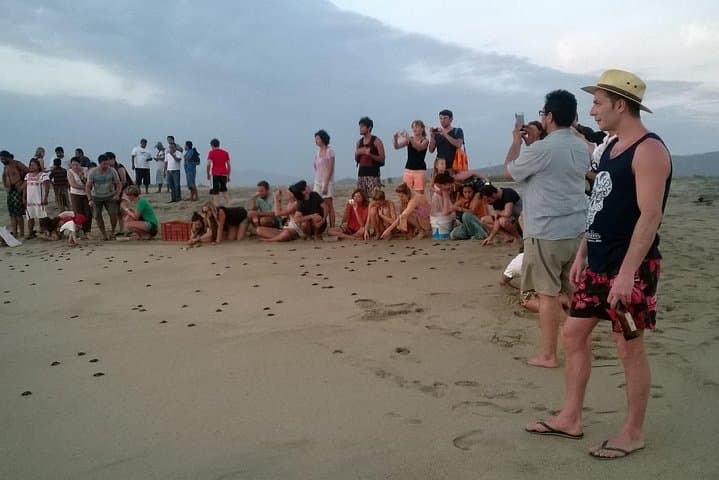

The night begins with a low, salt-scented wind and a shallow lagoon that glows like embers under the hull of the skiff. Guests gather on an air-conditioned transfer from Puerto Escondido and slip into Manialtepec’s dark water where dinoflagellates flare with every stir; the current seems to dare you forward as hatchlings, newly hatched and trembling, are guided from warm sand to the surf.
The night begins with a low, salt-scented wind and a shallow lagoon that glows like embers under the hull of the skiff. Guests gather on an air-conditioned transfer from Puerto Escondido and slip into Manialtepec’s dark water where dinoflagellates flare with every stir; the current seems to dare you forward as hatchlings, newly hatched and trembling, are guided from warm sand to the surf.
This coastline of Oaxaca has long been a crossroads of ocean and culture: sandy nesting beaches for olive ridley turtles and mangrove-lined estuaries shaped by seasonal runoff from nearby Sierra Madre foothills. Community conservation efforts that picked up momentum in the 1990s now run nest patrols, relocate vulnerable clutches, and coordinate guided releases that reduce lamp-lit disturbance.
Geologically the lagoon is a shallow estuary—calm channels, tidal pulses, and suspended organic matter make it hospitable to bioluminescent dinoflagellates. Culturally, the tour links local fishermen, biologists, and volunteers; it’s as much a learning evening as a spectacle.
Practicals: tours run 3–4 hours, usually at night and timed around low light and new moons for peak glow. Expect brief walks on sand, low-light conditions, and close encounters with tiny turtles—no touching allowed. Bring a headlamp with red filter, waterproof shoes, insect repellent, and a willingness to move slowly and quietly. Respect local rules: keep distance from nests, follow guides’ instructions, and avoid flash photography so the lagoon and the hatchlings can do their work undisturbed.