THE ADVENTURE COLLECTIVE® · Independent discovery and booking for outdoor travel

Join a short, guided sea turtle release near Puerto Escondido and witness hatchlings make their first dash to the surf. This hands-on conservation activity pairs local stewardship with an accessible coastal experience.
Join a short, guided sea turtle release near Puerto Escondido and witness hatchlings make their first dash to the surf. This hands-on conservation activity pairs local stewardship with an accessible coastal experience.
Dawn bends the ocean to a sheet of quicksilver as volunteers and visitors gather on a low, black-sand stretch near Puerto Escondido.
Verified experiences and guided adventures in the surrounding area.
Operated by ROBERT'S ECOTOURS · Puerto Escondido, Oaxaca
Dawn bends the ocean to a sheet of quicksilver as volunteers and visitors gather on a low, black-sand stretch near Puerto Escondido.
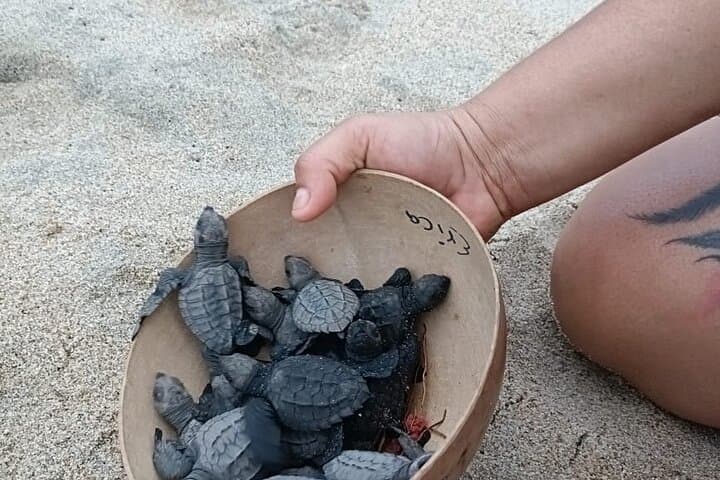
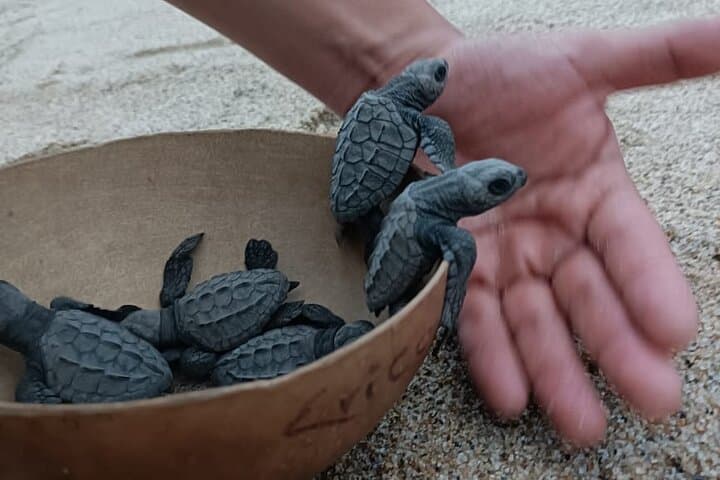
Small, warm hatchlings are passed in gloved hands to the edge of surf that seems to dare them onward; the rhythm of the waves and the urgent scuttle of tiny flippers create a sharp, immediate connection to the coast.
The Pacific beaches around Oaxaca are shaped by volcanic geology and longshore currents that create nesting beaches favored by olive ridley turtles. Local fishing communities have paired daily life with seasonal protection programs for decades—community-run patrols, marked nests, and guided releases are now an important cultural and conservation practice in the region.
This program is short and focused—about 90 minutes total—and can be combined with a visit to nearby waterfalls and canopy ziplines offered by some operators. Expect a short walk from parking to the beach or nesting area over sand or packed cobble; guides provide instruction, gloves, and context about species and threats.
Practical notes: releases are best at dawn or dusk, bring reef-safe sunscreen and a refillable water bottle, and avoid flash photography or handling adult turtles. The experience asks for a moderate level of fitness (short uneven ground, brief standing periods) and is not recommended for pregnant travelers or those with serious back or heart conditions.
Participating supports local conservation groups—small fees and donations fund nest protection, hatchling patrols, and community education. When you step back and watch those tiny flippers head for the surge, the coastline feels less like scenery and more like a responsibility you can help carry.
moderate.
1–2 hours.
Comfortable with short walks over uneven sand/rock and standing; suitable for most people with moderate fitness
On the Pacific coast of Oaxaca, nesting and hatching activity typically peaks in the warmer months—many releases occur between late spring and fall, with highest activity in summer.
Yes—operators usually welcome children but may set minimum age limits and require adult supervision; check booking questions for age bands and safety rules.
Guides typically control handling for the safety of hatchlings and participants; you may assist under supervision but should not touch adult turtles or nests unless instructed.
No—releases depend on local nesting and hatching events and weather; operators may cancel for safety or low hatchling numbers and typically offer refunds per cancellation policy.
Small fishing communities around Puerto Escondido have long interacted with sea turtles; organized nest protection and community programs expanded in the late 20th century to reduce poaching and bycatch.
Support local cooperatives and use reef-safe products; donations and small program fees fund nest patrols, hatchery maintenance, and community education to reduce plastic and light pollution.
ROBERT'S ECOTOURS operates guided outdoor trips and adventures with an emphasis on safety, stewardship, and memorable experiences.


Dawn bends the ocean to a sheet of quicksilver as volunteers and visitors gather on a low, black-sand stretch near Puerto Escondido.
Dawn bends the ocean to a sheet of quicksilver as volunteers and visitors gather on a low, black-sand stretch near Puerto Escondido.
Small, warm hatchlings are passed in gloved hands to the edge of surf that seems to dare them onward; the rhythm of the waves and the urgent scuttle of tiny flippers create a sharp, immediate connection to the coast.
The Pacific beaches around Oaxaca are shaped by volcanic geology and longshore currents that create nesting beaches favored by olive ridley turtles. Local fishing communities have paired daily life with seasonal protection programs for decades—community-run patrols, marked nests, and guided releases are now an important cultural and conservation practice in the region.
This program is short and focused—about 90 minutes total—and can be combined with a visit to nearby waterfalls and canopy ziplines offered by some operators. Expect a short walk from parking to the beach or nesting area over sand or packed cobble; guides provide instruction, gloves, and context about species and threats.
Practical notes: releases are best at dawn or dusk, bring reef-safe sunscreen and a refillable water bottle, and avoid flash photography or handling adult turtles. The experience asks for a moderate level of fitness (short uneven ground, brief standing periods) and is not recommended for pregnant travelers or those with serious back or heart conditions.
Participating supports local conservation groups—small fees and donations fund nest protection, hatchling patrols, and community education. When you step back and watch those tiny flippers head for the surge, the coastline feels less like scenery and more like a responsibility you can help carry.