THE ADVENTURE COLLECTIVE® · Independent discovery and booking for outdoor travel

Spend a long day exploring Puebla’s colonial center and end it in a protected forest lit by thousands of fireflies. This guided excursion pairs cultural walking with a short night hike to a sanctuary where quiet and no-flash rules preserve the insects’ show.
Spend a long day exploring Puebla’s colonial center and end it in a protected forest lit by thousands of fireflies. This guided excursion pairs cultural walking with a short night hike to a sanctuary where quiet and no-flash rules preserve the insects’ show.
A late-afternoon road hum carries you out of Mexico City and into the high basin where Puebla’s cathedral towers begin to pierce the skyline. By dusk you’re walking cobbled lanes beneath colonial facades, the city’s smoke and mole-scented kitchens following you like a companion, and later a cool forest path opens to a hush broken only by the pulse of tiny lights.
Verified experiences and guided adventures in the surrounding area.
Operated by Vibe Adventures · Puebla, Puebla
A late-afternoon road hum carries you out of Mexico City and into the high basin where Puebla’s cathedral towers begin to pierce the skyline. By dusk you’re walking cobbled lanes beneath colonial facades, the city’s smoke and mole-scented kitchens following you like a companion, and later a cool forest path opens to a hush broken only by the pulse of tiny lights.
Puebla was founded in the 16th century as a strategic colonial city; its volcanic slopes—shaped by Popocatépetl and the Sierra Negra—feed the oak and pine pockets where fireflies gather each summer. The cuisine is as much history as flavor: expect mole poblano and street markets where local ingredients define the day.
The sanctuary at Ejido de Santa Rita Tlahuapan protects the nocturnal mating displays of Photinus and related species. Guides lead small groups onto short, gently sloped trails to vantage points where the insects “blink” in patterns like a secret code—flash photography and loud noise are prohibited to avoid disrupting them.
Practical guidance: this is a long day (roughly 8–12 hours including transit). Wear sturdy, broken-in shoes for uneven cobbles and forest soil; bring a headlamp with a red filter, insect repellent, and a warm layer for the forest evening. Hydrate before departure and carry snacks if you have dietary needs—guides typically include local refreshments.
Plan your visit in the rainy-season months when firefly activity peaks, book early during high season, and support local stewards by following leave-no-trace rules: stay on trails, avoid flash photography, and listen to your guide’s instructions for the best and safest viewing.
moderate.
8–12 hours.
Suitable for travelers who can manage a full day of walking (several miles total) and short, gentle night hikes; not strenuous but long.
Firefly season usually runs during the rainy summer months (roughly June–August), when humidity and temperature create optimal conditions for mating displays.
Yes—private tour options include hotel pickup in central neighborhoods; small-group tours may require a designated meeting point and fixed departure time.
You may photograph the fireflies but flash is strictly prohibited; use long exposures with a tripod and a camera capable of high-ISO performance instead.
No—the sanctuary walk is a short, gently sloped trail, but it occurs after a long day of travel and city walking, so basic mobility is required.
Puebla was established in 1531 as a colonial city on trade routes between the port of Veracruz and Mexico City; its architecture blends indigenous and Spanish influences and its culinary traditions, like mole, evolved from that fusion.
Sanctuaries depend on intact oak-pine forest and humidity; visitors should avoid flash photography, stay on designated trails, and support local guides who enforce protective measures.
Vibe Adventures operates guided outdoor trips and adventures with an emphasis on safety, stewardship, and memorable experiences.

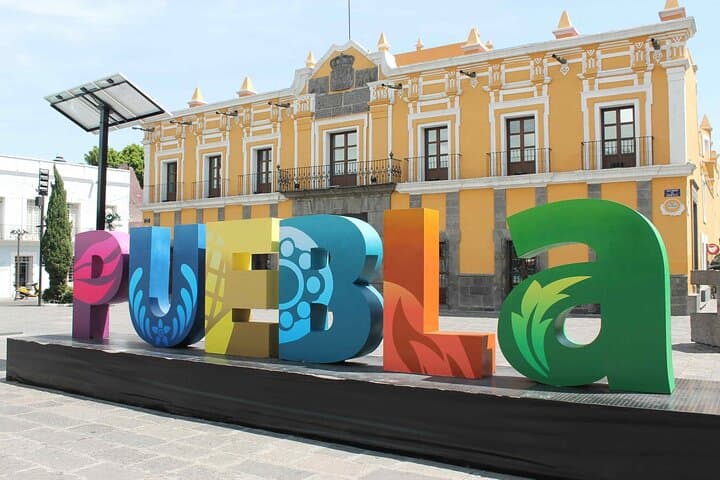


A late-afternoon road hum carries you out of Mexico City and into the high basin where Puebla’s cathedral towers begin to pierce the skyline. By dusk you’re walking cobbled lanes beneath colonial facades, the city’s smoke and mole-scented kitchens following you like a companion, and later a cool forest path opens to a hush broken only by the pulse of tiny lights.
A late-afternoon road hum carries you out of Mexico City and into the high basin where Puebla’s cathedral towers begin to pierce the skyline. By dusk you’re walking cobbled lanes beneath colonial facades, the city’s smoke and mole-scented kitchens following you like a companion, and later a cool forest path opens to a hush broken only by the pulse of tiny lights.
Puebla was founded in the 16th century as a strategic colonial city; its volcanic slopes—shaped by Popocatépetl and the Sierra Negra—feed the oak and pine pockets where fireflies gather each summer. The cuisine is as much history as flavor: expect mole poblano and street markets where local ingredients define the day.
The sanctuary at Ejido de Santa Rita Tlahuapan protects the nocturnal mating displays of Photinus and related species. Guides lead small groups onto short, gently sloped trails to vantage points where the insects “blink” in patterns like a secret code—flash photography and loud noise are prohibited to avoid disrupting them.
Practical guidance: this is a long day (roughly 8–12 hours including transit). Wear sturdy, broken-in shoes for uneven cobbles and forest soil; bring a headlamp with a red filter, insect repellent, and a warm layer for the forest evening. Hydrate before departure and carry snacks if you have dietary needs—guides typically include local refreshments.
Plan your visit in the rainy-season months when firefly activity peaks, book early during high season, and support local stewards by following leave-no-trace rules: stay on trails, avoid flash photography, and listen to your guide’s instructions for the best and safest viewing.