THE ADVENTURE COLLECTIVE® · Independent discovery and booking for outdoor travel

Spend a day exploring Puebla’s colonial center, Talavera ceramics and the ancient site of Cholula—plus a quick visit to Cuexcomate, the tiny steam-vent volcano. This private tour pairs history, volcano views and world-class regional food.
Spend a day exploring Puebla’s colonial center, Talavera ceramics and the ancient site of Cholula—plus a quick visit to Cuexcomate, the tiny steam-vent volcano. This private tour pairs history, volcano views and world-class regional food.
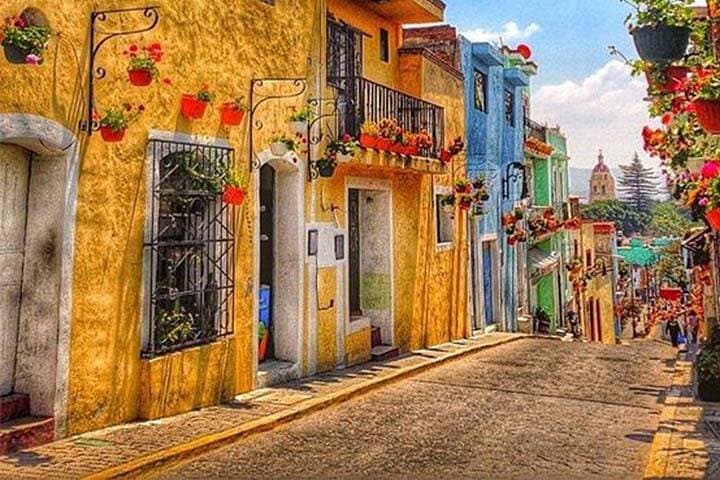
The van hums along the highway as the valley opens, and two snow-dusted giants—Popocatépetl and Iztaccíhuatl—rise like watchful hosts. By the time you roll into Puebla, the air has a crisp edge; sunlight picks out blue-and-white Talavera tiles on shutters and church domes. Walking through the Zócalo, your guide points to layered facades and baroque stonework while the city’s scent—fresh tortillas, roasting chiles, hot chocolate—threads through the plazas.
Verified experiences and guided adventures in the surrounding area.
Operated by Trip To Mexico · Puebla, Puebla
The van hums along the highway as the valley opens, and two snow-dusted giants—Popocatépetl and Iztaccíhuatl—rise like watchful hosts. By the time you roll into Puebla, the air has a crisp edge; sunlight picks out blue-and-white Talavera tiles on shutters and church domes. Walking through the Zócalo, your guide points to layered facades and baroque stonework while the city’s scent—fresh tortillas, roasting chiles, hot chocolate—threads through the plazas.
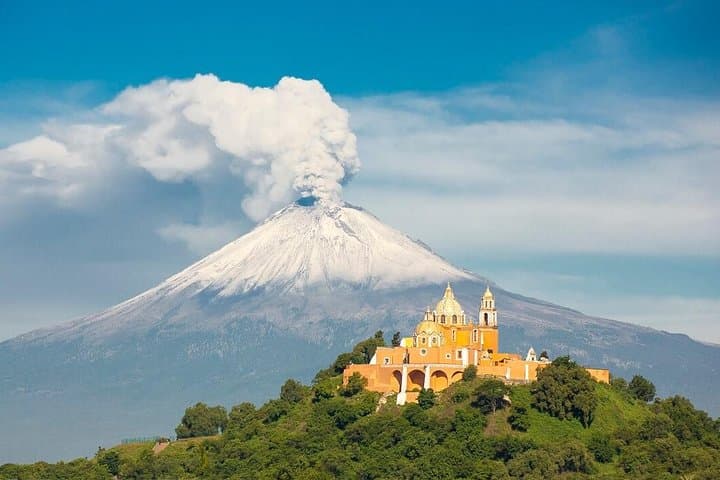
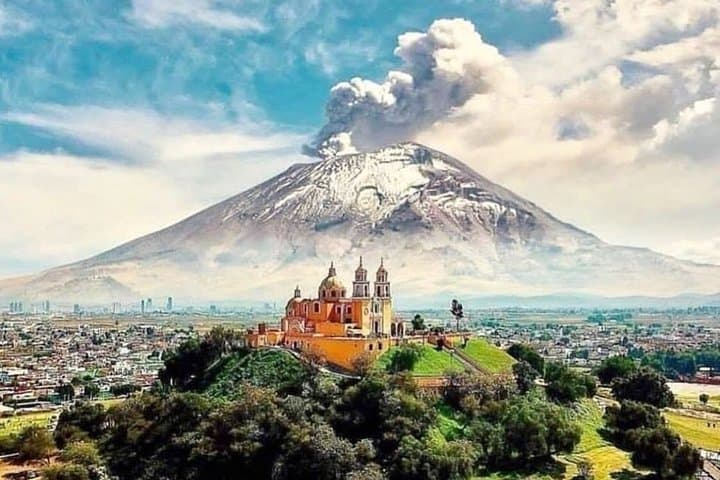
Puebla’s streets are a lived record of Spanish colonial planning and local craft. Founded in the 16th century as a strategic inland port, the city grew into a ceramics and trade hub; Talavera pottery, with its distinct glazes, has been produced here for centuries. Cholula, a few kilometers away, holds older histories: its Great Pyramid predates the Spanish arrival, and the Iglesia de Nuestra Señora de los Remedios perches atop an earthwork that conceals layers of pre-Hispanic occupation. Cuexcomate, called the smallest volcano in the world, is a curious geological footnote—an eroded steam vent you can descend into via a short stairwell to glimpse its compact crater.
Geology and culture meet at every turn. The valley’s volcanic soils supported ancient settlements and today nourish the chiles and maize that make Puebla’s cuisine famous. Mole poblano—dark, complex, and balanced between chocolate and chiles—is a dish born of that interplay. If you time it right (late summer), chiles en nogada appear on menus, a seasonal, patriotic plate of stuffed peppers and walnut cream.
Practical guidance: this is a full-day, private tour of roughly eight hours with moderate walking on cobblestones, stairs, and short urban climbs. Puebla sits at about 2,135 meters elevation—expect thinner air and cooler mornings. Bring comfortable walking shoes with good tread for uneven stone streets, a warm layer for the morning and late afternoon, and a water bottle to stave off dehydration. Most stops involve brief walks of 10–30 minutes; the main downtown exploration can run 1.5–2 hours, with an additional hour for the Cholula site and a short descent into Cuexcomate.
Logistics are straightforward: private pickup in Mexico City’s central districts, air-conditioned transport, and a bilingual guide who can tailor the pace. Cash is useful for street food and markets; photography is welcomed at most sites but be respectful inside churches and during mass. If you have limited mobility, mention it at booking—the tour is adaptable but includes cobbled surfaces and steps.
On a successful day you’ll leave with a stack of photographs—tilework and volcanoes, a bite of mole—and the feeling that you’ve moved through layers of Mexican history, geology, and flavor in one concentrated loop.
moderate.
8 hours.
Moderate fitness recommended—able to walk 1–2 hours across uneven cobblestones and climb short flights of steps.
This private day trip runs about eight hours, typically with morning pickup in Mexico City and return in the evening.
Lunch is not included so you can choose where to eat in Puebla; guides will recommend local eateries and regional dishes.
Yes—inform the operator at booking and the guide can suggest or arrange appropriate restaurants.
Yes, with caveats: the tour involves walking on uneven surfaces and some stairs; moderate mobility is recommended.
The tour visits the pyramid site and church on top; access inside tunnels is limited and typically not included—confirm with your guide for current availability.
Photography is allowed at most outdoor sites; inside churches be respectful and avoid flash during services or where signage prohibits photos.
Puebla was founded in 1531 as a Spanish colonial city and became an important ceramics and trade center; Cholula’s pyramid attests to pre-Hispanic settlement layers predating the Spanish era.
Support local craftsmen by buying certified Talavera and avoid single-use plastics; stay on marked paths at archaeological sites to protect fragile soils and structures.
Trip To Mexico operates guided outdoor trips and adventures with an emphasis on safety, stewardship, and memorable experiences.
The van hums along the highway as the valley opens, and two snow-dusted giants—Popocatépetl and Iztaccíhuatl—rise like watchful hosts. By the time you roll into Puebla, the air has a crisp edge; sunlight picks out blue-and-white Talavera tiles on shutters and church domes. Walking through the Zócalo, your guide points to layered facades and baroque stonework while the city’s scent—fresh tortillas, roasting chiles, hot chocolate—threads through the plazas.
The van hums along the highway as the valley opens, and two snow-dusted giants—Popocatépetl and Iztaccíhuatl—rise like watchful hosts. By the time you roll into Puebla, the air has a crisp edge; sunlight picks out blue-and-white Talavera tiles on shutters and church domes. Walking through the Zócalo, your guide points to layered facades and baroque stonework while the city’s scent—fresh tortillas, roasting chiles, hot chocolate—threads through the plazas.
Puebla’s streets are a lived record of Spanish colonial planning and local craft. Founded in the 16th century as a strategic inland port, the city grew into a ceramics and trade hub; Talavera pottery, with its distinct glazes, has been produced here for centuries. Cholula, a few kilometers away, holds older histories: its Great Pyramid predates the Spanish arrival, and the Iglesia de Nuestra Señora de los Remedios perches atop an earthwork that conceals layers of pre-Hispanic occupation. Cuexcomate, called the smallest volcano in the world, is a curious geological footnote—an eroded steam vent you can descend into via a short stairwell to glimpse its compact crater.
Geology and culture meet at every turn. The valley’s volcanic soils supported ancient settlements and today nourish the chiles and maize that make Puebla’s cuisine famous. Mole poblano—dark, complex, and balanced between chocolate and chiles—is a dish born of that interplay. If you time it right (late summer), chiles en nogada appear on menus, a seasonal, patriotic plate of stuffed peppers and walnut cream.
Practical guidance: this is a full-day, private tour of roughly eight hours with moderate walking on cobblestones, stairs, and short urban climbs. Puebla sits at about 2,135 meters elevation—expect thinner air and cooler mornings. Bring comfortable walking shoes with good tread for uneven stone streets, a warm layer for the morning and late afternoon, and a water bottle to stave off dehydration. Most stops involve brief walks of 10–30 minutes; the main downtown exploration can run 1.5–2 hours, with an additional hour for the Cholula site and a short descent into Cuexcomate.
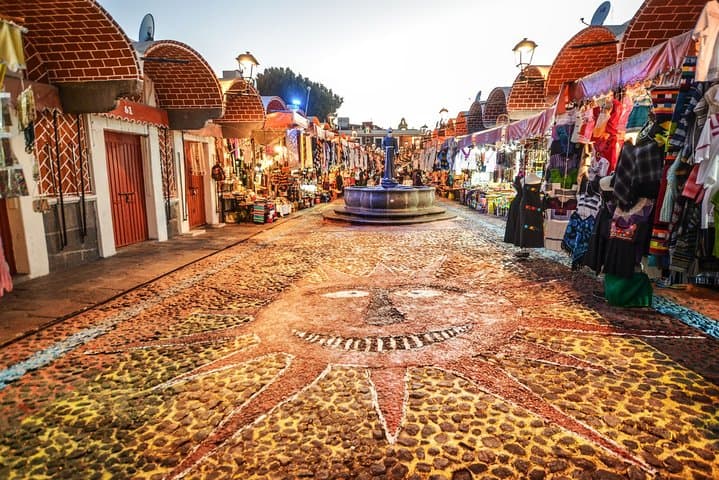
Logistics are straightforward: private pickup in Mexico City’s central districts, air-conditioned transport, and a bilingual guide who can tailor the pace. Cash is useful for street food and markets; photography is welcomed at most sites but be respectful inside churches and during mass. If you have limited mobility, mention it at booking—the tour is adaptable but includes cobbled surfaces and steps.
On a successful day you’ll leave with a stack of photographs—tilework and volcanoes, a bite of mole—and the feeling that you’ve moved through layers of Mexican history, geology, and flavor in one concentrated loop.