THE ADVENTURE COLLECTIVE® · Independent discovery and booking for outdoor travel

A full‑day cultural loop from Mexico City to Cholula and Puebla that pairs the world’s largest pyramid with Indigenous baroque interiors and Puebla’s colonial center. Expect guided archaeology, ornate churches, and a lively handicraft market.
A full‑day cultural loop from Mexico City to Cholula and Puebla that pairs the world’s largest pyramid with Indigenous baroque interiors and Puebla’s colonial center. Expect guided archaeology, ornate churches, and a lively handicraft market.
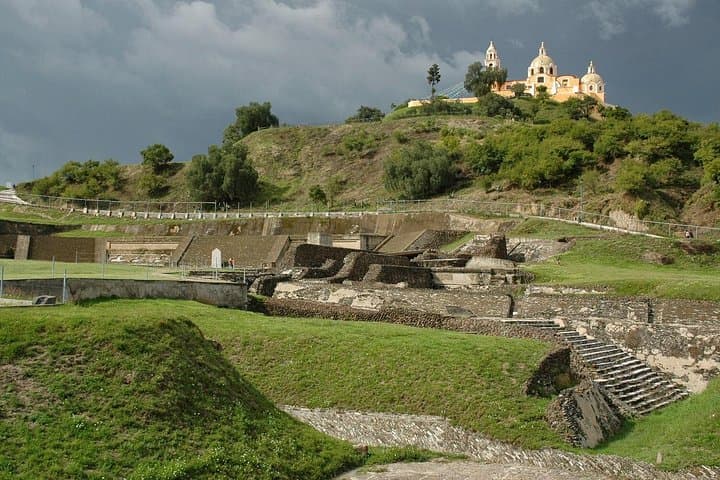
You leave Mexico City before sunrise and the air tightens as the valley narrows — volcanoes like Popocatépetl and Iztaccíhuatl watch the highway. By midmorning the low, green mound of Cholula rises into view with its improbably ornate church perched on top; the scene feels like history stacked on history.
Verified experiences and guided adventures in the surrounding area.
Operated by Altus Tours · Puebla, Puebla
You leave Mexico City before sunrise and the air tightens as the valley narrows — volcanoes like Popocatépetl and Iztaccíhuatl watch the highway. By midmorning the low, green mound of Cholula rises into view with its improbably ornate church perched on top; the scene feels like history stacked on history.
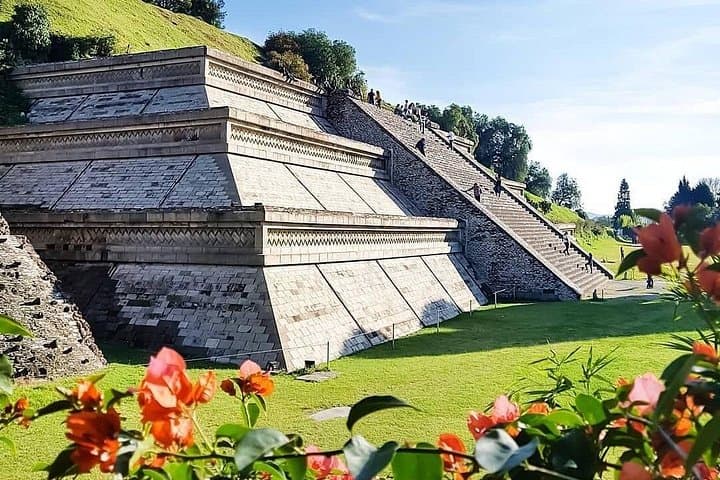
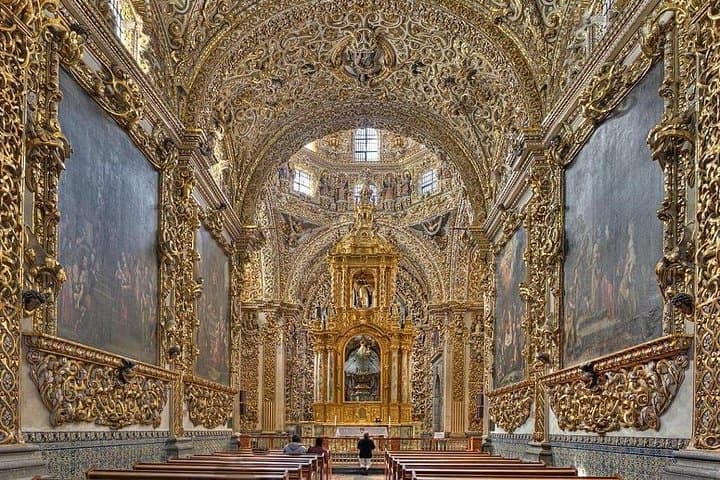
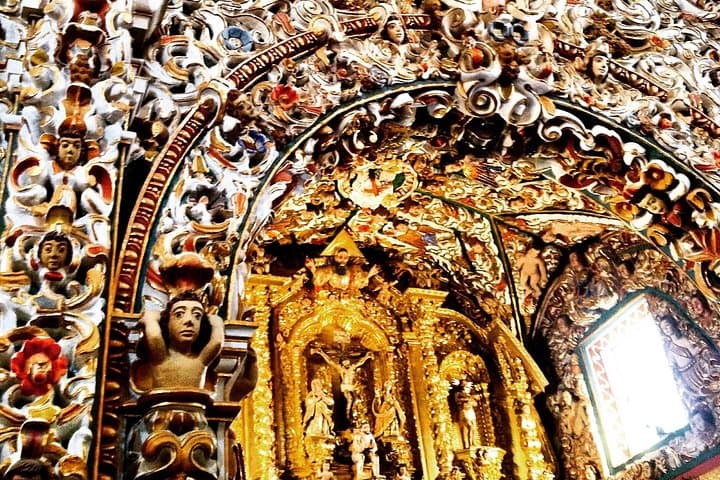
Cholula’s great pyramid (Tlachihualtepetl) is the largest by volume in the world, its earthen form concealing layers of pre‑Hispanic construction and later Spanish ritual. The baroque Tonantzintla Church flips the script: Indigenous artisans reinterpreted Catholic iconography into a riot of sculpted saints and vegetal motifs. In Puebla, wide plazas and the Cathedral’s twin towers recall 16th‑century urban planning while alleyside workshops keep Talavera ceramics and mole recipes alive.
Expect a day of short guided walks, stone steps, and market browsing. The ruins involve uneven paths and a climb for views; Tonantzintla and Puebla’s historic center require respectful dress and quiet in sacred spaces. You’ll have a block of free time in Puebla to sample chiles en nogada, shop El Parián for handcrafts, or duck into a bakery for pan de yema.
Practical: the tour runs roughly 11–12 hours including transport; bring water, sun protection, and cash for markets. Shoes with traction and a small daypack make the most sense. Keep your camera ready — light and color shift quickly across plazas and carved interiors, and the guide’s local context turns architectural details into stories worth remembering.
easy.
11–12 hours.
Light fitness required — mostly walking on even surfaces with short climbs and stairs; suitable for most travelers.
The tour is about 11–12 hours overall; much of that includes round‑trip transport from Mexico City (roughly 1.5–2 hours each way depending on traffic).
Lunch is not included — you’ll have free time in Puebla to choose a restaurant or try market food at El Parián.
Yes; the itinerary is paced for general audiences, but those with mobility or cardiovascular issues should note there are stairs and uneven surfaces at sites.
Advance booking is recommended to secure a confirmed spot and pickup; the tour offers instant confirmation but can fill on popular dates.
Cholula’s pyramid grew over centuries of pre‑Hispanic construction and was later topped by a Spanish church; Puebla was founded in the 16th century as a planned colonial city and became a center for ceramics and regional cuisine.
Tourism supports local artisans and the protection of monuments, but visitors should avoid climbing non‑designated areas, carry out trash, and buy from licensed vendors to ensure economic benefits remain local.
Altus Tours operates guided outdoor trips and adventures with an emphasis on safety, stewardship, and memorable experiences.
You leave Mexico City before sunrise and the air tightens as the valley narrows — volcanoes like Popocatépetl and Iztaccíhuatl watch the highway. By midmorning the low, green mound of Cholula rises into view with its improbably ornate church perched on top; the scene feels like history stacked on history.
You leave Mexico City before sunrise and the air tightens as the valley narrows — volcanoes like Popocatépetl and Iztaccíhuatl watch the highway. By midmorning the low, green mound of Cholula rises into view with its improbably ornate church perched on top; the scene feels like history stacked on history.
Cholula’s great pyramid (Tlachihualtepetl) is the largest by volume in the world, its earthen form concealing layers of pre‑Hispanic construction and later Spanish ritual. The baroque Tonantzintla Church flips the script: Indigenous artisans reinterpreted Catholic iconography into a riot of sculpted saints and vegetal motifs. In Puebla, wide plazas and the Cathedral’s twin towers recall 16th‑century urban planning while alleyside workshops keep Talavera ceramics and mole recipes alive.
Expect a day of short guided walks, stone steps, and market browsing. The ruins involve uneven paths and a climb for views; Tonantzintla and Puebla’s historic center require respectful dress and quiet in sacred spaces. You’ll have a block of free time in Puebla to sample chiles en nogada, shop El Parián for handcrafts, or duck into a bakery for pan de yema.
Practical: the tour runs roughly 11–12 hours including transport; bring water, sun protection, and cash for markets. Shoes with traction and a small daypack make the most sense. Keep your camera ready — light and color shift quickly across plazas and carved interiors, and the guide’s local context turns architectural details into stories worth remembering.