THE ADVENTURE COLLECTIVE® · Independent discovery and booking for outdoor travel

Spend a full day from Mexico City visiting Cholula’s massive pyramid and Puebla’s UNESCO-listed historic center. This guided tour blends pre-Hispanic archaeology, colonial architecture, and regional cuisine into a practical, walkable itinerary.
Spend a full day from Mexico City visiting Cholula’s massive pyramid and Puebla’s UNESCO-listed historic center. This guided tour blends pre-Hispanic archaeology, colonial architecture, and regional cuisine into a practical, walkable itinerary.
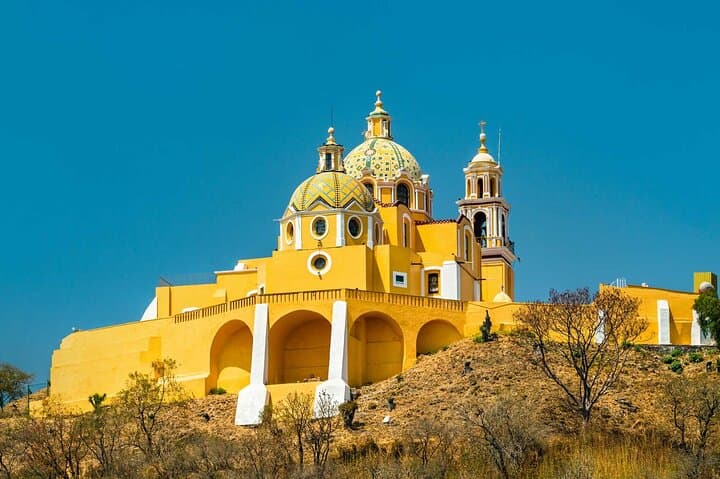
You step off the van into a plaza where church bells cut across high, dry air; behind them the bulk of the Great Pyramid of Cholula sits like a green hill crowned with a colonial church. The town smells of frying masa and spices, and your guide points up at the Iglesia de los Remedios—built high over a pre-Hispanic platform—inviting you to climb for a view that puts Popocatépetl and the Valley of Puebla into perspective.
Verified experiences and guided adventures in the surrounding area.
Operated by Vibe Adventures · Cholula, Puebla
You step off the van into a plaza where church bells cut across high, dry air; behind them the bulk of the Great Pyramid of Cholula sits like a green hill crowned with a colonial church. The town smells of frying masa and spices, and your guide points up at the Iglesia de los Remedios—built high over a pre-Hispanic platform—inviting you to climb for a view that puts Popocatépetl and the Valley of Puebla into perspective.
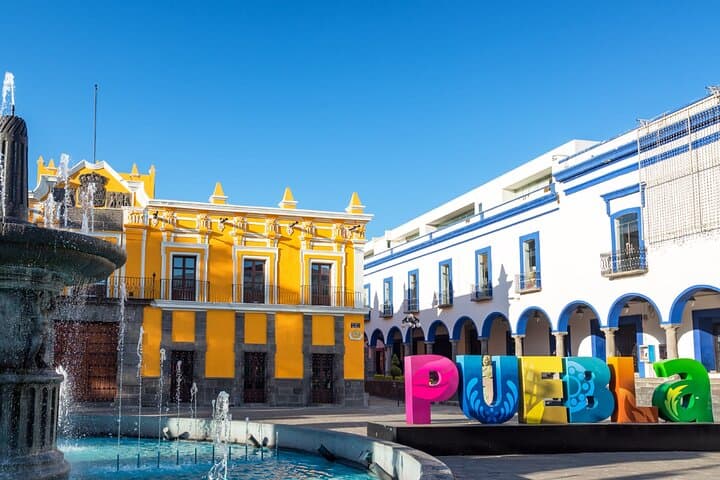
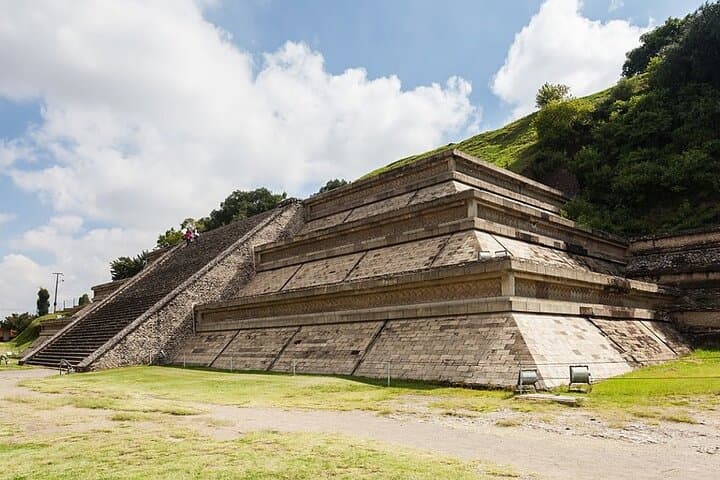
Cholula’s pyramid is not a single massive stone mound but a layered, built-over site accumulated over centuries; its mass makes it the largest pyramid on earth by volume. Puebla, declared a UNESCO World Heritage Center, preserves 17th–19th century Baroque façades, a towering cathedral, and the tiled blue-and-white glint of Talavera pottery, a local craft with Spanish and indigenous roots.
Expect a balanced day of archaeology, architecture, and food: a guided walk through Cholula’s church-lined plazas and tunnels beneath the pyramid, followed by a slow route through Puebla’s zócalo, markets, and street cafés where mole poblano and cemitas define local flavor. The terrain is urban and uneven—cobbles, steps, and short climbs—at roughly 2,100–2,200 meters elevation, so the rhythm of the day alternates between gentle walks and stair-climbs.
Practical edge: bring sun protection, a water bottle, and comfortable shoes with grip. Plan for a full day (10–12 hours with transit), carry local currency for small purchases, and allow time to savor a pottery workshop or market stop. The guide-led format keeps the logistics simple—focus on the sites and the stories they hold.
easy.
10–12 hours.
Suitable for travelers who can walk 5–8 km over a day with stairs and short climbs; not strenuous but involves standing and walking on uneven surfaces.
The excursion is a full-day tour (about 10–12 hours) departing from Mexico City; private pickups can be arranged from most central hotels.
You don’t climb a single smooth pyramid face—expect steps, short ascents and viewpoints; it’s manageable for most people but includes uneven ground.
Yes—guides can recommend and arrange food options; notify the operator in advance about allergies or dietary needs.
Entrance to Cholula archaeological site and transportation from Mexico City are typically included; check your booking confirmation for exact inclusions.
Cholula has been continuously inhabited since pre-Classical times and was a major ritual center; Puebla grew as a Spanish colonial hub and its ceramic Talavera tradition blends indigenous and Iberian techniques.
Both towns rely on tourism—respect archaeological barriers, avoid touching fragile murals or tiles, and support local artisans who use sustainable practices.
Vibe Adventures operates guided outdoor trips and adventures with an emphasis on safety, stewardship, and memorable experiences.
You step off the van into a plaza where church bells cut across high, dry air; behind them the bulk of the Great Pyramid of Cholula sits like a green hill crowned with a colonial church. The town smells of frying masa and spices, and your guide points up at the Iglesia de los Remedios—built high over a pre-Hispanic platform—inviting you to climb for a view that puts Popocatépetl and the Valley of Puebla into perspective.
You step off the van into a plaza where church bells cut across high, dry air; behind them the bulk of the Great Pyramid of Cholula sits like a green hill crowned with a colonial church. The town smells of frying masa and spices, and your guide points up at the Iglesia de los Remedios—built high over a pre-Hispanic platform—inviting you to climb for a view that puts Popocatépetl and the Valley of Puebla into perspective.
Cholula’s pyramid is not a single massive stone mound but a layered, built-over site accumulated over centuries; its mass makes it the largest pyramid on earth by volume. Puebla, declared a UNESCO World Heritage Center, preserves 17th–19th century Baroque façades, a towering cathedral, and the tiled blue-and-white glint of Talavera pottery, a local craft with Spanish and indigenous roots.
Expect a balanced day of archaeology, architecture, and food: a guided walk through Cholula’s church-lined plazas and tunnels beneath the pyramid, followed by a slow route through Puebla’s zócalo, markets, and street cafés where mole poblano and cemitas define local flavor. The terrain is urban and uneven—cobbles, steps, and short climbs—at roughly 2,100–2,200 meters elevation, so the rhythm of the day alternates between gentle walks and stair-climbs.
Practical edge: bring sun protection, a water bottle, and comfortable shoes with grip. Plan for a full day (10–12 hours with transit), carry local currency for small purchases, and allow time to savor a pottery workshop or market stop. The guide-led format keeps the logistics simple—focus on the sites and the stories they hold.