THE ADVENTURE COLLECTIVE® · Independent discovery and booking for outdoor travel

Spend three days traversing rice terraces, limestone ridges and serene waterways from Pu Luong to Ninh Binh. This short expedition combines day hikes, village cycling and a tranquil boat ride through Trang An’s karst scenery.
Spend three days traversing rice terraces, limestone ridges and serene waterways from Pu Luong to Ninh Binh. This short expedition combines day hikes, village cycling and a tranquil boat ride through Trang An’s karst scenery.
Dawn breaks across a slope of rice terraces as the first day’s trek drops into a village of Black Thai stilt houses; the air smells of damp earth and wood smoke, and a narrow trail threads between paddies and jungle. Over three days the route shifts from shaded limestone ridges and terraced fields in Pu Luong to the karst-choked waterways of Ninh Binh, with cycling lanes and a serene boat ride through Trang An’s cave tunnels.
Verified experiences and guided adventures in the surrounding area.
Operated by Eco Travel Go Green VietNam · Pu Luong Nature Reserve, Thanh Hoa
Dawn breaks across a slope of rice terraces as the first day’s trek drops into a village of Black Thai stilt houses; the air smells of damp earth and wood smoke, and a narrow trail threads between paddies and jungle. Over three days the route shifts from shaded limestone ridges and terraced fields in Pu Luong to the karst-choked waterways of Ninh Binh, with cycling lanes and a serene boat ride through Trang An’s cave tunnels.
Pu Luong Nature Reserve sits on the edge of Thanh Hoa’s limestone belt; its geology produces steep valley walls, natural springs and caves used for generations by local Thai and Muong communities. Hoa Lu’s temples and the Trang An complex reflect Vietnam’s 10th-century history when early dynasties made the karst basin a strategic seat of power.
Expect dry, stepped trails, a few steep ascents and bamboo bridges, plus a short bamboo-boat crossing at day’s end. Culture is part of the route: villagers still manage rice terraces with water wheels and traditional houses. Guides typically lead treks and provide insight into farming rhythms and local customs.
Practical guidance: travel light with a daypack, carry 2+ liters of water and rain protection during the monsoon months, and wear grippy trail shoes for wet limestone. Start hikes in the morning to avoid heat and to catch late-afternoon light on terraces. The trip suits anyone with moderate fitness comfortable walking 4–6 hours across uneven ground and short stretches of climbing.
moderate.
3 days.
Moderate — able to walk 4–6 hours on uneven terrain, manage short steep climbs and cycle flat village lanes.
You should have a moderate fitness level: expect multi-hour hikes on uneven ground and short steep sections; basic cycling ability for flat village routes is required.
Two nights in eco-lodges (e.g., Pu Luong Eco Garden and Trang An Ecolodge or similar) with simple, comfortable facilities and included breakfasts.
Yes — the short, guide-rowed boat is calm and family-friendly, but children should remain seated and supervised, and life vests are typically provided.
Yes, but conditions vary: the dry season offers easier trails, while the monsoon (summer) brings heat and sudden rain; winters are cooler and drier.
The Hoa Lu area was Vietnam’s capital in the 10th century; its temples and citadel ruins mark the early consolidation of Vietnamese dynasties amid the karst landscape.
Pu Luong and Trang An are managed with eco-tourism in mind; stick to trails, avoid single-use plastics and respect village customs to reduce visitor impact.
Eco Travel Go Green VietNam operates guided outdoor trips and adventures with an emphasis on safety, stewardship, and memorable experiences.
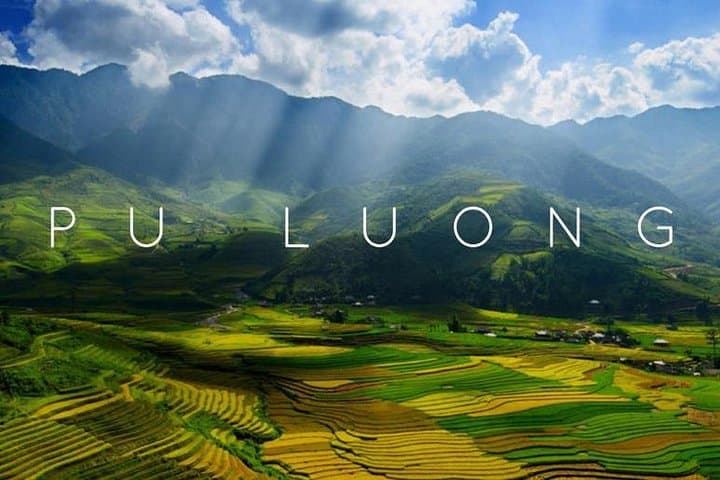

Dawn breaks across a slope of rice terraces as the first day’s trek drops into a village of Black Thai stilt houses; the air smells of damp earth and wood smoke, and a narrow trail threads between paddies and jungle. Over three days the route shifts from shaded limestone ridges and terraced fields in Pu Luong to the karst-choked waterways of Ninh Binh, with cycling lanes and a serene boat ride through Trang An’s cave tunnels.
Dawn breaks across a slope of rice terraces as the first day’s trek drops into a village of Black Thai stilt houses; the air smells of damp earth and wood smoke, and a narrow trail threads between paddies and jungle. Over three days the route shifts from shaded limestone ridges and terraced fields in Pu Luong to the karst-choked waterways of Ninh Binh, with cycling lanes and a serene boat ride through Trang An’s cave tunnels.
Pu Luong Nature Reserve sits on the edge of Thanh Hoa’s limestone belt; its geology produces steep valley walls, natural springs and caves used for generations by local Thai and Muong communities. Hoa Lu’s temples and the Trang An complex reflect Vietnam’s 10th-century history when early dynasties made the karst basin a strategic seat of power.
Expect dry, stepped trails, a few steep ascents and bamboo bridges, plus a short bamboo-boat crossing at day’s end. Culture is part of the route: villagers still manage rice terraces with water wheels and traditional houses. Guides typically lead treks and provide insight into farming rhythms and local customs.
Practical guidance: travel light with a daypack, carry 2+ liters of water and rain protection during the monsoon months, and wear grippy trail shoes for wet limestone. Start hikes in the morning to avoid heat and to catch late-afternoon light on terraces. The trip suits anyone with moderate fitness comfortable walking 4–6 hours across uneven ground and short stretches of climbing.