THE ADVENTURE COLLECTIVE® · Independent discovery and booking for outdoor travel

A compact three-day loop linking Pu Luong’s terraces with Ninh Binh’s karst waterways: trekking, bamboo rafting, village visits and a UNESCO boat tour. Expect easy-to-moderate trails, authentic hill-tribe culture and a mix of lodge comforts and outdoors time.
A compact three-day loop linking Pu Luong’s terraces with Ninh Binh’s karst waterways: trekking, bamboo rafting, village visits and a UNESCO boat tour. Expect easy-to-moderate trails, authentic hill-tribe culture and a mix of lodge comforts and outdoors time.
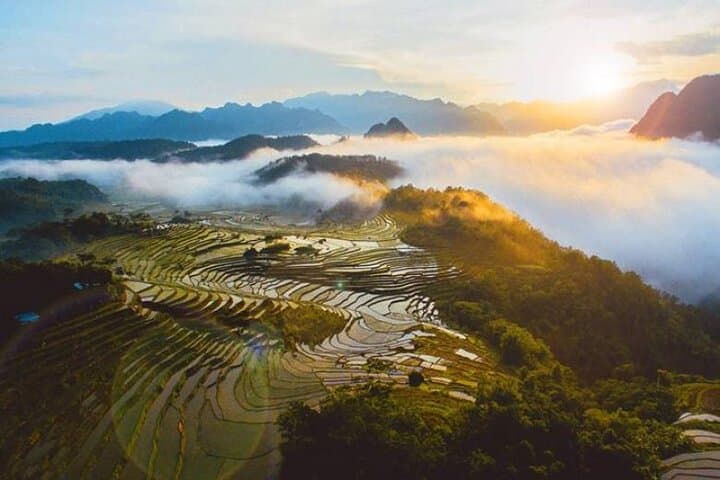
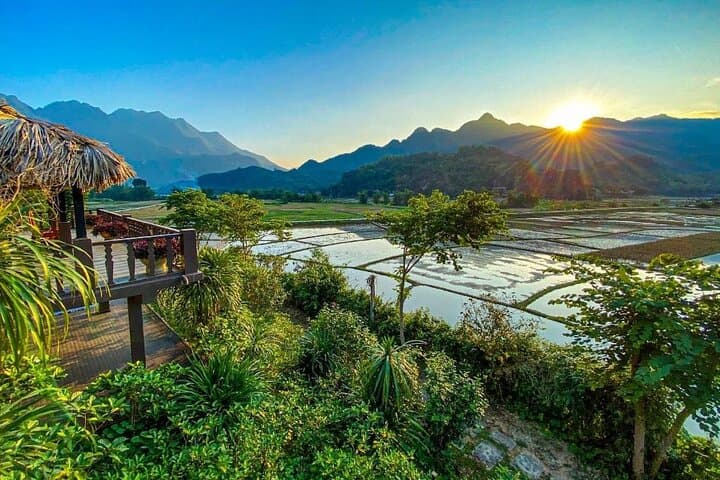
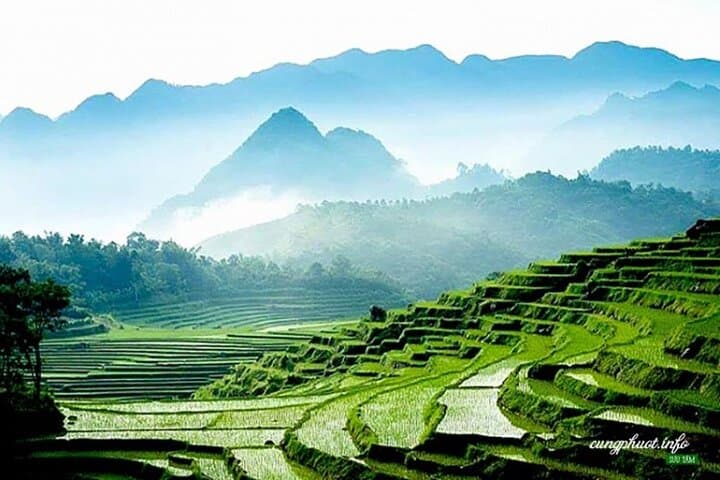
Morning mist peels off the rice terraces as the group slips from an eco-lodge terrace into a narrow trail. The first day’s trek crosses a hanging bridge over the Cham River, bamboo waterwheels turning like quiet machines of irrigation, then eases into a bamboo raft that nudges beside stilt houses. Pu Luong’s ridges climb and fall; the land feels alive underfoot and the valley below keeps its slow pace.
Verified experiences and guided adventures in the surrounding area.
Operated by Vietnam Travel with Us · Quan Hoa, Thanh Hoa Province
Morning mist peels off the rice terraces as the group slips from an eco-lodge terrace into a narrow trail. The first day’s trek crosses a hanging bridge over the Cham River, bamboo waterwheels turning like quiet machines of irrigation, then eases into a bamboo raft that nudges beside stilt houses. Pu Luong’s ridges climb and fall; the land feels alive underfoot and the valley below keeps its slow pace.
Geologically, Pu Luong sits on limestone and sandstone folds that create steep terraces and caves; nearby Ninh Binh is famous for its karst towers and cave-carved waterways at Trang An. Culturally the route visits Thai hill-tribe villages—their clap dances and bamboo craft reveal agricultural traditions that shaped the terraces and waterwheels you’ll see.
Across three days expect varied terrain: village lanes, terrace edges, easy to moderate ridge paths, a short cave visit, and a flat cycling segment to Hoa Lu’s ancient temples. Weather shifts fast in northern Vietnam—mornings are cool, afternoons humid. Guides handle logistics and local transfers; accommodations range from a cozy eco-retreat with a pool in Pu Luong to a countryside ecolodge in Ninh Binh.
Practical tips: travel light, pack a waterproof layer and sturdy shoes for slick trail sections, and bring a headlamp for cave passages. Hydrate often and budget extra time for photo stops—the views are the reason you came. For those wanting a laid-back adventure that mixes trekking, cultural encounters, and a serene boat trip through UNESCO karst scenery, this three-day loop delivers a lot of landscape for the effort.
moderate.
3 days.
Suitable for travelers with basic fitness; involves several hours of walking across uneven terrain and some short climbs.
The itinerary is rated easy-to-moderate with several hours of walking each day over uneven paths; no technical climbing is required but basic fitness helps you enjoy the scenery.
You’ll stay in simple eco-lodges with private rooms; expect comfortable beds, shared or private bathrooms, and at least one lodge with a pool in Pu Luong.
Yes—there are long road transfers between Hanoi, Pu Luong and Ninh Binh, but they’re broken up with scenic stops like Thung Khe Pass and village visits.
Most breakfasts, lunches and dinners are included; local dishes are prepared for tourists and are generally safe, but bring any necessary stomach remedies if you have a sensitive system.
Hoa Lu was Vietnam’s 10th-century capital and nearby temples preserve stone gates and shrines from the Dinh and Le dynasties.
Pu Luong and Trang An are managed with community-based eco-tourism; stick to trails and avoid feeding wildlife to reduce human impact.
Vietnam Travel with Us operates guided outdoor trips and adventures with an emphasis on safety, stewardship, and memorable experiences.

Morning mist peels off the rice terraces as the group slips from an eco-lodge terrace into a narrow trail. The first day’s trek crosses a hanging bridge over the Cham River, bamboo waterwheels turning like quiet machines of irrigation, then eases into a bamboo raft that nudges beside stilt houses. Pu Luong’s ridges climb and fall; the land feels alive underfoot and the valley below keeps its slow pace.
Morning mist peels off the rice terraces as the group slips from an eco-lodge terrace into a narrow trail. The first day’s trek crosses a hanging bridge over the Cham River, bamboo waterwheels turning like quiet machines of irrigation, then eases into a bamboo raft that nudges beside stilt houses. Pu Luong’s ridges climb and fall; the land feels alive underfoot and the valley below keeps its slow pace.
Geologically, Pu Luong sits on limestone and sandstone folds that create steep terraces and caves; nearby Ninh Binh is famous for its karst towers and cave-carved waterways at Trang An. Culturally the route visits Thai hill-tribe villages—their clap dances and bamboo craft reveal agricultural traditions that shaped the terraces and waterwheels you’ll see.
Across three days expect varied terrain: village lanes, terrace edges, easy to moderate ridge paths, a short cave visit, and a flat cycling segment to Hoa Lu’s ancient temples. Weather shifts fast in northern Vietnam—mornings are cool, afternoons humid. Guides handle logistics and local transfers; accommodations range from a cozy eco-retreat with a pool in Pu Luong to a countryside ecolodge in Ninh Binh.
Practical tips: travel light, pack a waterproof layer and sturdy shoes for slick trail sections, and bring a headlamp for cave passages. Hydrate often and budget extra time for photo stops—the views are the reason you came. For those wanting a laid-back adventure that mixes trekking, cultural encounters, and a serene boat trip through UNESCO karst scenery, this three-day loop delivers a lot of landscape for the effort.