THE ADVENTURE COLLECTIVE® · Independent discovery and booking for outdoor travel

Spend two days walking between rice terraces, Thai stilt houses, and limestone caves in Pu Luong Nature Reserve. This short trek pairs accessible village trails with dramatic valley views and a bamboo boat ride for a compact, culturally rich mountain escape.
Spend two days walking between rice terraces, Thai stilt houses, and limestone caves in Pu Luong Nature Reserve. This short trek pairs accessible village trails with dramatic valley views and a bamboo boat ride for a compact, culturally rich mountain escape.
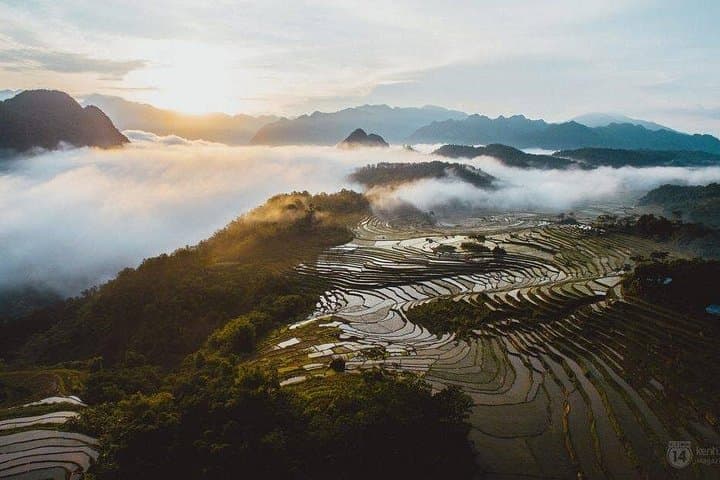
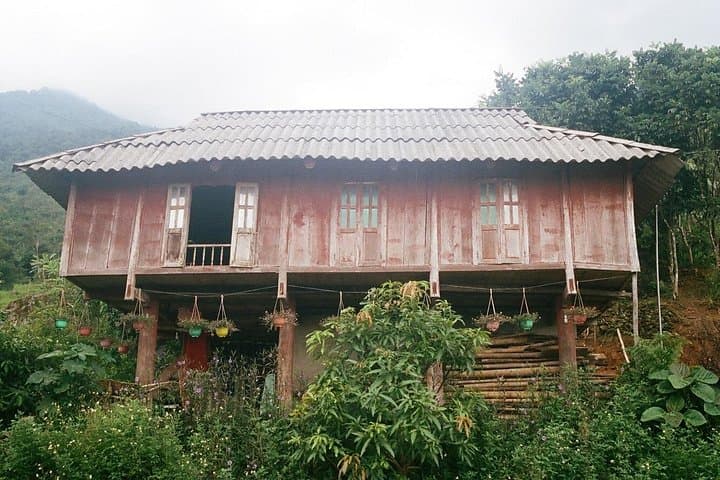
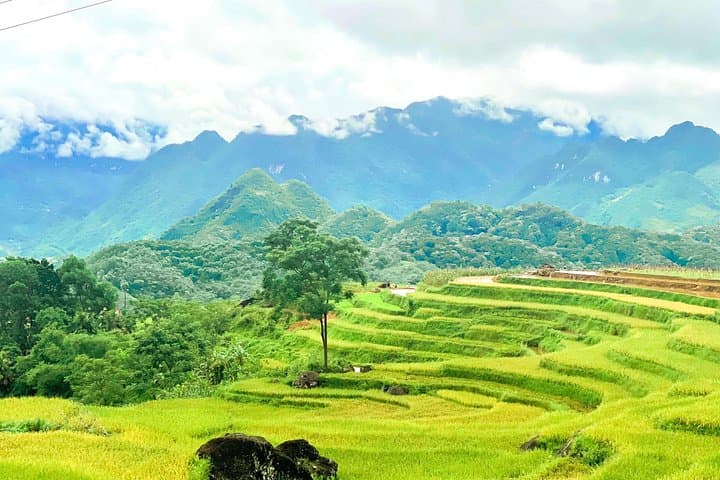
A humid morning light slices across stepped rice fields as a minibus pulls off the main road and the valley exhales. On day one the trail drops and climbs through narrow alleys beside traditional Thai stilt houses, then opens onto sweeping terraces that angle like benches on the mountain. The air smells of wet earth and wood smoke; voices from village children thread across the slopes.
Verified experiences and guided adventures in the surrounding area.
Operated by Eco Travel Go Green VietNam · Pu Luong Nature Reserve, Thanh Hóa Province
A humid morning light slices across stepped rice fields as a minibus pulls off the main road and the valley exhales. On day one the trail drops and climbs through narrow alleys beside traditional Thai stilt houses, then opens onto sweeping terraces that angle like benches on the mountain. The air smells of wet earth and wood smoke; voices from village children thread across the slopes.
Pu Luong sits on limestone ridges and folded sandstone in Thanh Hóa Province. The area’s geology creates steep valleys and caves—Bat Cave figures on many short treks—and the terraces are the result of generations of Thai ethnic farming, who still operate bamboo waterwheels and maintain seasonal irrigation channels. The reserve protects subtropical evergreen forest and karst outcrops, and local homestays anchor the cultural experience.
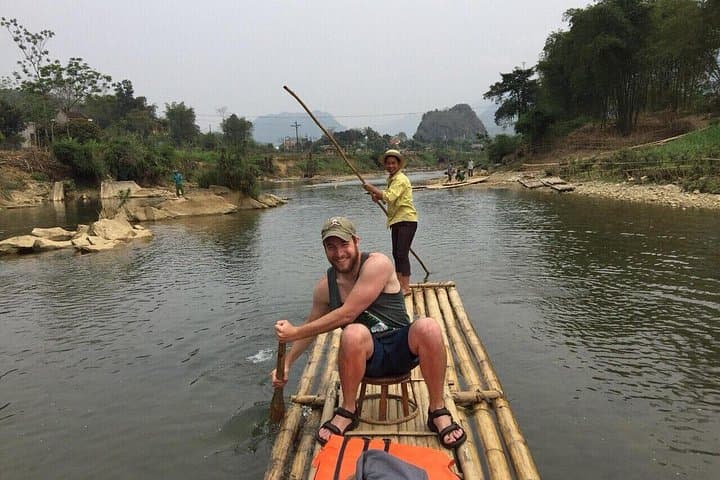
Practically, expect two days of mixed-terrain trekking: narrow village paths, muddy staircases, and occasional steep climbs. Typical daily distances on this style of short tour are roughly 6–10 km with cumulative elevation changes of 300–600 m, depending on route choices. Trails can be slippery after rain; a hanging bridge and a bamboo-boat crossing add variety and photos.
Bring a compact daypack, waterproof layer, sturdy shoes with good tread, and local cash for market purchases. Start early to catch cool air and light on terraces; mid-afternoon storms are common in summer. Guides from the tour manage logistics—transport, meals, and lodging—so most participants focus on walking and village visits. Respect local customs, keep to trails, and leave no trace to help this living landscape endure.
moderate.
2 days (roughly 8–10 hours of walking spread over 2 days).
Suitable for travelers with regular walking fitness who can handle uneven ground and short steep climbs
Moderate fitness is recommended: expect uneven trails, several short steep sections, and up to a few hundred meters of elevation change across the days.
Late autumn and spring offer cooler, drier weather and clearer views; summer has lush green terraces but more frequent rain.
Accommodations on this tour are typically eco-lodges or simple homestays with private or shared rooms—comfortable but modest, focused on local character.
Cave visits are short and usually guided; they can be suitable for older children but check lighting and slipperiness, and supervise small kids closely.
The Thai ethnic communities here have sculpted the terraces for generations; their irrigation techniques and bamboo waterwheels are a living agricultural tradition.
Pu Luong balances tourism with community forestry and homestay income; visitors should minimize waste, stick to trails, and support local operators to keep pressure off fragile slopes.
Eco Travel Go Green VietNam operates guided outdoor trips and adventures with an emphasis on safety, stewardship, and memorable experiences.
A humid morning light slices across stepped rice fields as a minibus pulls off the main road and the valley exhales. On day one the trail drops and climbs through narrow alleys beside traditional Thai stilt houses, then opens onto sweeping terraces that angle like benches on the mountain. The air smells of wet earth and wood smoke; voices from village children thread across the slopes.
A humid morning light slices across stepped rice fields as a minibus pulls off the main road and the valley exhales. On day one the trail drops and climbs through narrow alleys beside traditional Thai stilt houses, then opens onto sweeping terraces that angle like benches on the mountain. The air smells of wet earth and wood smoke; voices from village children thread across the slopes.
Pu Luong sits on limestone ridges and folded sandstone in Thanh Hóa Province. The area’s geology creates steep valleys and caves—Bat Cave figures on many short treks—and the terraces are the result of generations of Thai ethnic farming, who still operate bamboo waterwheels and maintain seasonal irrigation channels. The reserve protects subtropical evergreen forest and karst outcrops, and local homestays anchor the cultural experience.
Practically, expect two days of mixed-terrain trekking: narrow village paths, muddy staircases, and occasional steep climbs. Typical daily distances on this style of short tour are roughly 6–10 km with cumulative elevation changes of 300–600 m, depending on route choices. Trails can be slippery after rain; a hanging bridge and a bamboo-boat crossing add variety and photos.
Bring a compact daypack, waterproof layer, sturdy shoes with good tread, and local cash for market purchases. Start early to catch cool air and light on terraces; mid-afternoon storms are common in summer. Guides from the tour manage logistics—transport, meals, and lodging—so most participants focus on walking and village visits. Respect local customs, keep to trails, and leave no trace to help this living landscape endure.