THE ADVENTURE COLLECTIVE® · Independent discovery and booking for outdoor travel

Trade Hanoi rush for two days of terraces, bamboo waterwheels and village trails in Pu Luong Nature Reserve. This short tour combines moderate trekking, a cave visit, bamboo rafting and an overnight eco-resort stay.
Trade Hanoi rush for two days of terraces, bamboo waterwheels and village trails in Pu Luong Nature Reserve. This short tour combines moderate trekking, a cave visit, bamboo rafting and an overnight eco-resort stay.
Dawn breaks over a slab of terraces, mist unraveling from the valley as a narrow lane leads you past Thai stilt houses and a slow, patient river. On this two-day route through Pu Luong Nature Reserve you move at the speed of the landscape: step by step up ridgelines, across wooden bridges, then down into villages where waterwheels turn and children wave from house thresholds.
Verified experiences and guided adventures in the surrounding area.
Operated by Before2 · Thanh Hoa, Thanh Hóa Province
Dawn breaks over a slab of terraces, mist unraveling from the valley as a narrow lane leads you past Thai stilt houses and a slow, patient river. On this two-day route through Pu Luong Nature Reserve you move at the speed of the landscape: step by step up ridgelines, across wooden bridges, then down into villages where waterwheels turn and children wave from house thresholds.
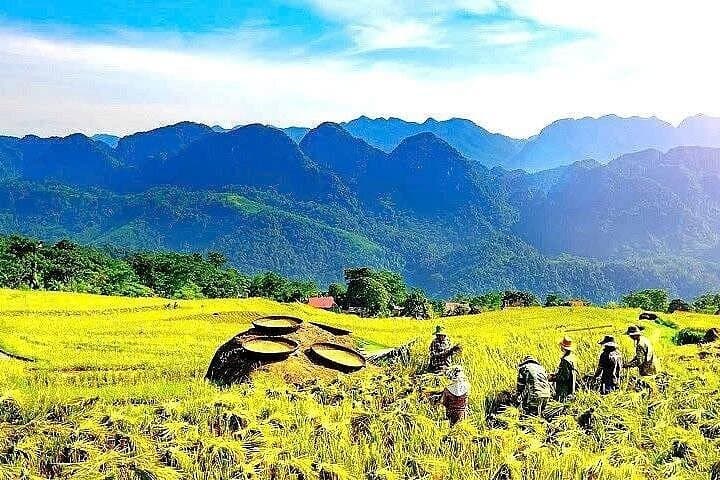
Geology here is limestone karst softened by centuries of terraced wet-rice agriculture; the result is steep slopes cut into layered benches, bamboo groves clinging to ravines and caves carved by underground water. The Thai minority’s agricultural ingenuity is visible in bamboo waterwheels and irrigation channels that channel the rainy season into productive fields. Local culture remains vivid — homestays, traditional houses on stilts, and small-scale farming that fuels the local welcome.
Expect at least moderate trekking: narrow trails, occasional slippery sections, some short steep climbs and village paths underfoot. Highlights include Kho Muong village, a bat cave visit (weather permitting), a hanging bridge over the Chàm/Cham tributary, and a relaxing bamboo raft or boat ride to finish. One night is spent in simple eco-resort accommodation with meals included.
Practical guidance: travel light but bring waterproof layers; start hikes early to avoid midday heat and maximize views; have cash for small village purchases; and respect local customs — ask before photographing people’s homes. Transfers from Hanoi are common; the drive allows a gradual transition from city to remote forest.
moderate.
2 days (approx. 48 hours).
Suitable for travelers with a moderate fitness level who can handle several hours of walking on mixed terrain and short steep sections.
The transfer usually takes about 4–5 hours each way by comfortable minibus, depending on traffic and road conditions.
Children who are used to walking several hours can manage parts of the trek, but steep or slippery sections and cave visits may not be appropriate for very young kids.
Bamboo rafting is weather- and water-level dependent; guides will substitute with riverside walks or boat rides when rafting isn’t safe.
Accommodation is a simple eco-resort or homestay-style lodging with basic amenities, meals included per itinerary; expect local-style comforts rather than boutique hotels.
Pu Luong’s valleys have long been farmed by Thai and Muong communities; terraced rice agriculture and waterwheel technology reflect generations of local adaptation.
The reserve balances community livelihoods and habitat protection; stay on trails, avoid single-use plastics, and support local guides and homestays to keep tourism sustainable.
Before2 operates guided outdoor trips and adventures with an emphasis on safety, stewardship, and memorable experiences.
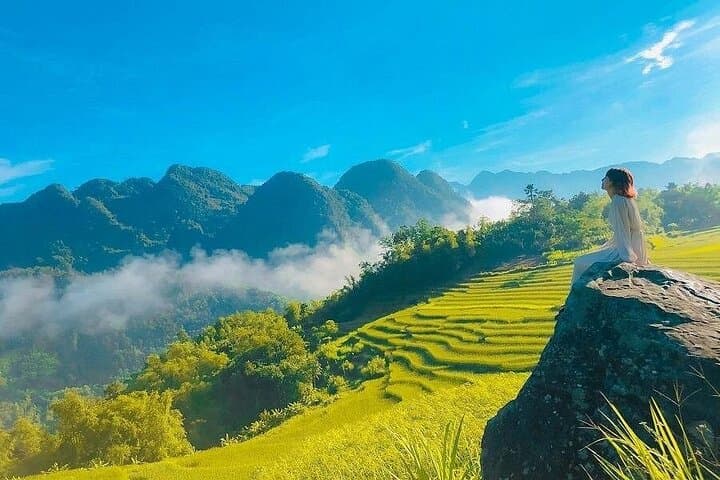

Dawn breaks over a slab of terraces, mist unraveling from the valley as a narrow lane leads you past Thai stilt houses and a slow, patient river. On this two-day route through Pu Luong Nature Reserve you move at the speed of the landscape: step by step up ridgelines, across wooden bridges, then down into villages where waterwheels turn and children wave from house thresholds.
Dawn breaks over a slab of terraces, mist unraveling from the valley as a narrow lane leads you past Thai stilt houses and a slow, patient river. On this two-day route through Pu Luong Nature Reserve you move at the speed of the landscape: step by step up ridgelines, across wooden bridges, then down into villages where waterwheels turn and children wave from house thresholds.
Geology here is limestone karst softened by centuries of terraced wet-rice agriculture; the result is steep slopes cut into layered benches, bamboo groves clinging to ravines and caves carved by underground water. The Thai minority’s agricultural ingenuity is visible in bamboo waterwheels and irrigation channels that channel the rainy season into productive fields. Local culture remains vivid — homestays, traditional houses on stilts, and small-scale farming that fuels the local welcome.
Expect at least moderate trekking: narrow trails, occasional slippery sections, some short steep climbs and village paths underfoot. Highlights include Kho Muong village, a bat cave visit (weather permitting), a hanging bridge over the Chàm/Cham tributary, and a relaxing bamboo raft or boat ride to finish. One night is spent in simple eco-resort accommodation with meals included.
Practical guidance: travel light but bring waterproof layers; start hikes early to avoid midday heat and maximize views; have cash for small village purchases; and respect local customs — ask before photographing people’s homes. Transfers from Hanoi are common; the drive allows a gradual transition from city to remote forest.