THE ADVENTURE COLLECTIVE® · Independent discovery and booking for outdoor travel

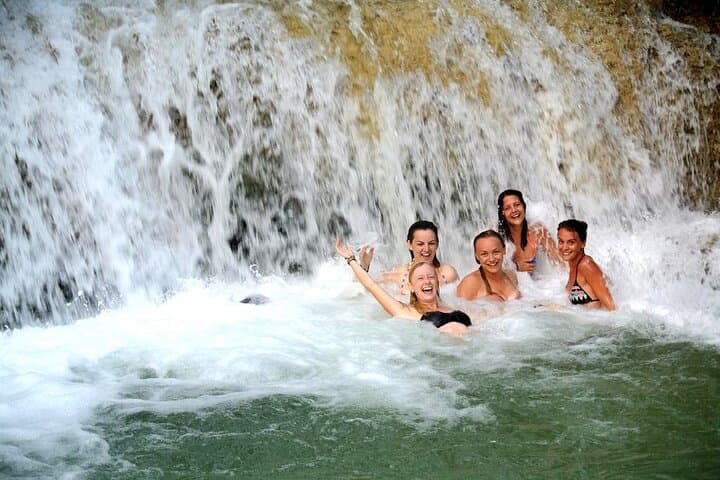
Spend two days walking limestone ridges, visiting Kho Muong village and swimming under a Pu Luong waterfall. This compact trek blends scenic viewpoints, ethnic homestays, and simple, eco-minded accommodations.
Spend two days walking limestone ridges, visiting Kho Muong village and swimming under a Pu Luong waterfall. This compact trek blends scenic viewpoints, ethnic homestays, and simple, eco-minded accommodations.
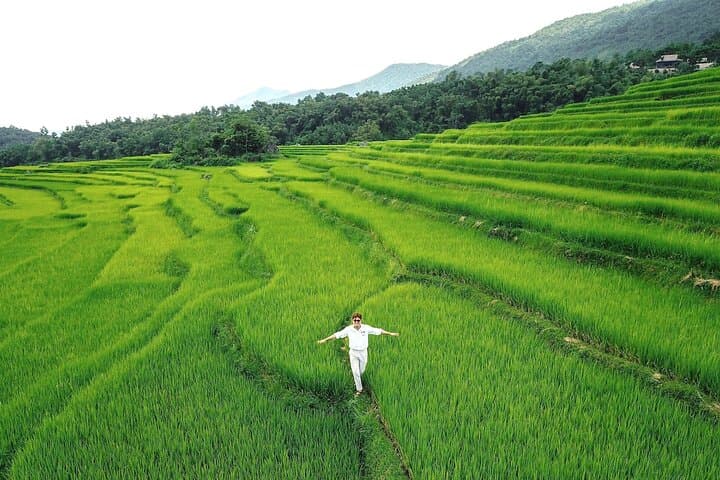
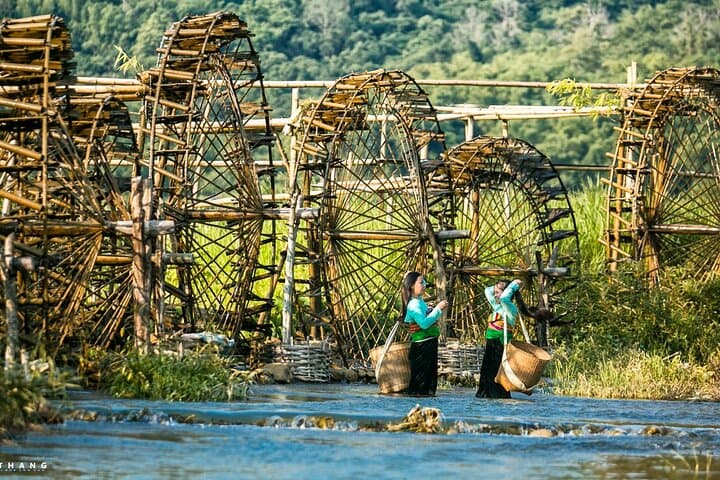
Morning mist lifts off the rice terraces as you step from a low wooden homestay into a narrow alley framed by stilt houses and sugarcane. The air is cool and green; limestone fins loom like folded pages, and the pathways run along irrigation channels that still turn the bamboo waterwheels by hand.
Verified experiences and guided adventures in the surrounding area.
Operated by Charm Tourist · Pu Luong, Thanh Hóa
Morning mist lifts off the rice terraces as you step from a low wooden homestay into a narrow alley framed by stilt houses and sugarcane. The air is cool and green; limestone fins loom like folded pages, and the pathways run along irrigation channels that still turn the bamboo waterwheels by hand.
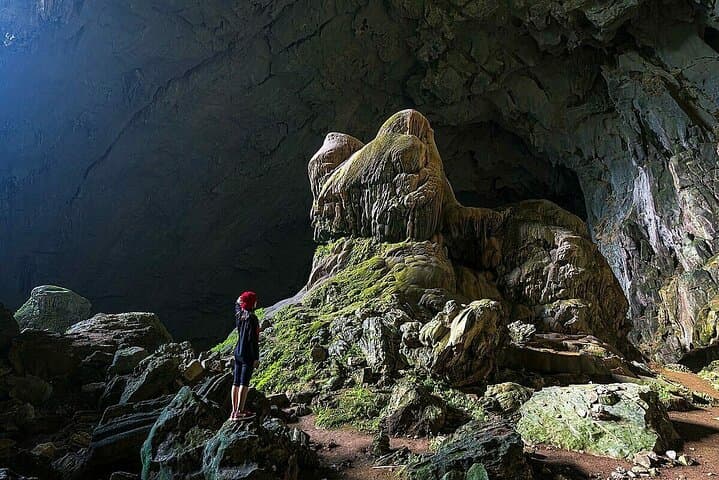
Pu Luong sits on the edge of the Red River Delta’s uplifted karst belt. Centuries of people—chiefly Thai and Muong communities—have carved stepped paddies into steep slopes, shaping both the landscape and local life. The area’s geology is dominated by limestone ridges and caves; in places you can see cave mouths cut into sheer walls and terraces clinging to near-vertical ground.
Culturally, the reserve is as much village as wilderness: homestays and small markets pulse with daily rhythms, and traditional techniques—bamboo waterwheels, terraced rice planting—are common sights. The tour pairs short ridge-top treks, a visit to Kho Muong village and Bat Cave, and a waterfall swim followed by a garden-to-table lunch at a Thai homestay.
Practical guidance: expect uneven dirt tracks and steady ascents and descents—good footwear matters. Carry layered rain protection; sudden tropical showers are frequent. The first afternoon’s 2–4 hour trek is vantage-rich but can be slippery after rain. On day two, plan for river crossings, a hanging bridge, and a relaxed bamboo-boat finish before the return to Hanoi. Hydrate, keep cash for small purchases, and respect private farm areas and local customs when photographing residents.
moderate.
2 days (trek segments 3–5 hours total).
Suitable for travelers in reasonably active condition who can manage uneven paths and short uphill sections.
The itinerary is labeled easy-to-moderate: daily treks are short (typically 2–4 hours) on uneven trails with some climbs—no technical skills required.
Bat Cave access depends on weather and local conditions; guides will decide on-site for safety and conservation reasons.
English-speaking local guides are provided, but basic Vietnamese/Thai phrases among hosts are common—consider a phrase list or translator app.
Meals are locally prepared; inform the operator of dietary needs in advance so homestays and providers can accommodate where possible.
The area has long been farmed by Thai ethnic communities who developed terrace agriculture adapted to steep limestone slopes.
Pu Luong is a protected reserve that balances small-scale agriculture and community-based tourism; visitors should stick to trails and avoid disturbing fields and wildlife.
Charm Tourist operates guided outdoor trips and adventures with an emphasis on safety, stewardship, and memorable experiences.
Morning mist lifts off the rice terraces as you step from a low wooden homestay into a narrow alley framed by stilt houses and sugarcane. The air is cool and green; limestone fins loom like folded pages, and the pathways run along irrigation channels that still turn the bamboo waterwheels by hand.
Morning mist lifts off the rice terraces as you step from a low wooden homestay into a narrow alley framed by stilt houses and sugarcane. The air is cool and green; limestone fins loom like folded pages, and the pathways run along irrigation channels that still turn the bamboo waterwheels by hand.
Pu Luong sits on the edge of the Red River Delta’s uplifted karst belt. Centuries of people—chiefly Thai and Muong communities—have carved stepped paddies into steep slopes, shaping both the landscape and local life. The area’s geology is dominated by limestone ridges and caves; in places you can see cave mouths cut into sheer walls and terraces clinging to near-vertical ground.
Culturally, the reserve is as much village as wilderness: homestays and small markets pulse with daily rhythms, and traditional techniques—bamboo waterwheels, terraced rice planting—are common sights. The tour pairs short ridge-top treks, a visit to Kho Muong village and Bat Cave, and a waterfall swim followed by a garden-to-table lunch at a Thai homestay.
Practical guidance: expect uneven dirt tracks and steady ascents and descents—good footwear matters. Carry layered rain protection; sudden tropical showers are frequent. The first afternoon’s 2–4 hour trek is vantage-rich but can be slippery after rain. On day two, plan for river crossings, a hanging bridge, and a relaxed bamboo-boat finish before the return to Hanoi. Hydrate, keep cash for small purchases, and respect private farm areas and local customs when photographing residents.