THE ADVENTURE COLLECTIVE® · Independent discovery and booking for outdoor travel

A five-day trek through Pu Luong Nature Reserve pairs steep karst climbs with multiday homestays among Thai and Muong communities. Expect river boats, rice terraces, cave visits and challenging days on trails that reward effort with sweeping valley views and local hospitality.
A five-day trek through Pu Luong Nature Reserve pairs steep karst climbs with multiday homestays among Thai and Muong communities. Expect river boats, rice terraces, cave visits and challenging days on trails that reward effort with sweeping valley views and local hospitality.
The first light catches the limestone spines of Pu Luong like a hand running along piano keys. You leave Hanoi’s humidity and traffic behind on a two- to three-hour drive that stretches into a slow panorama: rice paddies folding into valleys, tile-roofed stilt houses, a river that dares you to slow down. By afternoon the tour’s pace shifts from road to river—a short boat on the Ma River—then to boots on mud as you take your first steps into a living landscape shaped by water, people and karst.
Verified experiences and guided adventures in the surrounding area.
Operated by Authentic MAI CHAU · Mai Chau, Hoa Binh
The first light catches the limestone spines of Pu Luong like a hand running along piano keys. You leave Hanoi’s humidity and traffic behind on a two- to three-hour drive that stretches into a slow panorama: rice paddies folding into valleys, tile-roofed stilt houses, a river that dares you to slow down. By afternoon the tour’s pace shifts from road to river—a short boat on the Ma River—then to boots on mud as you take your first steps into a living landscape shaped by water, people and karst.
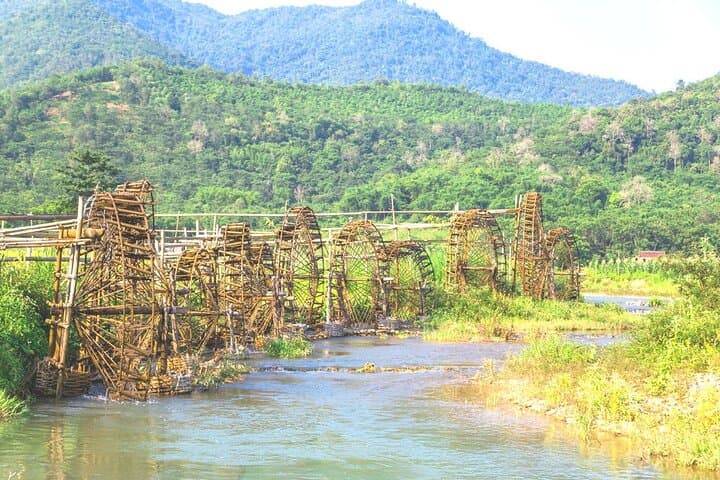
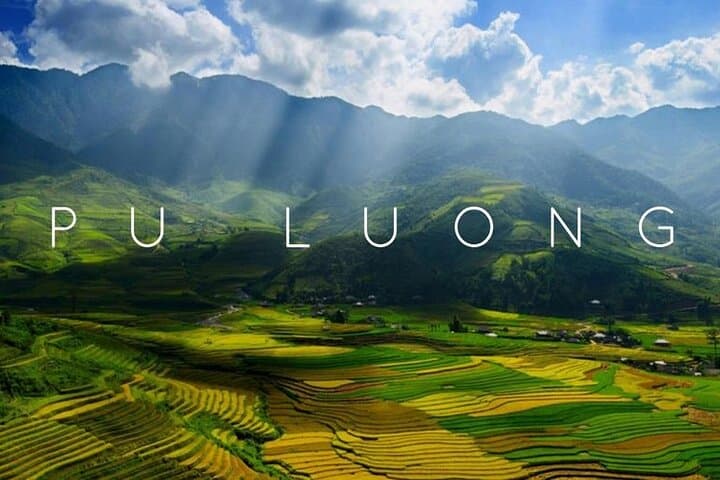
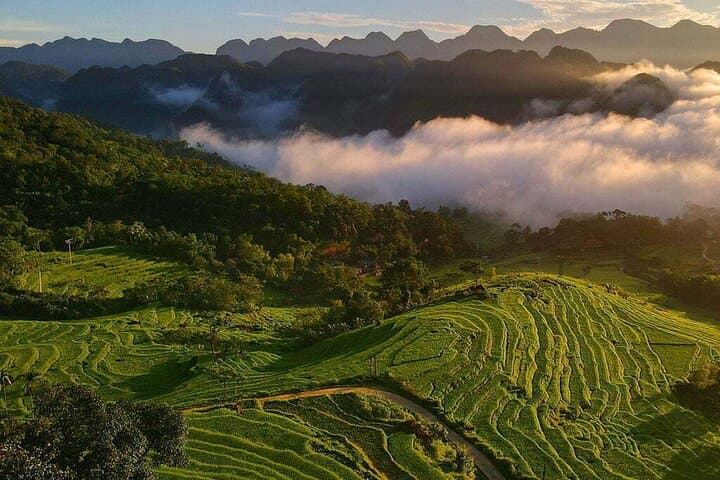
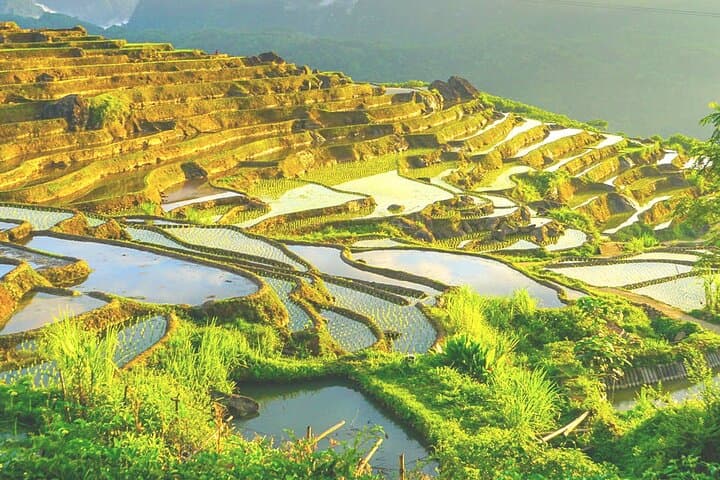
Pu Luong Nature Reserve runs along twin karst ridgelines broken by narrow valleys and scalloped terraces. Geologically, the area is young limestone pushed up and cut by monsoon rivers; the result is steep cliffs, pocketed caves and fast-draining soils where rice terraces cling like green scales. Culturally, this corridor has been home to Thai and Muong communities for centuries. Villages such as Eo Ken, Kho Muong, Hin, Son and Ton continue traditional farming rhythms—buffalo hauling, bamboo wheel-crafting and meals shared on low wooden tables.
This package unfolds over five days and four nights of walking, homestays and short transfers. Expect daily hikes of roughly 8–15 km, with active sections of 3–8 hours; some ascents are steep and intermittent elevation gain can reach 400–700 m on the hardest days. Trails shift from packed dirt between terraces to jungle tracks through lowland tropical forest; stream crossings are frequent and a few remote caves—now protected—reward the effort.
Your accommodation is chiefly local homestays: traditional Thai houses on stilts where evenings are slow, communal and often lit by simple lamps. Guides translate, introduce you to daily chores, and help prepare picnic lunches when the trail thins out.
Practical guide: travel light but prepared. Waterproof footwear with good tread and ankle support is essential; expect mud after rain and slippery stones at stream crossings. Carry at least 2–3 liters of water per day, a lightweight rain shell, insect repellent and cash (villages are cash-only). Plan for early starts—treks commonly begin at 8:00 a.m.—and give yourself an extra day in Hanoi before or after the tour for travel buffer. Respect homestay etiquette: remove shoes before entering, accept local food and ask before photographing portraits.
For adventurous travelers ready to trade city rhythm for carved terraces, the Pu Luong trek offers a clear trade: hard walking, steady rewards. You come back with rice-streaked boots, new acquaintances in steep-shouldered villages, and a better sense of how landscape and culture are braided together here.
challenging.
5 days, 4 nights (daily hikes 3–8 hours).
Require good aerobic fitness and experience with full-day hikes; able to manage steep climbs and uneven terrain for consecutive days.
You should have a moderate-to-high fitness level and be comfortable hiking 5–8 hours on uneven terrain; some days include steep climbs and multiple days in a row.
Homestays are rustic traditional Thai houses on stilts with simple bedding and shared facilities—expect basic comfort and warm hospitality.
Meals indicated in the itinerary are provided; carry 2–3 liters of water daily, a reusable bottle, snacks and any personal dietary items.
Facilities are basic in villages; expect squat toilets or shared bathrooms in homestays and limited options while trekking—bring hand sanitizer and toilet paper.
The tour is guided and private transfers are included; solo travelers are welcome but should be comfortable with remote sections and basic homestay conditions.
No special permits are required beyond any national entry requirements; check routine travel vaccinations and consult health advisors for up-to-date recommendations.
The Thai and Muong peoples have farmed these valleys for centuries; terraces and stilt houses reflect a long practice of rice cultivation in flood-prone limestone terrain.
Pu Luong is a protected reserve—stick to marked paths, avoid single-use plastics, and support local homestays which fund community-based conservation.
Authentic MAI CHAU operates guided outdoor trips and adventures with an emphasis on safety, stewardship, and memorable experiences.
The first light catches the limestone spines of Pu Luong like a hand running along piano keys. You leave Hanoi’s humidity and traffic behind on a two- to three-hour drive that stretches into a slow panorama: rice paddies folding into valleys, tile-roofed stilt houses, a river that dares you to slow down. By afternoon the tour’s pace shifts from road to river—a short boat on the Ma River—then to boots on mud as you take your first steps into a living landscape shaped by water, people and karst.
The first light catches the limestone spines of Pu Luong like a hand running along piano keys. You leave Hanoi’s humidity and traffic behind on a two- to three-hour drive that stretches into a slow panorama: rice paddies folding into valleys, tile-roofed stilt houses, a river that dares you to slow down. By afternoon the tour’s pace shifts from road to river—a short boat on the Ma River—then to boots on mud as you take your first steps into a living landscape shaped by water, people and karst.
Pu Luong Nature Reserve runs along twin karst ridgelines broken by narrow valleys and scalloped terraces. Geologically, the area is young limestone pushed up and cut by monsoon rivers; the result is steep cliffs, pocketed caves and fast-draining soils where rice terraces cling like green scales. Culturally, this corridor has been home to Thai and Muong communities for centuries. Villages such as Eo Ken, Kho Muong, Hin, Son and Ton continue traditional farming rhythms—buffalo hauling, bamboo wheel-crafting and meals shared on low wooden tables.
This package unfolds over five days and four nights of walking, homestays and short transfers. Expect daily hikes of roughly 8–15 km, with active sections of 3–8 hours; some ascents are steep and intermittent elevation gain can reach 400–700 m on the hardest days. Trails shift from packed dirt between terraces to jungle tracks through lowland tropical forest; stream crossings are frequent and a few remote caves—now protected—reward the effort.
Your accommodation is chiefly local homestays: traditional Thai houses on stilts where evenings are slow, communal and often lit by simple lamps. Guides translate, introduce you to daily chores, and help prepare picnic lunches when the trail thins out.
Practical guide: travel light but prepared. Waterproof footwear with good tread and ankle support is essential; expect mud after rain and slippery stones at stream crossings. Carry at least 2–3 liters of water per day, a lightweight rain shell, insect repellent and cash (villages are cash-only). Plan for early starts—treks commonly begin at 8:00 a.m.—and give yourself an extra day in Hanoi before or after the tour for travel buffer. Respect homestay etiquette: remove shoes before entering, accept local food and ask before photographing portraits.
For adventurous travelers ready to trade city rhythm for carved terraces, the Pu Luong trek offers a clear trade: hard walking, steady rewards. You come back with rice-streaked boots, new acquaintances in steep-shouldered villages, and a better sense of how landscape and culture are braided together here.