THE ADVENTURE COLLECTIVE® · Independent discovery and booking for outdoor travel

Walk the streets where ideas about mind and medicine evolved. This two‑hour Upper East Side tour maps asylums, psychoanalytic brownstones, and medical institutes that shaped modern psychiatry.
Walk the streets where ideas about mind and medicine evolved. This two‑hour Upper East Side tour maps asylums, psychoanalytic brownstones, and medical institutes that shaped modern psychiatry.
You step off the Lexington Avenue subway and the street seems to open like a ledger of ideas—the river daring you at John Finley Walk, brick façades that once housed clinics and clinics that quietly shaped modern psychiatry.
Verified experiences and guided adventures in the surrounding area.
Operated by Purefinder New York · New York, NY
You step off the Lexington Avenue subway and the street seems to open like a ledger of ideas—the river daring you at John Finley Walk, brick façades that once housed clinics and clinics that quietly shaped modern psychiatry.
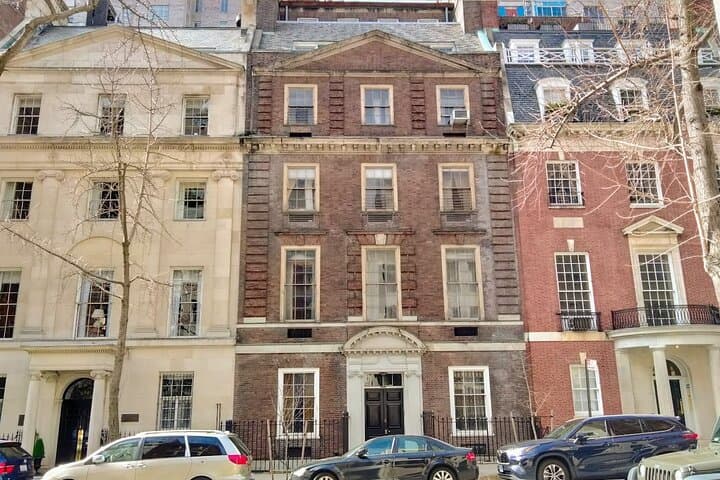
This two-hour walking tour threads the Upper East Side’s institutional addresses and domestic streets to trace two centuries of mental-health care: 19th-century dispensaries and neurological institutes, the rise of psychoanalysis in early 20th-century brownstones, and later pharmaceutical and social-care shifts. The geology underfoot is Manhattan schist—an unglamorous but steady bedrock that allowed hospitals and armories to anchor here and that shaped the neighborhood’s built form.
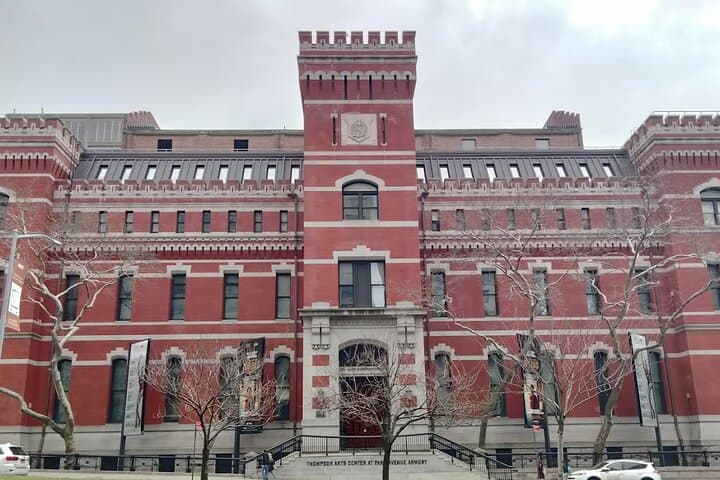
Culturally, the route moves through Yorkville’s German-American markers, academic corridors near Hunter College, and the private clinics where clinicians debated mind and morality. Expect architectural notes—the Park Avenue Armory, Tillinghast House—and small public artworks like the Yorkville Glockenspiel that wink at the area’s immigrant past.
Practically, the tour is mostly flat city pavement with frequent stops and seating nearby. Guides point out archival plaques and doorways rather than museum interiors; wear supportive shoes and plan for Manhattan pedestrian traffic. Transit options are plentiful—subway and buses—so arrive 10–15 minutes early. Groups are small; the pace is conversational and accessible for most fitness levels. Bring water, weather-appropriate layers, and curiosity: the neighborhood’s stories are as much about shifting ideas as they are about the buildings that held them.
easy.
2 hours.
Suitable for most fitness levels; requires standing and walking on flat pavement for up to two hours.
Most of the route is on flat sidewalks and is generally accessible, but some stops may require minor curb navigation—contact the operator ahead to confirm accommodations.
The tour focuses on exterior architecture, plaques, and street-level histories; interior access is not typically included.
Older children with interest in history can engage, but the material covers sensitive topics and the pace suits ages ~12 and up.
Full refund available if you cancel at least 24 hours before departure; check your booking confirmation for specifics.
The Upper East Side hosted early neurological institutes and private psychoanalytic practices that helped professionalize psychiatry in the U.S., with notable institutions around East 67th–82nd Streets.
Small-group walking tours reduce footprint, but respect for residents and low-noise conduct preserves neighborhood character; avoid leaving materials or litter.
Purefinder New York operates guided outdoor trips and adventures with an emphasis on safety, stewardship, and memorable experiences.
You step off the Lexington Avenue subway and the street seems to open like a ledger of ideas—the river daring you at John Finley Walk, brick façades that once housed clinics and clinics that quietly shaped modern psychiatry.
You step off the Lexington Avenue subway and the street seems to open like a ledger of ideas—the river daring you at John Finley Walk, brick façades that once housed clinics and clinics that quietly shaped modern psychiatry.
This two-hour walking tour threads the Upper East Side’s institutional addresses and domestic streets to trace two centuries of mental-health care: 19th-century dispensaries and neurological institutes, the rise of psychoanalysis in early 20th-century brownstones, and later pharmaceutical and social-care shifts. The geology underfoot is Manhattan schist—an unglamorous but steady bedrock that allowed hospitals and armories to anchor here and that shaped the neighborhood’s built form.
Culturally, the route moves through Yorkville’s German-American markers, academic corridors near Hunter College, and the private clinics where clinicians debated mind and morality. Expect architectural notes—the Park Avenue Armory, Tillinghast House—and small public artworks like the Yorkville Glockenspiel that wink at the area’s immigrant past.
Practically, the tour is mostly flat city pavement with frequent stops and seating nearby. Guides point out archival plaques and doorways rather than museum interiors; wear supportive shoes and plan for Manhattan pedestrian traffic. Transit options are plentiful—subway and buses—so arrive 10–15 minutes early. Groups are small; the pace is conversational and accessible for most fitness levels. Bring water, weather-appropriate layers, and curiosity: the neighborhood’s stories are as much about shifting ideas as they are about the buildings that held them.