THE ADVENTURE COLLECTIVE® · Independent discovery and booking for outdoor travel

Drive into Crete’s highlands on a day tour that pairs off-road ascents across the Psiloritis massif with a visit to the stalactite chambers of Sfendoni Cave and traditional village life. Expect panoramic ridgelines, cave chambers, and a hearty Cretan lunch.
Drive into Crete’s highlands on a day tour that pairs off-road ascents across the Psiloritis massif with a visit to the stalactite chambers of Sfendoni Cave and traditional village life. Expect panoramic ridgelines, cave chambers, and a hearty Cretan lunch.
The day opens with engine rumble and dust: a 4x4 peels away from the coastal plain and begins the climb into Psiloritis, Crete’s central spine. Pine-scented air tightens as the road gives way to unpaved switchbacks and broad views unfurl — terraces, scattered villages, and the blue of the Aegean pressing the horizon.
Verified experiences and guided adventures in the surrounding area.
Operated by Safari Experts Crete · Zoniana, Crete
The day opens with engine rumble and dust: a 4x4 peels away from the coastal plain and begins the climb into Psiloritis, Crete’s central spine. Pine-scented air tightens as the road gives way to unpaved switchbacks and broad views unfurl — terraces, scattered villages, and the blue of the Aegean pressing the horizon.
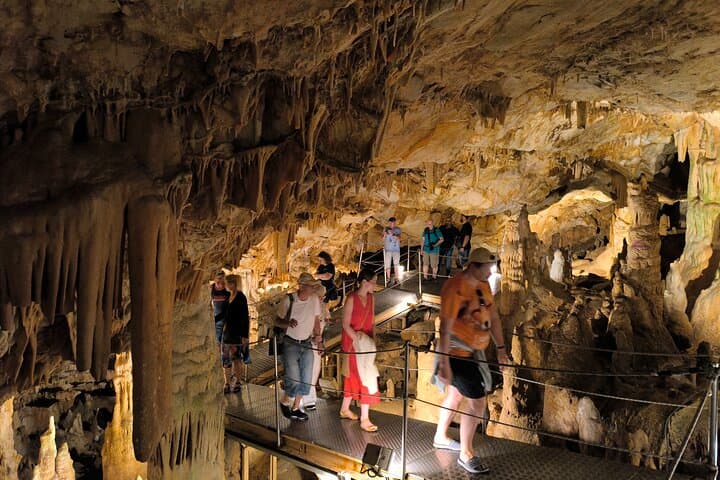
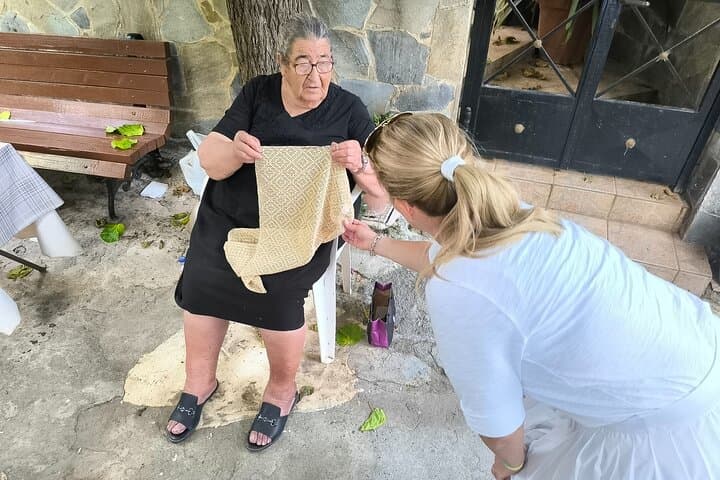
Psiloritis (Mount Ida) is a geological book of limestone and karst: ancient seabed uplifted and carved into ridges, plateaus and caves. The tour threads through villages where shepherding, weaving and raki still shape daily life — Anogia’s narrow streets, the stone squares of Zoniana, and Fodele, the birthplace of El Greco. Sfendoni Cave in Zoniana offers a cool counterpoint: a chambered world of stalactites and stalagmites that grew drop by drop over millennia.
Culturally, the route is simple and honest: tavern tables heavy with slow-cooked lamb, local cheeses and robust wines; talking to locals often reveals family histories tied to the mountain’s past. The UNESCO Global Geopark designation highlights both geological value and fragile ecosystems; visitors are asked to stay on trails and limit disturbance.
Practically, expect multiple short walks on uneven ground, optional cave admission, and photo stops at viewpoints over Agia Pelagia. The day fits a broad range of fitness levels but bring comfortable walking shoes, sun protection and a light jacket for higher elevations. Timing mid-morning to late afternoon gives the best light on the ridgelines and leaves time for a relaxed village lunch.
easy.
8 hours.
Suitable for most fitness levels — light walking and short uneven sections; not strenuous.
The full tour is about 8 hours; typical departures are mid-morning from Heraklion or nearby pickup points — check your booking for exact times.
Cave admission is not included; a small on-site fee applies (approximately €6 adults, €4 children) and may be paid in cash.
The tour is described as suitable for most physical levels and offers vehicle accessibility, but cave passages and short village walks require mobility — contact the operator for wheelchair-specific arrangements.
Lunch with wine and water is included; inform the operator of dietary restrictions when booking so they can accommodate allergies or preferences.
Psiloritis has mythic resonance in Cretan lore (nearby Idaion Andron is linked to Zeus) and Fodele claims ties to El Greco’s early life; villages preserve long-standing pastoral and weaving traditions.
The Psiloritis area is part of a UNESCO Global Geopark — stick to marked tracks, avoid collecting geological specimens, and minimize waste to protect fragile karst ecosystems.
Safari Experts Crete operates guided outdoor trips and adventures with an emphasis on safety, stewardship, and memorable experiences.
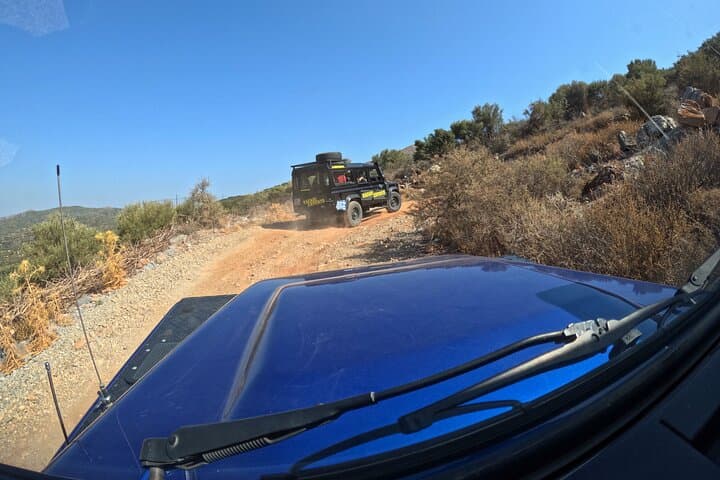
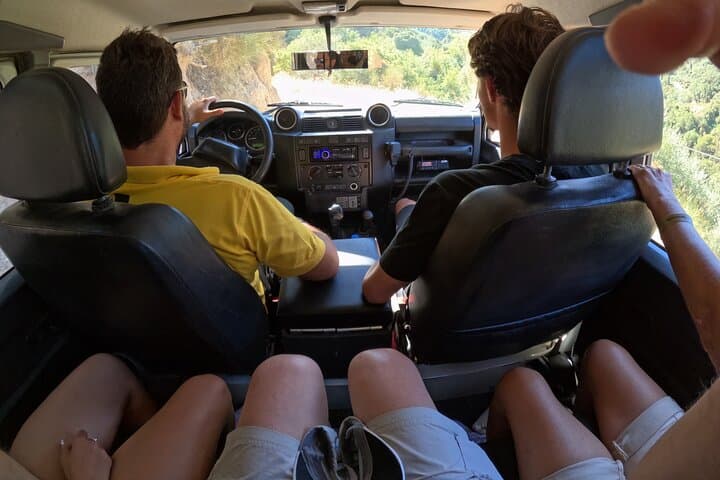
The day opens with engine rumble and dust: a 4x4 peels away from the coastal plain and begins the climb into Psiloritis, Crete’s central spine. Pine-scented air tightens as the road gives way to unpaved switchbacks and broad views unfurl — terraces, scattered villages, and the blue of the Aegean pressing the horizon.
The day opens with engine rumble and dust: a 4x4 peels away from the coastal plain and begins the climb into Psiloritis, Crete’s central spine. Pine-scented air tightens as the road gives way to unpaved switchbacks and broad views unfurl — terraces, scattered villages, and the blue of the Aegean pressing the horizon.
Psiloritis (Mount Ida) is a geological book of limestone and karst: ancient seabed uplifted and carved into ridges, plateaus and caves. The tour threads through villages where shepherding, weaving and raki still shape daily life — Anogia’s narrow streets, the stone squares of Zoniana, and Fodele, the birthplace of El Greco. Sfendoni Cave in Zoniana offers a cool counterpoint: a chambered world of stalactites and stalagmites that grew drop by drop over millennia.
Culturally, the route is simple and honest: tavern tables heavy with slow-cooked lamb, local cheeses and robust wines; talking to locals often reveals family histories tied to the mountain’s past. The UNESCO Global Geopark designation highlights both geological value and fragile ecosystems; visitors are asked to stay on trails and limit disturbance.
Practically, expect multiple short walks on uneven ground, optional cave admission, and photo stops at viewpoints over Agia Pelagia. The day fits a broad range of fitness levels but bring comfortable walking shoes, sun protection and a light jacket for higher elevations. Timing mid-morning to late afternoon gives the best light on the ridgelines and leaves time for a relaxed village lunch.