THE ADVENTURE COLLECTIVE® · Independent discovery and booking for outdoor travel

Visit Proyecto Asis outside La Fortuna to see rescued Costa Rican wildlife up close and learn how rehabilitated animals are prepared for release. This guided day visit mixes education, light volunteer tasks and responsible wildlife viewing.
Visit Proyecto Asis outside La Fortuna to see rescued Costa Rican wildlife up close and learn how rehabilitated animals are prepared for release. This guided day visit mixes education, light volunteer tasks and responsible wildlife viewing.
You step off the shuttle into humid air punctuated by the sharp calls of toucans and the slow blink of a brown-throated sloth in the canopy above. Proyecto Asis feels active rather than theatrical: enclosures, rehabilitation pools, and a small clinic where staff move purposefully, tending to birds, monkeys and reptiles rescued from roadways, illegal capture or habitat loss.
Verified experiences and guided adventures in the surrounding area.
Operated by Tico Paradise Costa Rica · La Fortuna, Alajuela
You step off the shuttle into humid air punctuated by the sharp calls of toucans and the slow blink of a brown-throated sloth in the canopy above. Proyecto Asis feels active rather than theatrical: enclosures, rehabilitation pools, and a small clinic where staff move purposefully, tending to birds, monkeys and reptiles rescued from roadways, illegal capture or habitat loss.
The center sits in the volcanic foothills that feed the Arenal watershed—red volcanic soils and secondary rainforest that define much of northern Costa Rica. Proyecto Asis grew from local rescue efforts and today works with government agencies and NGOs to rehabilitate animals and, when possible, reintroduce them to forest fragments. The program also reflects Costa Rica’s broader conservation culture: protection, public education and careful human-wildlife interaction.
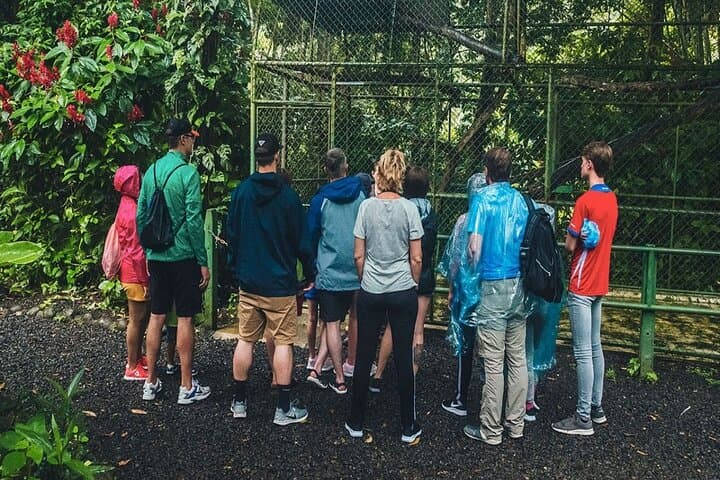
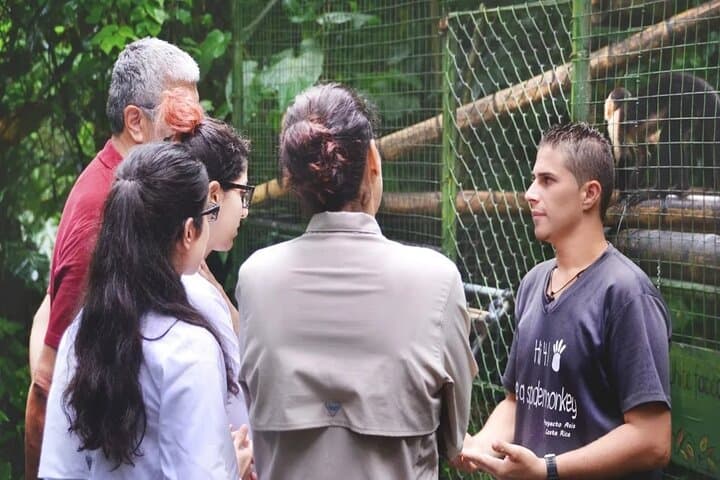
Expect a guided walk through exhibits and enclosures, a briefing on each species’ threats and the center’s protocols, and opportunities to assist with low-impact tasks if you’ve booked the volunteering option. Photography is allowed but limited by staff instructions; keep flash off and distance respectful. The terrain is compacted dirt and short steps—easy walking but slippery in rain—so sturdy shoes and insect repellent matter.
Practical: round-trip transport from La Fortuna is usually included, the visit lasts roughly two hours, and children and casual hikers can participate. Follow staff guidance closely: resident animals are rehabilitating and depend on calm, predictable behavior. If you want hands-on volunteering, confirm age limits and health guidelines in advance; the center enforces restrictions for animal and visitor safety.
easy.
2 hours.
Minimal fitness required; easy walking on mostly flat, compacted paths. Not suitable for those with severe mobility issues without advance notice.
Yes — round-trip transport from La Fortuna is listed as included in the tour package.
Yes, photography is allowed but staff may set distance limits and prohibit flash to avoid stressing recovering animals.
The center enforces age and health guidelines for hands-on volunteering; the booking notes request age and may restrict pregnant visitors or those with spinal/heart issues.
Releases are scheduled events and not guaranteed during every visit; the center focuses on long-term rehabilitation and releases occur when staff determine conditions are safe.
Proyecto Asis evolved from community rescue efforts into an organized rehabilitation center working with Costa Rican agencies to reduce illegal wildlife trade and aid injured animals.
The center relies on education and responsible visitation; visitors should follow rules, avoid feeding animals and support local conservation initiatives financially or by volunteering.
Tico Paradise Costa Rica operates guided outdoor trips and adventures with an emphasis on safety, stewardship, and memorable experiences.
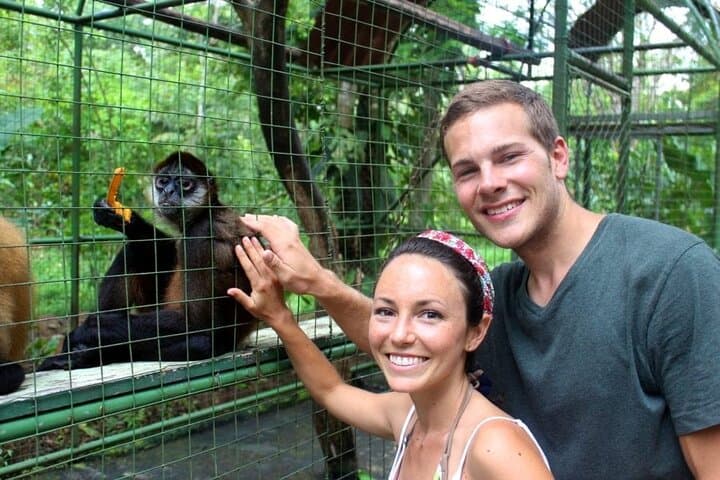
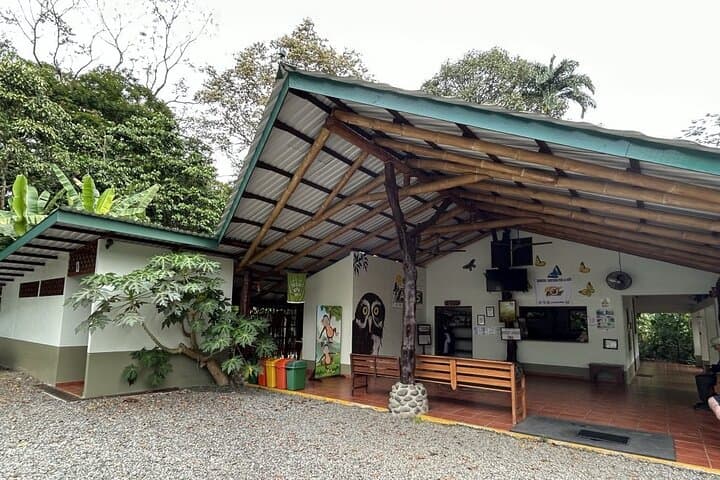
You step off the shuttle into humid air punctuated by the sharp calls of toucans and the slow blink of a brown-throated sloth in the canopy above. Proyecto Asis feels active rather than theatrical: enclosures, rehabilitation pools, and a small clinic where staff move purposefully, tending to birds, monkeys and reptiles rescued from roadways, illegal capture or habitat loss.
You step off the shuttle into humid air punctuated by the sharp calls of toucans and the slow blink of a brown-throated sloth in the canopy above. Proyecto Asis feels active rather than theatrical: enclosures, rehabilitation pools, and a small clinic where staff move purposefully, tending to birds, monkeys and reptiles rescued from roadways, illegal capture or habitat loss.
The center sits in the volcanic foothills that feed the Arenal watershed—red volcanic soils and secondary rainforest that define much of northern Costa Rica. Proyecto Asis grew from local rescue efforts and today works with government agencies and NGOs to rehabilitate animals and, when possible, reintroduce them to forest fragments. The program also reflects Costa Rica’s broader conservation culture: protection, public education and careful human-wildlife interaction.
Expect a guided walk through exhibits and enclosures, a briefing on each species’ threats and the center’s protocols, and opportunities to assist with low-impact tasks if you’ve booked the volunteering option. Photography is allowed but limited by staff instructions; keep flash off and distance respectful. The terrain is compacted dirt and short steps—easy walking but slippery in rain—so sturdy shoes and insect repellent matter.
Practical: round-trip transport from La Fortuna is usually included, the visit lasts roughly two hours, and children and casual hikers can participate. Follow staff guidance closely: resident animals are rehabilitating and depend on calm, predictable behavior. If you want hands-on volunteering, confirm age limits and health guidelines in advance; the center enforces restrictions for animal and visitor safety.