THE ADVENTURE COLLECTIVE® · Independent discovery and booking for outdoor travel

Cruise from Protaras along Cape Greco to the crystalline Blue Lagoon and Turtle Cove: sea caves, swimming stops, and a narrated coastal view of Famagusta’s recent history. This practical guide outlines what to expect, what to pack, and how to make the most of the 2.5-hour trip.
Cruise from Protaras along Cape Greco to the crystalline Blue Lagoon and Turtle Cove: sea caves, swimming stops, and a narrated coastal view of Famagusta’s recent history. This practical guide outlines what to expect, what to pack, and how to make the most of the 2.5-hour trip.
Morning light slants across the bay as the Protaras jetty releases its moorings and the boat noses east toward the open Mediterranean. Salted wind pushes against the hull and the captain’s narration—part maritime directions, part history—begins with a view of Famagusta’s shoreline and a sober recounting of the 1974 events that reshaped Cyprus.
Verified experiences and guided adventures in the surrounding area.
Operated by Protaras boat Napa King II · Protaras, Famagusta District
Morning light slants across the bay as the Protaras jetty releases its moorings and the boat noses east toward the open Mediterranean. Salted wind pushes against the hull and the captain’s narration—part maritime directions, part history—begins with a view of Famagusta’s shoreline and a sober recounting of the 1974 events that reshaped Cyprus.
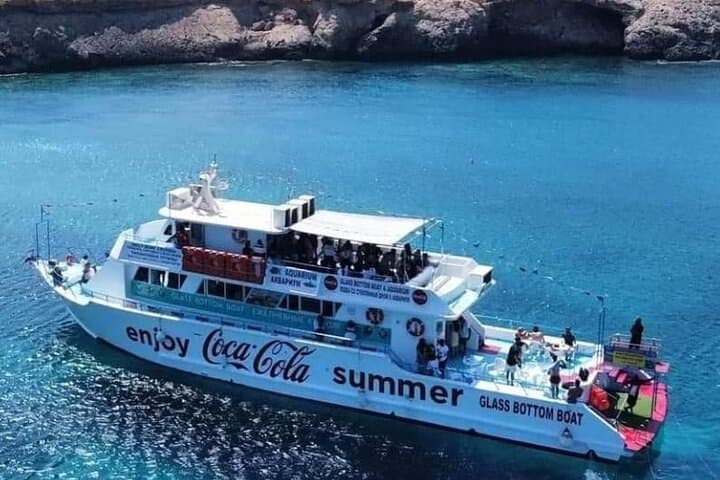
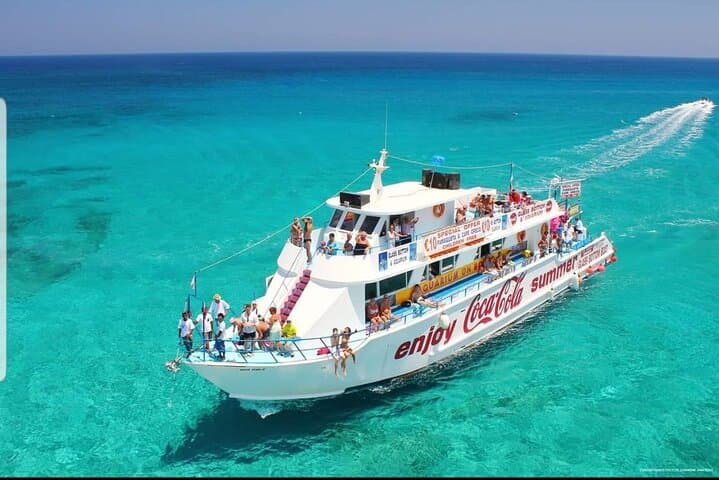
The route hugs Cape Greco’s limestone headlands, where sea caves have been carved into arches and hollows by decades of wave action. You pass Fig Tree Bay, Konnos Bay and chapel-topped islets before threading into a sheltered blue lagoon: shallow, clear water that invites a quick swim and bright underwater visibility. After the 30-minute Blue Lagoon stop the boat moves to Turtle Cove for a shorter dip—there’s a real chance of spotting loggerhead turtles in the shallows when conditions are calm. Glass-bottom viewing and an onboard aquarium give a different angle on the same marine life.
This stretch of coast sits at the eastern edge of the Famagusta district and forms part of Cape Greco National Park—geology and coastal ecology on display. Local crews will point out photo-ready caves and rocky stacks, and explain the human history seen from the water.
Practically: plan for sun, wind and quick swims—bring reef-safe sunscreen, a towel, and a light wind layer for the return. Tours run about 2.5 hours, are suitable for most fitness levels, and may be shortened or canceled in rough weather. Early departures avoid the midday crowds and deliver the best water clarity for snorkeling and photos.
easy.
2–3 hours.
Suitable for most fitness levels; guests should be able to board a ladder and swim short distances.
No—swim stops are short and in relatively shallow, calm water; non-swimmers can stay on board and still enjoy the sights.
Check with the operator—some tours provide basic snorkel gear but many ask guests to bring their own for hygiene and fit.
The booking lists wheelchair accessibility, but boarding a small gangway or ladder may still require assistance—contact the operator ahead of time to confirm arrangements.
Tours may be canceled or rescheduled if sea conditions are unsafe; the operator typically refunds full payment if canceled 24 hours in advance.
The boat provides a coastal perspective on Famagusta and Varosha, areas heavily affected by the 1974 conflict that left parts of the shoreline abandoned for decades.
Cape Greco is a protected area with nesting turtles and fragile marine habitat—respect no‑touch policies, avoid anchoring on seagrass beds, and use reef‑safe products.
Protaras boat Napa King II operates guided outdoor trips and adventures with an emphasis on safety, stewardship, and memorable experiences.


Morning light slants across the bay as the Protaras jetty releases its moorings and the boat noses east toward the open Mediterranean. Salted wind pushes against the hull and the captain’s narration—part maritime directions, part history—begins with a view of Famagusta’s shoreline and a sober recounting of the 1974 events that reshaped Cyprus.
Morning light slants across the bay as the Protaras jetty releases its moorings and the boat noses east toward the open Mediterranean. Salted wind pushes against the hull and the captain’s narration—part maritime directions, part history—begins with a view of Famagusta’s shoreline and a sober recounting of the 1974 events that reshaped Cyprus.
The route hugs Cape Greco’s limestone headlands, where sea caves have been carved into arches and hollows by decades of wave action. You pass Fig Tree Bay, Konnos Bay and chapel-topped islets before threading into a sheltered blue lagoon: shallow, clear water that invites a quick swim and bright underwater visibility. After the 30-minute Blue Lagoon stop the boat moves to Turtle Cove for a shorter dip—there’s a real chance of spotting loggerhead turtles in the shallows when conditions are calm. Glass-bottom viewing and an onboard aquarium give a different angle on the same marine life.
This stretch of coast sits at the eastern edge of the Famagusta district and forms part of Cape Greco National Park—geology and coastal ecology on display. Local crews will point out photo-ready caves and rocky stacks, and explain the human history seen from the water.
Practically: plan for sun, wind and quick swims—bring reef-safe sunscreen, a towel, and a light wind layer for the return. Tours run about 2.5 hours, are suitable for most fitness levels, and may be shortened or canceled in rough weather. Early departures avoid the midday crowds and deliver the best water clarity for snorkeling and photos.