THE ADVENTURE COLLECTIVE® · Independent discovery and booking for outdoor travel

Visit Project Riese’s Osówka complex on a private transfer from Wroclaw. This guided visit combines a short walk through WWII tunnels with a comfortable round-trip transfer and local context about the Owl Mountains.
Visit Project Riese’s Osówka complex on a private transfer from Wroclaw. This guided visit combines a short walk through WWII tunnels with a comfortable round-trip transfer and local context about the Owl Mountains.
A low, damp smell hangs where the mountain opens and the van eases into the shadow of the Owl Mountains. Trees press close to the narrow road, their branches sounding like quiet conversation as the driver pulls up beside the carved entrance to Osówka—one of the most visible portals of Project Riese.
Verified experiences and guided adventures in the surrounding area.
Operated by Wratislavia Tour · Głuszyca / Osówka, Lower Silesian Voivodeship
A low, damp smell hangs where the mountain opens and the van eases into the shadow of the Owl Mountains. Trees press close to the narrow road, their branches sounding like quiet conversation as the driver pulls up beside the carved entrance to Osówka—one of the most visible portals of Project Riese.
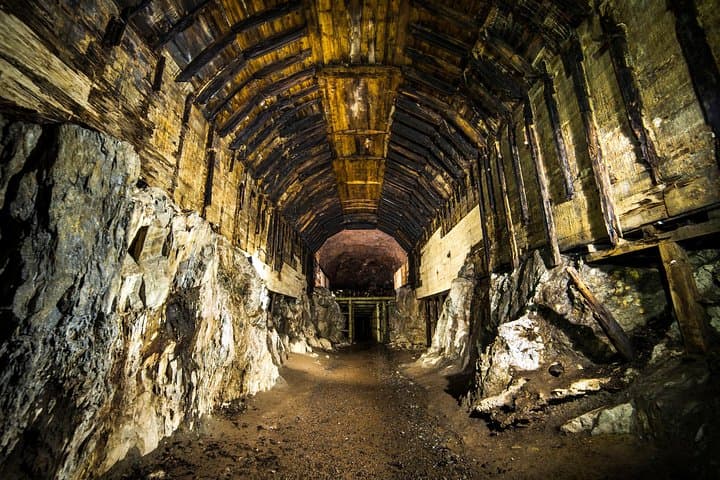
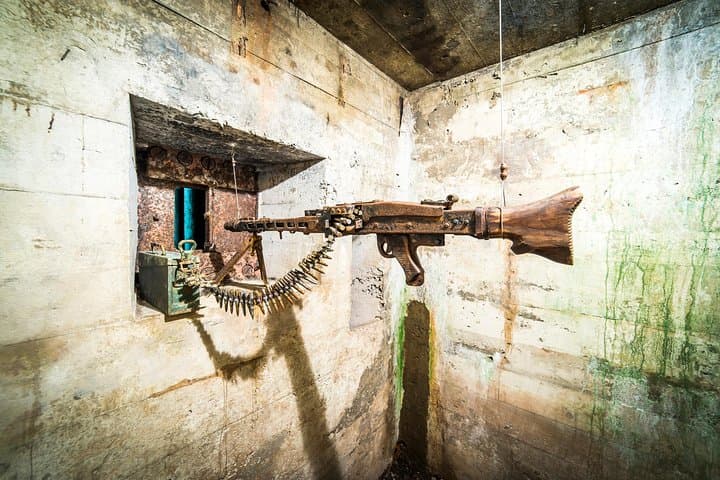
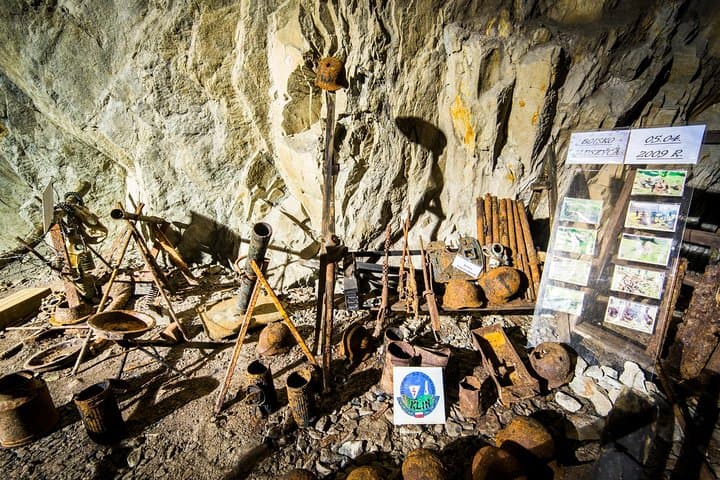
Built during World War II, Project Riese is a sprawling set of tunnels and chambers bored into hard crystalline rock by forced labor under Nazi direction. The complex follows natural faults and granite seams; its engineered voids intersect a landscape of steep ridges and dense spruce that gave builders both shelter and logistical headaches. Local towns such as Głuszyca and Wałbrzych still show traces of the region’s industrial past: miner’s cottages, narrow-gauge rails, and museum displays that contextualize the tunnels within Silesian history.
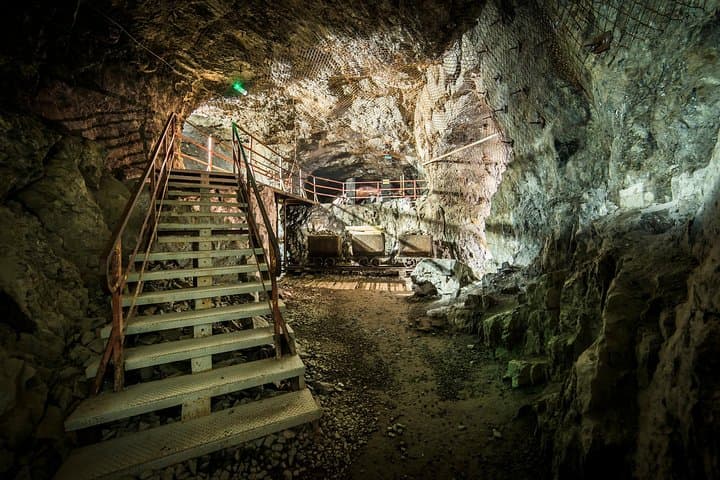
Visitors typically travel from Wroclaw by private minivan (about 1.5 hours each way) and spend roughly an hour inside the Osówka section. Inside, temperatures drop and concrete and rock take on the feel of a man-made cave—expect damp stone, uneven steps, and low ceilings in places. Guides focus on wartime plans and the engineering methods used rather than completing every unanswered question about the site.
Practical pointers: book a private transfer to remove logistics stress, bring a warm layer for the tunnels, wear sturdy closed shoes, and allow time to explore the surrounding trails after the tour. Photography is generally allowed but obey guide instructions. The trip balances historical intensity with a quiet mountain setting—an accessible, tactile way to encounter a complex piece of twentieth-century history.
easy.
5–6 hours.
Suitable for most fitness levels; involves short walks and some steps inside the tunnels
Total door-to-door time is typically 5–6 hours including ~1.5 hour drives each way and about 60–70 minutes inside the Osówka tunnels.
Yes—children must be accompanied by an adult; infant seats are available on request but infants should sit on laps during the transfer.
Wear closed-toe shoes with good grip and bring a warm layer; tunnels are cool and can be damp.
Audio guides may be available but can be limited; the tour typically includes a driver/guide who provides historical context.
Project Riese was a large, incomplete Nazi construction project of underground complexes in the Owl Mountains region, begun in 1943 and tied to wartime strategic projects.
The area is managed with sensitivity to historical remains and natural forest; stick to marked paths and avoid touching exposed structures to reduce wear.
Wratislavia Tour operates guided outdoor trips and adventures with an emphasis on safety, stewardship, and memorable experiences.
A low, damp smell hangs where the mountain opens and the van eases into the shadow of the Owl Mountains. Trees press close to the narrow road, their branches sounding like quiet conversation as the driver pulls up beside the carved entrance to Osówka—one of the most visible portals of Project Riese.
A low, damp smell hangs where the mountain opens and the van eases into the shadow of the Owl Mountains. Trees press close to the narrow road, their branches sounding like quiet conversation as the driver pulls up beside the carved entrance to Osówka—one of the most visible portals of Project Riese.
Built during World War II, Project Riese is a sprawling set of tunnels and chambers bored into hard crystalline rock by forced labor under Nazi direction. The complex follows natural faults and granite seams; its engineered voids intersect a landscape of steep ridges and dense spruce that gave builders both shelter and logistical headaches. Local towns such as Głuszyca and Wałbrzych still show traces of the region’s industrial past: miner’s cottages, narrow-gauge rails, and museum displays that contextualize the tunnels within Silesian history.
Visitors typically travel from Wroclaw by private minivan (about 1.5 hours each way) and spend roughly an hour inside the Osówka section. Inside, temperatures drop and concrete and rock take on the feel of a man-made cave—expect damp stone, uneven steps, and low ceilings in places. Guides focus on wartime plans and the engineering methods used rather than completing every unanswered question about the site.
Practical pointers: book a private transfer to remove logistics stress, bring a warm layer for the tunnels, wear sturdy closed shoes, and allow time to explore the surrounding trails after the tour. Photography is generally allowed but obey guide instructions. The trip balances historical intensity with a quiet mountain setting—an accessible, tactile way to encounter a complex piece of twentieth-century history.