THE ADVENTURE COLLECTIVE® · Independent discovery and booking for outdoor travel

Taste fresh cacao pulp, learn roasting and conching techniques, and mold your own bar at Rabot Estate near the Pitons. This one-hour Bean-to-Bar session pairs hands-on chocolate making with sweeping volcanic landscapes and local culinary flavors.
Taste fresh cacao pulp, learn roasting and conching techniques, and mold your own bar at Rabot Estate near the Pitons. This one-hour Bean-to-Bar session pairs hands-on chocolate making with sweeping volcanic landscapes and local culinary flavors.
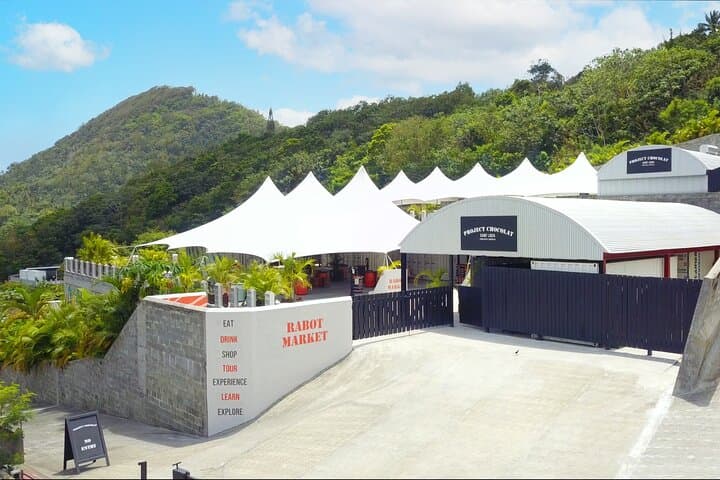
You step off the coastal road into a warm, humid hush: cacao trees crowd the garden, their glossy leaves catching shafts of light while the Pitons loom like patient giants beyond the valley. Scents of earth and fermenting pulp rise with each cut pod; an instructor gestures toward a cluster of beans and invites you to taste the fresh, sweet pulp straight from the pod.
Verified experiences and guided adventures in the surrounding area.
Operated by Project Chocolat from Hotel Chocolat · Soufrière, Soufrière Quarter
You step off the coastal road into a warm, humid hush: cacao trees crowd the garden, their glossy leaves catching shafts of light while the Pitons loom like patient giants beyond the valley. Scents of earth and fermenting pulp rise with each cut pod; an instructor gestures toward a cluster of beans and invites you to taste the fresh, sweet pulp straight from the pod.
At Rabot Estate the story is as geological as it is culinary. Saint Lucia’s volcanic soils — rich in minerals from ancient eruptions — give cacao a distinct profile, and the estate sits within the same landscape that earned the Pitons their UNESCO designation. The guide ties local history to the bean: pre-Columbian cultivation, colonial-era trade, and a recent revival that blends small-scale farming with modern chocolate-making techniques.
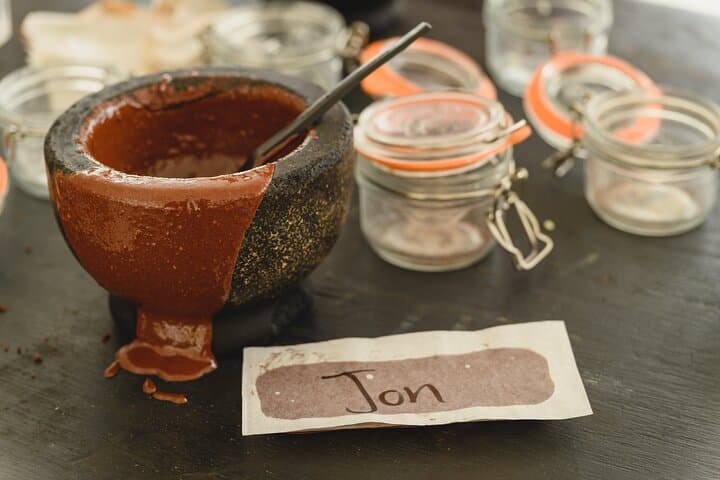
The hour-long Bean-to-Bar session walks you through roasting, winnowing, and conching at a hands-on pace, finishing with your own molded chocolate bar and a tasting of Rabot Estate’s signature chocolate alongside cacao-inspired street-food and cocktails at The Cacao Bar.
Practical notes: arrive on time, as the workshop runs to schedule and spaces are limited. Wear closed-toe shoes for the garden portions and bring water—Caribbean humidity rises fast. If you want lunch included, book the Tree-to-Bar variant or purchase on-site. The experience is family-friendly but recommended for ages 8 and up; dietary allergies should be declared in advance. Expect a blend of tactile learning, tropical landscapes that feel alive, and a take-home bar that reminds you how much of chocolate’s story starts in the soil.
easy.
1 hour.
Light activity—suitable for most people who can stand and walk short distances; minimal physical exertion required.
The Bean-to-Bar workshop lasts approximately one hour, with additional time if you choose to explore the Cacao Bar or retail shop.
Lunch is not included with the Bean-to-Bar experience; the Tree-to-Bar tour includes lunch, or you can purchase food on-site at The Cacao Bar.
Children under 8 are not suitable for this experience; older children are welcome but should be supervised during hands-on segments.
Yes — the on-site retail platform sells Rabot Estate chocolate, cacao-based beauty items, and alcoholic ranges for purchase before you leave.
Rabot Estate is part of a long agricultural history on Saint Lucia where volcanic soils and colonial-era estates shaped local cultivation; cacao production there links modern craft chocolate to these historical practices.
The estate emphasizes sustainable farming practices and supports local growers; visitors are encouraged to minimize waste and respect plantings to reduce impact.
Project Chocolat from Hotel Chocolat operates guided outdoor trips and adventures with an emphasis on safety, stewardship, and memorable experiences.


You step off the coastal road into a warm, humid hush: cacao trees crowd the garden, their glossy leaves catching shafts of light while the Pitons loom like patient giants beyond the valley. Scents of earth and fermenting pulp rise with each cut pod; an instructor gestures toward a cluster of beans and invites you to taste the fresh, sweet pulp straight from the pod.
You step off the coastal road into a warm, humid hush: cacao trees crowd the garden, their glossy leaves catching shafts of light while the Pitons loom like patient giants beyond the valley. Scents of earth and fermenting pulp rise with each cut pod; an instructor gestures toward a cluster of beans and invites you to taste the fresh, sweet pulp straight from the pod.
At Rabot Estate the story is as geological as it is culinary. Saint Lucia’s volcanic soils — rich in minerals from ancient eruptions — give cacao a distinct profile, and the estate sits within the same landscape that earned the Pitons their UNESCO designation. The guide ties local history to the bean: pre-Columbian cultivation, colonial-era trade, and a recent revival that blends small-scale farming with modern chocolate-making techniques.
The hour-long Bean-to-Bar session walks you through roasting, winnowing, and conching at a hands-on pace, finishing with your own molded chocolate bar and a tasting of Rabot Estate’s signature chocolate alongside cacao-inspired street-food and cocktails at The Cacao Bar.
Practical notes: arrive on time, as the workshop runs to schedule and spaces are limited. Wear closed-toe shoes for the garden portions and bring water—Caribbean humidity rises fast. If you want lunch included, book the Tree-to-Bar variant or purchase on-site. The experience is family-friendly but recommended for ages 8 and up; dietary allergies should be declared in advance. Expect a blend of tactile learning, tropical landscapes that feel alive, and a take-home bar that reminds you how much of chocolate’s story starts in the soil.