THE ADVENTURE COLLECTIVE® · Independent discovery and booking for outdoor travel

Walk Melbourne’s laneways after dark on a guided progressive dinner that stitches Chinatown, Hosier Lane and hidden bars into one culinary route. Small groups, 4–6 premium tastings and one included drink make this an efficient, sensory introduction to the city’s immigrant food culture.
Walk Melbourne’s laneways after dark on a guided progressive dinner that stitches Chinatown, Hosier Lane and hidden bars into one culinary route. Small groups, 4–6 premium tastings and one included drink make this an efficient, sensory introduction to the city’s immigrant food culture.
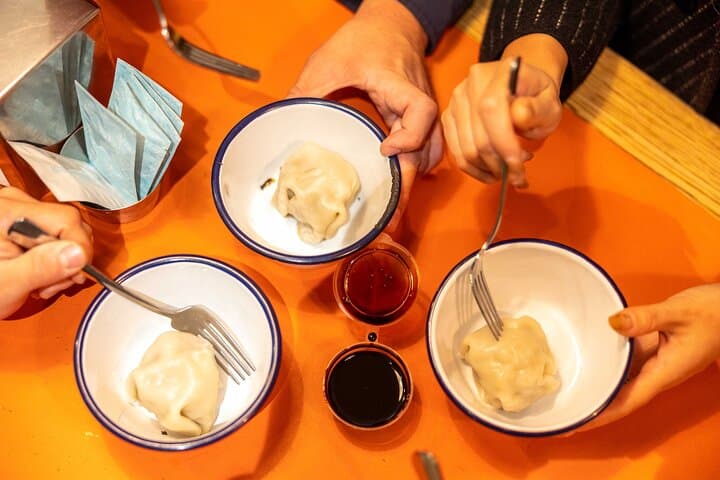
The evening tightens around Hosier Lane as the city switches from commutes to conversation. Steam rises from dumpling baskets, neon signs blink above narrow alleys, and a small group threads between murals toward the fountain in Gordon Reserve where the guide waits. The tour feels immediate — a city that feeds you while it tells you its story.
Verified experiences and guided adventures in the surrounding area.
Operated by Depot Australia · Melbourne, Victoria
The evening tightens around Hosier Lane as the city switches from commutes to conversation. Steam rises from dumpling baskets, neon signs blink above narrow alleys, and a small group threads between murals toward the fountain in Gordon Reserve where the guide waits. The tour feels immediate — a city that feeds you while it tells you its story.
Melbourne’s Chinatown dates to the 1850s gold rush when Chinese migrants established businesses near Little Bourke Street. The laneways themselves evolved from service alleys into the creative arteries of the CBD: warehouses became cafes, and blank walls turned into rotating canvases of street art. Geologically, the city sits on the Yarra River flats and Port Phillip basin, with basalt from nearby volcanic plains underpinning much of Greater Melbourne’s footprint — the river still shapes where markets and eateries congregate.
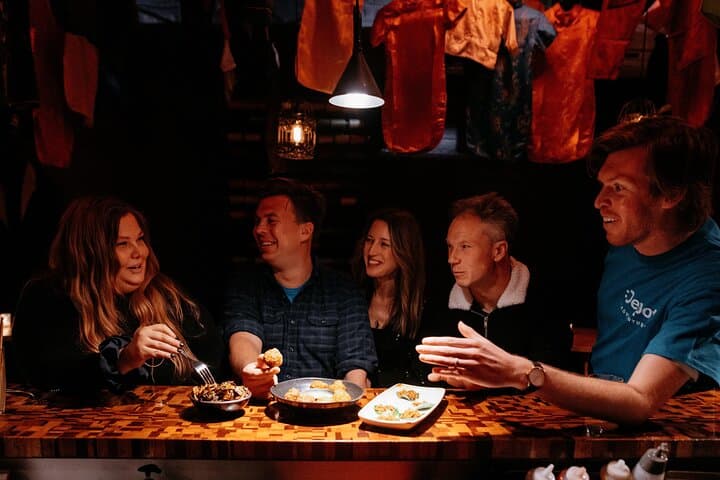
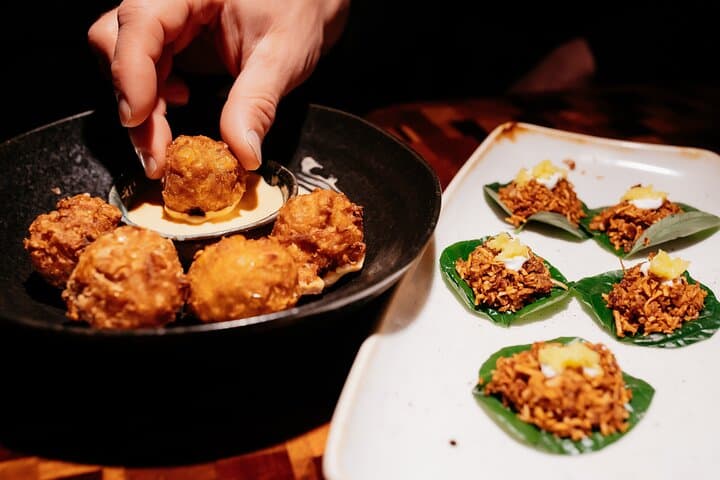
Culturally this is a walking palate of migration: Cantonese dumplings, Indian chaats, Thai street snacks and ocean-fresh oysters from nearby coasts. Guides curate 4–6 premium tastings and a complimentary drink, tailoring the route to crowd levels and dietary needs while explaining changing waves of immigration and laneway subculture.
Practically, expect about three hours of standing, short walks between venues and intermittent stairs. Groups are small (max eight), meeting at Gordon Reserve and finishing near Federation Square with easy tram access. Bring comfortable shoes, a light jacket for Melbourne’s fickle weather, and advise dietary restrictions when you book. Arrive hungry and curious — the tour is both a meal and a guided orientation to the city’s edible grit and convivial corners.
moderate.
3 hours.
Comfortable walking fitness; able to stand and walk short distances between venues and navigate a few stairs.
The tour includes 4–6 premium tastings designed to equal a full dinner plus one complimentary beverage; bring a light appetite but not a large hunger gap.
Yes—advance notice during booking allows the guide to tailor stops and ensure suitable tastings at participating venues.
Some laneways and venues include steps or narrow passages; parts are stroller-friendly, but mobility restrictions should be discussed with the operator before booking.
Meet at the fountain in Gordon Reserve (near Federation Square); the tour finishes close to Federation Square/Swanston Street with multiple tram and train links nearby.
Chinatown on Little Bourke Street grew from mid-19th-century Chinese migration during the gold rush; laneways later repurposed from service alleys into cultural and culinary corridors.
Support small venues by minimizing single-use plastics, use public transport to reach the CBD, and follow local waste-sorting where provided to reduce the tour’s footprint.
Depot Australia operates guided outdoor trips and adventures with an emphasis on safety, stewardship, and memorable experiences.
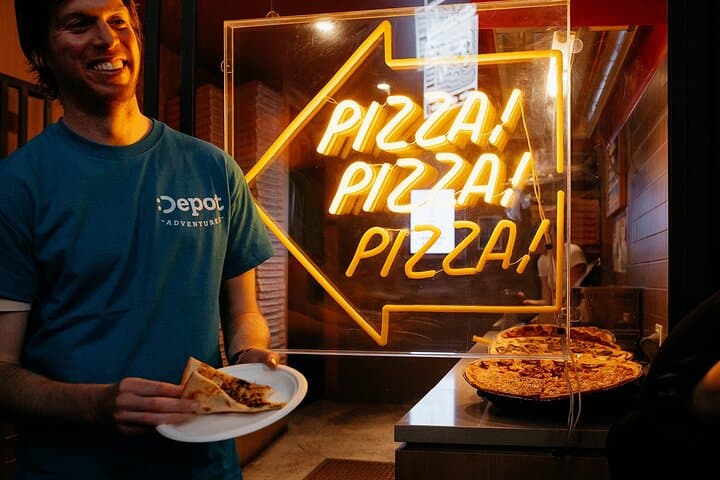
The evening tightens around Hosier Lane as the city switches from commutes to conversation. Steam rises from dumpling baskets, neon signs blink above narrow alleys, and a small group threads between murals toward the fountain in Gordon Reserve where the guide waits. The tour feels immediate — a city that feeds you while it tells you its story.
The evening tightens around Hosier Lane as the city switches from commutes to conversation. Steam rises from dumpling baskets, neon signs blink above narrow alleys, and a small group threads between murals toward the fountain in Gordon Reserve where the guide waits. The tour feels immediate — a city that feeds you while it tells you its story.
Melbourne’s Chinatown dates to the 1850s gold rush when Chinese migrants established businesses near Little Bourke Street. The laneways themselves evolved from service alleys into the creative arteries of the CBD: warehouses became cafes, and blank walls turned into rotating canvases of street art. Geologically, the city sits on the Yarra River flats and Port Phillip basin, with basalt from nearby volcanic plains underpinning much of Greater Melbourne’s footprint — the river still shapes where markets and eateries congregate.
Culturally this is a walking palate of migration: Cantonese dumplings, Indian chaats, Thai street snacks and ocean-fresh oysters from nearby coasts. Guides curate 4–6 premium tastings and a complimentary drink, tailoring the route to crowd levels and dietary needs while explaining changing waves of immigration and laneway subculture.
Practically, expect about three hours of standing, short walks between venues and intermittent stairs. Groups are small (max eight), meeting at Gordon Reserve and finishing near Federation Square with easy tram access. Bring comfortable shoes, a light jacket for Melbourne’s fickle weather, and advise dietary restrictions when you book. Arrive hungry and curious — the tour is both a meal and a guided orientation to the city’s edible grit and convivial corners.