THE ADVENTURE COLLECTIVE® · Independent discovery and booking for outdoor travel

See a cave cenote, migrating flamingos, traditional salt ponds and Progreso beach in one day from Mérida. This compact coastal loop blends geology, wildlife and local salt-harvesting culture into a single accessible outing.
See a cave cenote, migrating flamingos, traditional salt ponds and Progreso beach in one day from Mérida. This compact coastal loop blends geology, wildlife and local salt-harvesting culture into a single accessible outing.
A cool wind off the Gulf cuts through the boardwalk as the van leaves Mérida at first light, and the day unfolds like a compact field guide: a grotto-lit cenote, shallow lagoons rimmed with salt crust, and a coastal stretch of white sand where waves mark the horizon.
Verified experiences and guided adventures in the surrounding area.
Operated by Aventura en el Mayab · Mérida, Yucatán
A cool wind off the Gulf cuts through the boardwalk as the van leaves Mérida at first light, and the day unfolds like a compact field guide: a grotto-lit cenote, shallow lagoons rimmed with salt crust, and a coastal stretch of white sand where waves mark the horizon.
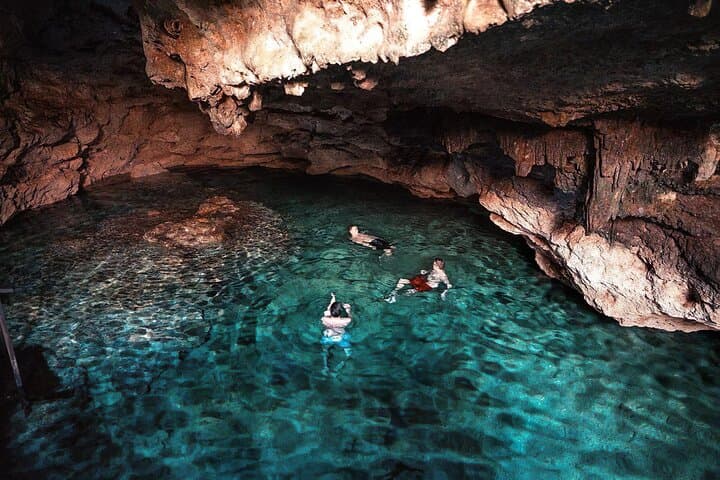
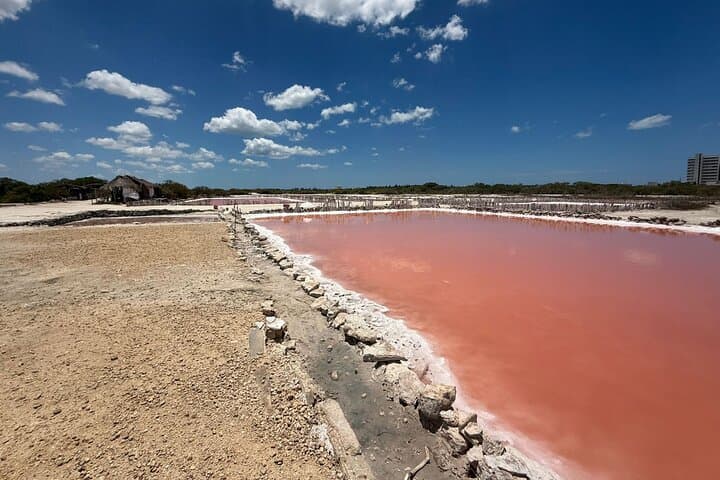
The cenote on this route is a closed cave chamber reached by masonry steps into an electric-lit grotto—roughly 30 meters long and 8 meters wide, with water between 1 and 8 meters deep—formed where the Yucatán’s porous limestone collapsed and groundwater filled the void. The salt ponds at Xtampú owe their seasonal pink tone to high salinity and halophilic microorganisms; the color intensifies before the rainy season. Salt harvesting here continues a practice dating to pre-Columbian Maya times, when coastal communities traded salt as a staple commodity.
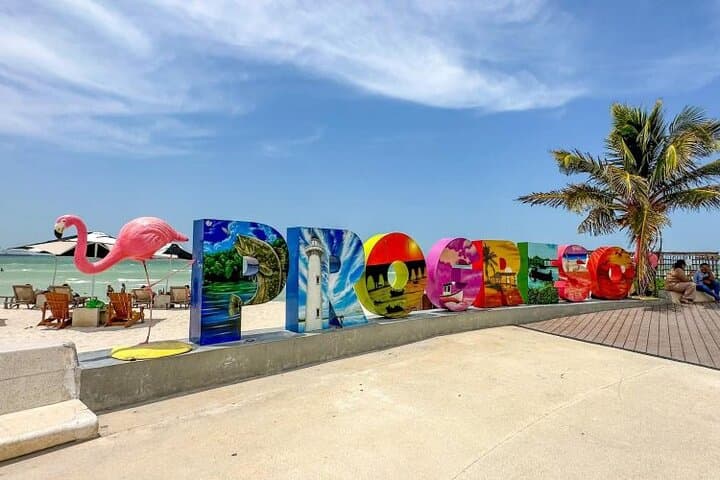
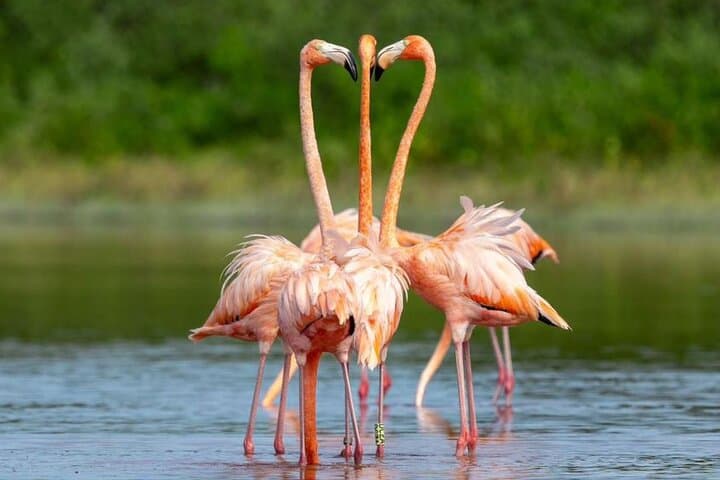
Wildlife sightings center on flamingos and shorebirds that use the shallow lagoons as feeding stops; bird presence varies with migration and water conditions. On the coast, Progreso’s long pier and breezy malecón offer easy beach access and simple seafood stands favored by locals.
Practical guide: allow a full day (about 7–8 hours) and bring a swimsuit, water shoes, and cash for snacks. Visit between late spring and early summer for the best chance at vivid pink ponds, but remember color and bird sightings aren’t guaranteed. Respect the cenote’s ecosystem—use reef-safe sunscreen and avoid soaps—and follow your bilingual guide for safe swimming zones and salt-flat access. The itinerary is low-impact and accessible for most fitness levels, making it a compact introduction to the Yucatán’s geological and cultural coastline.
easy.
7–8 hours.
Suitable for most fitness levels; involves short walks, stairs into the cenote, and light swimming ability.
No. The intensity of the pink color depends on salinity and microorganisms and is strongest in the dry months before the rainy season—typically March through August.
Flamingos are seasonal and vary with migration and local water conditions; guides choose vantage points that maximize sightings but they can’t be guaranteed.
Yes—this cenote has shallow areas where non-swimmers and children can cool off; however, anyone entering deeper water should be comfortable with swimming or wear a life jacket if provided.
Typical inclusions are cenote and salt flat entrance fees, bilingual guide, binoculars, and air-conditioned transport; the tour operates from Mérida with pickup options—confirm your pickup point when booking.
Salt production on the Yucatán coast has deep roots in Maya economy and exchange, and traditional harvesting methods remain in use at several coastal ponds.
Cenotes and salt flats are fragile—avoid soaps in freshwater, use reef-safe products, stay on designated paths, and don’t disturb feeding birds.
Aventura en el Mayab operates guided outdoor trips and adventures with an emphasis on safety, stewardship, and memorable experiences.
A cool wind off the Gulf cuts through the boardwalk as the van leaves Mérida at first light, and the day unfolds like a compact field guide: a grotto-lit cenote, shallow lagoons rimmed with salt crust, and a coastal stretch of white sand where waves mark the horizon.
A cool wind off the Gulf cuts through the boardwalk as the van leaves Mérida at first light, and the day unfolds like a compact field guide: a grotto-lit cenote, shallow lagoons rimmed with salt crust, and a coastal stretch of white sand where waves mark the horizon.
The cenote on this route is a closed cave chamber reached by masonry steps into an electric-lit grotto—roughly 30 meters long and 8 meters wide, with water between 1 and 8 meters deep—formed where the Yucatán’s porous limestone collapsed and groundwater filled the void. The salt ponds at Xtampú owe their seasonal pink tone to high salinity and halophilic microorganisms; the color intensifies before the rainy season. Salt harvesting here continues a practice dating to pre-Columbian Maya times, when coastal communities traded salt as a staple commodity.
Wildlife sightings center on flamingos and shorebirds that use the shallow lagoons as feeding stops; bird presence varies with migration and water conditions. On the coast, Progreso’s long pier and breezy malecón offer easy beach access and simple seafood stands favored by locals.
Practical guide: allow a full day (about 7–8 hours) and bring a swimsuit, water shoes, and cash for snacks. Visit between late spring and early summer for the best chance at vivid pink ponds, but remember color and bird sightings aren’t guaranteed. Respect the cenote’s ecosystem—use reef-safe sunscreen and avoid soaps—and follow your bilingual guide for safe swimming zones and salt-flat access. The itinerary is low-impact and accessible for most fitness levels, making it a compact introduction to the Yucatán’s geological and cultural coastline.