THE ADVENTURE COLLECTIVE® · Independent discovery and booking for outdoor travel

Spend two hours in a private Soto Zen sitting at a 350-year-old temple near Kakunodate. Learn posture, breath, and a short guided zazen session followed by a tea taste of local sweets.
Spend two hours in a private Soto Zen sitting at a 350-year-old temple near Kakunodate. Learn posture, breath, and a short guided zazen session followed by a tea taste of local sweets.
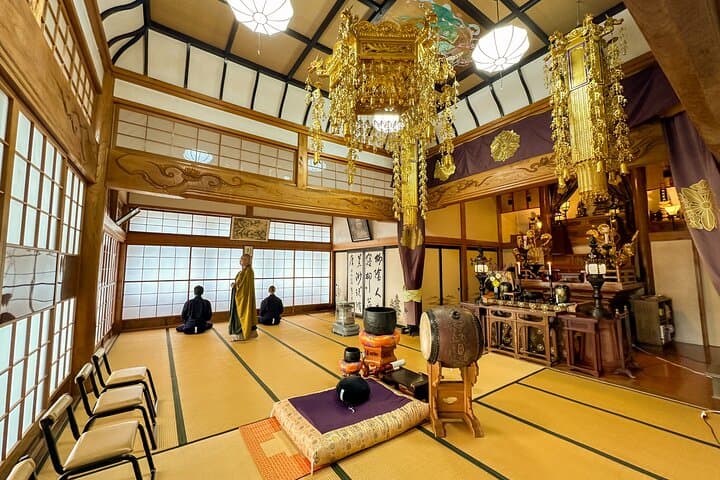
You step off the quiet road and the air changes: cedar needles underfoot, a bell’s slow note drifting from a low-roofed hall, and a courtyard where cherry trees and maples mark the seasons. The temple sits in Nakagawa’s open valley, three kilometres from Kakunodate’s samurai district, its grounds both spacious and deliberately simple. The soundscape—birds, the rustle of leaves, an insect’s steady chirp—frames the teaching.
Verified experiences and guided adventures in the surrounding area.
Operated by Akita INAKA Travel · Kakunodate, Akita Prefecture
You step off the quiet road and the air changes: cedar needles underfoot, a bell’s slow note drifting from a low-roofed hall, and a courtyard where cherry trees and maples mark the seasons. The temple sits in Nakagawa’s open valley, three kilometres from Kakunodate’s samurai district, its grounds both spacious and deliberately simple. The soundscape—birds, the rustle of leaves, an insect’s steady chirp—frames the teaching.
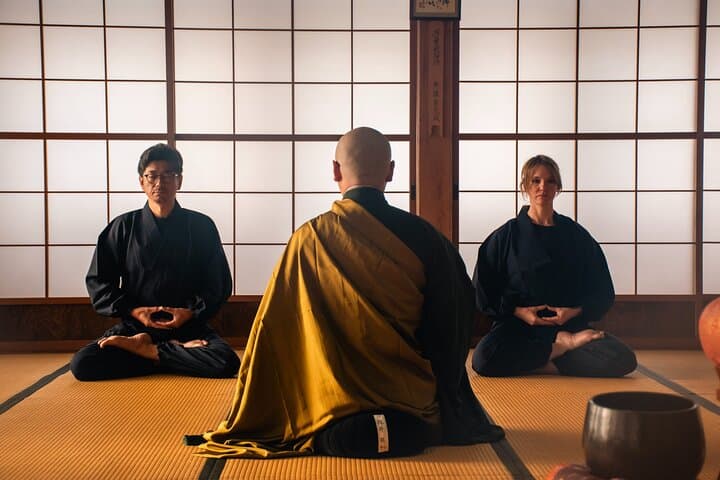
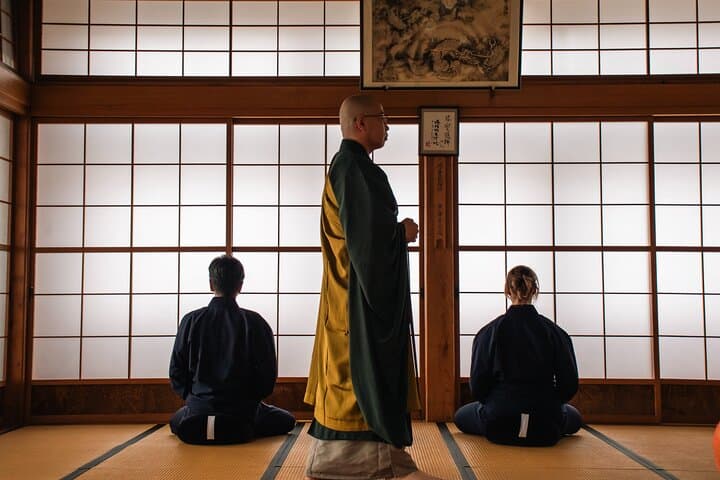
This Soto Zen temple has been a spiritual anchor for the local community for roughly 350 years. Soto Zen emphasizes seated practice (zazen), posture and breath — disciplines that traveled with monks, and at times intersected with samurai life. The lesson here is compact: a clear briefing on Soto history and technique, guided posture and breathing, a focused 15–20 minute zazen period, then a small tea gathering with the head monk.
Geologically, Akita’s rolling low mountains and river valleys shape the temple setting—gravel paths, cedars that channel cool air, and stonework bearing moss. Culturally, the nearby Kakunodate samurai houses and century-old sweets shops provide context: quiet craftsmanship and restraint.
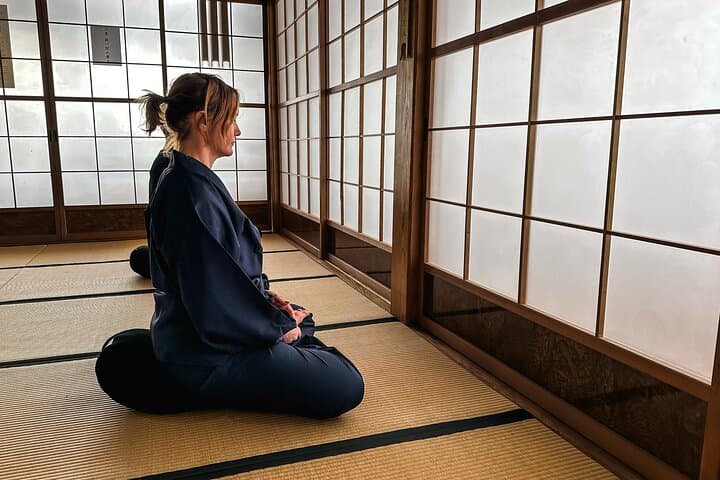
Practical guidance: arrive on time, wear layers (a samue is provided), and bring quiet curiosity. Expect a low-impact, accessible practice suitable for beginners; the session is private and paced to allow questions. Hydrate beforehand and avoid heavy meals; the short tea ceremony offers local sweets afterward. This is a deliberate, grounded doorway into Soto Zen rather than a long retreat—ideal for travelers seeking a concentrated cultural and contemplative experience.
easy.
2 hours.
Suitable for most fitness levels—requires ability to sit on a cushion or low bench for 15–20 minutes.
No—this private session is designed for beginners and includes instruction on posture, breathing and basic mindset.
Sessions are typically led in Japanese; many operators provide English explanations or a bilingual assistant—confirm language at booking.
Yes, a samue rental is included so you only need comfortable clothes underneath and minimal personal items.
All sales are final for this experience; there are no refunds for cancellations, so confirm schedules and health considerations before booking.
The temple follows the Soto school of Zen and has served the Nakagawa community for roughly 350 years; Soto practice historically intersected with samurai culture in northern Japan.
Keep to marked paths, remove shoes where requested, and support the temple with a small donation; quiet respect helps preserve both the site and local traditions.
Akita INAKA Travel operates guided outdoor trips and adventures with an emphasis on safety, stewardship, and memorable experiences.
You step off the quiet road and the air changes: cedar needles underfoot, a bell’s slow note drifting from a low-roofed hall, and a courtyard where cherry trees and maples mark the seasons. The temple sits in Nakagawa’s open valley, three kilometres from Kakunodate’s samurai district, its grounds both spacious and deliberately simple. The soundscape—birds, the rustle of leaves, an insect’s steady chirp—frames the teaching.
You step off the quiet road and the air changes: cedar needles underfoot, a bell’s slow note drifting from a low-roofed hall, and a courtyard where cherry trees and maples mark the seasons. The temple sits in Nakagawa’s open valley, three kilometres from Kakunodate’s samurai district, its grounds both spacious and deliberately simple. The soundscape—birds, the rustle of leaves, an insect’s steady chirp—frames the teaching.
This Soto Zen temple has been a spiritual anchor for the local community for roughly 350 years. Soto Zen emphasizes seated practice (zazen), posture and breath — disciplines that traveled with monks, and at times intersected with samurai life. The lesson here is compact: a clear briefing on Soto history and technique, guided posture and breathing, a focused 15–20 minute zazen period, then a small tea gathering with the head monk.
Geologically, Akita’s rolling low mountains and river valleys shape the temple setting—gravel paths, cedars that channel cool air, and stonework bearing moss. Culturally, the nearby Kakunodate samurai houses and century-old sweets shops provide context: quiet craftsmanship and restraint.
Practical guidance: arrive on time, wear layers (a samue is provided), and bring quiet curiosity. Expect a low-impact, accessible practice suitable for beginners; the session is private and paced to allow questions. Hydrate beforehand and avoid heavy meals; the short tea ceremony offers local sweets afterward. This is a deliberate, grounded doorway into Soto Zen rather than a long retreat—ideal for travelers seeking a concentrated cultural and contemplative experience.