THE ADVENTURE COLLECTIVE® · Independent discovery and booking for outdoor travel

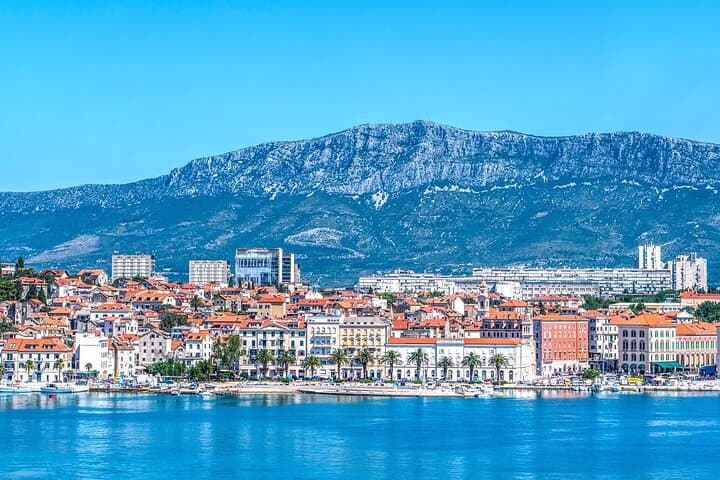
A private Mercedes transfer links Zagreb and Split with a flexible day stop at Plitvice Lakes National Park. Expect boardwalk walks, a brief boat crossing, and scenic stops along an 8–10 hour route — book park tickets at least two days ahead.
A private Mercedes transfer links Zagreb and Split with a flexible day stop at Plitvice Lakes National Park. Expect boardwalk walks, a brief boat crossing, and scenic stops along an 8–10 hour route — book park tickets at least two days ahead.
You step into a quiet Mercedes‑Benz van in Zagreb before dawn, leather seats easing the stiffness of city travel as the road unspools toward mountain light. The driver glides through continental plains and then the road tightens; spruce and beech take over, and the soundtrack changes to the rush of water as you approach Plitvice Lakes.
Verified experiences and guided adventures in the surrounding area.
Operated by Canyon travel · Plitvička Jezera, Lika-Senj County
You step into a quiet Mercedes‑Benz van in Zagreb before dawn, leather seats easing the stiffness of city travel as the road unspools toward mountain light. The driver glides through continental plains and then the road tightens; spruce and beech take over, and the soundtrack changes to the rush of water as you approach Plitvice Lakes.
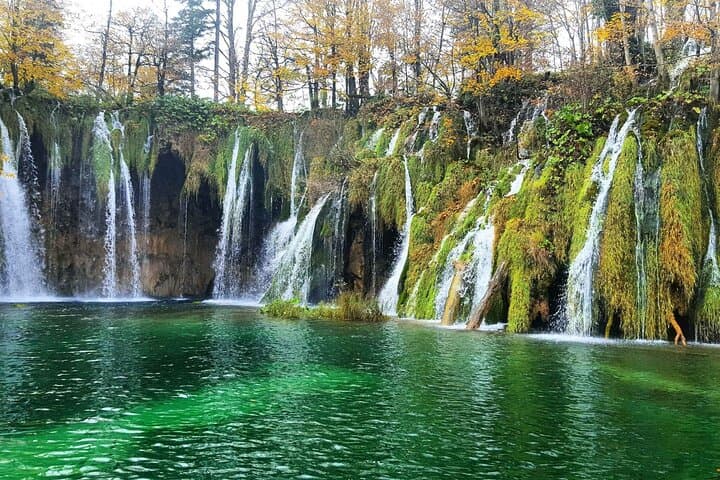
The park is a geological classroom: travertine dams build over millennia, stitching 16 terraced lakes and countless cascades. Established as Croatia’s first national park in 1949 and a UNESCO site in 1979, Plitvice has long been shaped by karst processes — water dissolving limestone, then redepositing minerals in teal pools and delicate barriers. Local culture in Lika‑Senj County leans pastoral; shepherding and forest crafts remain visible from roadside hamlets.
This private transfer doubles as a practical day trip: a flexible schedule, onboard Wi‑Fi and bottled water, and a driver who can pause for photos or a quick village coffee. Expect a park walk on wooden boardwalks, a short electric boat crossing of Kozjak Lake, and views of Veliki Slap (the Great Waterfall). Note new park rules require advance ticket purchase (minimum two days) for midday entries — plan accordingly.
Practical guidance: bring comfortable walking shoes for uneven, often wet boardwalks; pack a lightweight rain jacket and a small daypack for snacks and layers. The full service runs about 8–10 hours door‑to‑door, requires a minimum group size, and is suitable for most fitness levels but involves standing and short hikes within the park. Book tickets early and aim for early or late park access to avoid peak crowds.
easy.
8–10 hours.
Suitable for most fitness levels; involves periods of sitting in the vehicle and short, sometimes steep or wet walks on boardwalks in the park.
Yes — the park requires advance ticket purchases for many entry times; book at least 48 hours ahead, especially for midday slots.
The full door‑to‑door service lasts about 8–10 hours; typical park time can range from 2–4 hours depending on how much you want to walk and photo stops.
This private transfer requires a minimum of four passengers for the service to operate as advertised.
Yes — the service is flexible and the driver can stop for short breaks, photo pullouts or a village coffee within the scheduled day.
Plitvice Lakes became Croatia’s first national park in 1949 and was designated a UNESCO World Heritage site in 1979 for its unique travertine formations and networked lakes.
Travertine barriers are fragile — stay on marked paths and follow park rules; visitor limits and advance tickets help manage impact on the ecosystem.
Canyon travel operates guided outdoor trips and adventures with an emphasis on safety, stewardship, and memorable experiences.
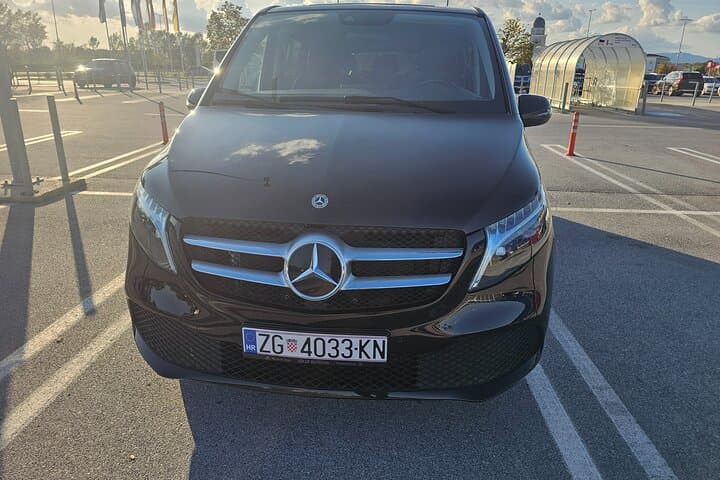
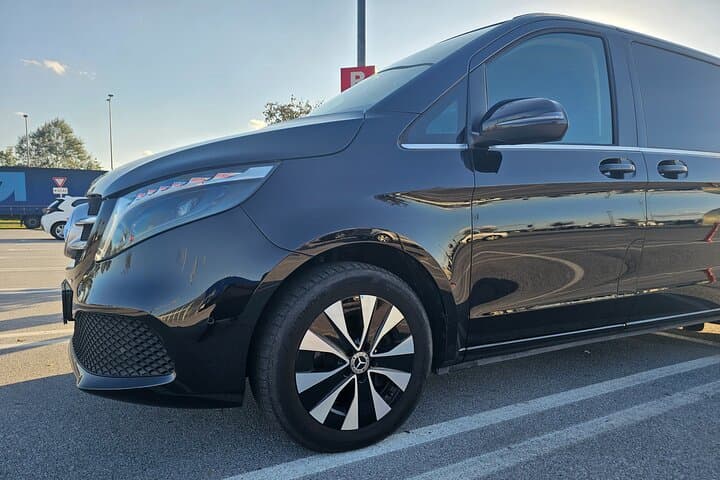
You step into a quiet Mercedes‑Benz van in Zagreb before dawn, leather seats easing the stiffness of city travel as the road unspools toward mountain light. The driver glides through continental plains and then the road tightens; spruce and beech take over, and the soundtrack changes to the rush of water as you approach Plitvice Lakes.
You step into a quiet Mercedes‑Benz van in Zagreb before dawn, leather seats easing the stiffness of city travel as the road unspools toward mountain light. The driver glides through continental plains and then the road tightens; spruce and beech take over, and the soundtrack changes to the rush of water as you approach Plitvice Lakes.
The park is a geological classroom: travertine dams build over millennia, stitching 16 terraced lakes and countless cascades. Established as Croatia’s first national park in 1949 and a UNESCO site in 1979, Plitvice has long been shaped by karst processes — water dissolving limestone, then redepositing minerals in teal pools and delicate barriers. Local culture in Lika‑Senj County leans pastoral; shepherding and forest crafts remain visible from roadside hamlets.
This private transfer doubles as a practical day trip: a flexible schedule, onboard Wi‑Fi and bottled water, and a driver who can pause for photos or a quick village coffee. Expect a park walk on wooden boardwalks, a short electric boat crossing of Kozjak Lake, and views of Veliki Slap (the Great Waterfall). Note new park rules require advance ticket purchase (minimum two days) for midday entries — plan accordingly.
Practical guidance: bring comfortable walking shoes for uneven, often wet boardwalks; pack a lightweight rain jacket and a small daypack for snacks and layers. The full service runs about 8–10 hours door‑to‑door, requires a minimum group size, and is suitable for most fitness levels but involves standing and short hikes within the park. Book tickets early and aim for early or late park access to avoid peak crowds.