THE ADVENTURE COLLECTIVE® · Independent discovery and booking for outdoor travel

Drive from Marrakech into the Atlas and into the Draa Valley, spend a night under the desert stars, ride camels across the Tinfou dunes, and visit UNESCO-listed Ait Ben Haddou on the return. This private 2-day trip blends scenery, culture, and light adventure.
Drive from Marrakech into the Atlas and into the Draa Valley, spend a night under the desert stars, ride camels across the Tinfou dunes, and visit UNESCO-listed Ait Ben Haddou on the return. This private 2-day trip blends scenery, culture, and light adventure.
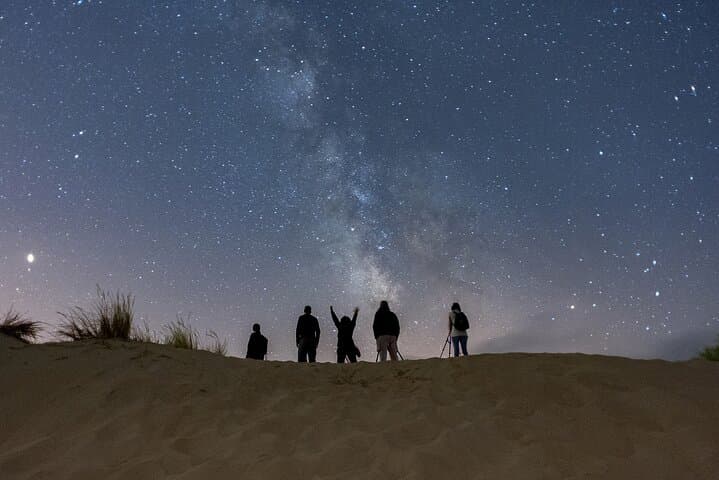
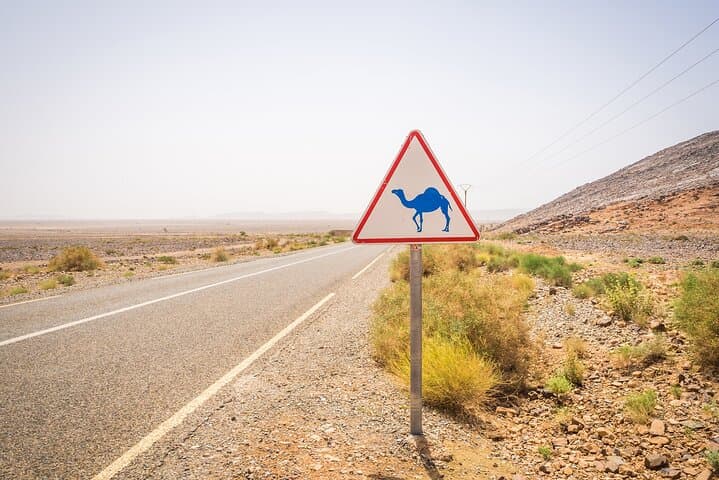
The sun is low when the convoy breaks free of Marrakech’s bustle and the road climbs into the Atlas. Stones become scrub, scrub becomes palms, and by late afternoon the dunes of Zagora begin to lean into view—gold ridges that seem to breathe with the wind. On the back of a patient camel you move with the rhythm of the desert; silence presses in and the sky widens until the first stars appear.
Verified experiences and guided adventures in the surrounding area.
Operated by Come With Us Tours · Zagora, Drâa-Tafilalet
The sun is low when the convoy breaks free of Marrakech’s bustle and the road climbs into the Atlas. Stones become scrub, scrub becomes palms, and by late afternoon the dunes of Zagora begin to lean into view—gold ridges that seem to breathe with the wind. On the back of a patient camel you move with the rhythm of the desert; silence presses in and the sky widens until the first stars appear.
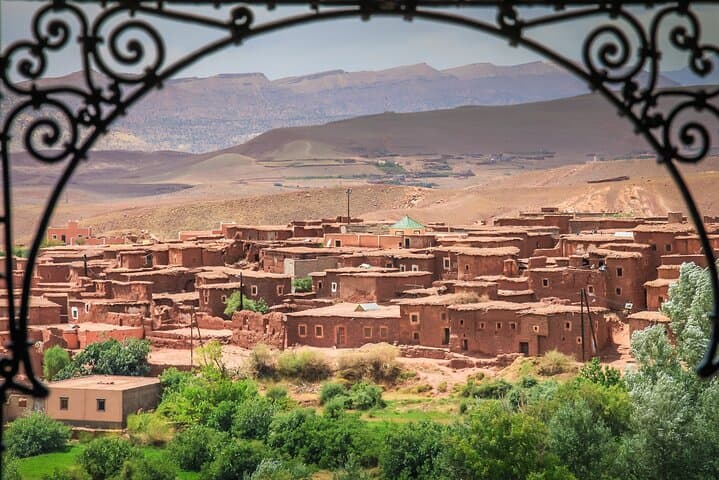
This route follows ancient trans-Saharan corridors and the Draa Valley—once a trade artery lined with palm groves and kasbahs. Geologically, the region traces the erosion of folded Atlas ranges into sandy basins; the dunes at Tinfou are wind-sculpted deposits that shift daily. Culture here is Berber at core: kasbah architecture, oral storytelling, and communal meals by the campfire.
Practically, the trip is two packed days of driving (Marrakech to Zagora is roughly 6–7 hours each way with stops), a night in a desert camp, a camel trek of 60–90 minutes at sunset, and short visits to Ait Ben Haddou and Telouet on the return.
Expect long drives, loose sand underfoot, and temperamental daytime heat. Bring plenty of water, sun protection, sturdy closed-toe shoes for dune walking, and a lightweight scarf for dust and evening chill. Cash is useful in local villages; respect local customs—dress modestly and ask before photographing people. The experience rewards patience: quiet dunes, storied kasbahs, and the distinct cadence of a camel’s step that keeps you connected to the landscape long after you’re back in the city.
moderate.
2 days.
Suitable for travelers in average fitness who can sit through long transfers and handle short walks on sand and uneven surfaces.
The guided camel trek is typically around 60–90 minutes at sunset, designed for novice riders with a slow, steady pace.
Yes—transport is private and the itinerary lists the activity as easy; however, camel rides and long drives may be uncomfortable for some—check with the operator for infant seating and special needs.
Bring a change of dry clothes, warm layer for night chill, toiletries, and cash; the camp provides dinner, breakfast, and standard bedding.
Entrance fees are commonly not included—confirm with the operator, but expect to pay a small local admission on arrival.
The Draa Valley was a key trans-Saharan trade corridor; Ait Ben Haddou is a fortified ksar that grew wealthy on caravan trade and later served as a film location.
The Sahara’s dunes and palm oases are fragile—minimize water use, avoid driving on undisturbed dunes, and follow camp guidance on waste and firewood to reduce impact.
Come With Us Tours operates guided outdoor trips and adventures with an emphasis on safety, stewardship, and memorable experiences.
The sun is low when the convoy breaks free of Marrakech’s bustle and the road climbs into the Atlas. Stones become scrub, scrub becomes palms, and by late afternoon the dunes of Zagora begin to lean into view—gold ridges that seem to breathe with the wind. On the back of a patient camel you move with the rhythm of the desert; silence presses in and the sky widens until the first stars appear.
The sun is low when the convoy breaks free of Marrakech’s bustle and the road climbs into the Atlas. Stones become scrub, scrub becomes palms, and by late afternoon the dunes of Zagora begin to lean into view—gold ridges that seem to breathe with the wind. On the back of a patient camel you move with the rhythm of the desert; silence presses in and the sky widens until the first stars appear.
This route follows ancient trans-Saharan corridors and the Draa Valley—once a trade artery lined with palm groves and kasbahs. Geologically, the region traces the erosion of folded Atlas ranges into sandy basins; the dunes at Tinfou are wind-sculpted deposits that shift daily. Culture here is Berber at core: kasbah architecture, oral storytelling, and communal meals by the campfire.
Practically, the trip is two packed days of driving (Marrakech to Zagora is roughly 6–7 hours each way with stops), a night in a desert camp, a camel trek of 60–90 minutes at sunset, and short visits to Ait Ben Haddou and Telouet on the return.
Expect long drives, loose sand underfoot, and temperamental daytime heat. Bring plenty of water, sun protection, sturdy closed-toe shoes for dune walking, and a lightweight scarf for dust and evening chill. Cash is useful in local villages; respect local customs—dress modestly and ask before photographing people. The experience rewards patience: quiet dunes, storied kasbahs, and the distinct cadence of a camel’s step that keeps you connected to the landscape long after you’re back in the city.