THE ADVENTURE COLLECTIVE® · Independent discovery and booking for outdoor travel

Three days tracing the Yucatán’s essentials: climb Chichén Itzá at first light, feel Uxmal’s carved stone, cool off in a hidden cenote and end at Tulum’s seaside ruins. This private tour balances guided history with practical logistics for a compact regional sweep.
Three days tracing the Yucatán’s essentials: climb Chichén Itzá at first light, feel Uxmal’s carved stone, cool off in a hidden cenote and end at Tulum’s seaside ruins. This private tour balances guided history with practical logistics for a compact regional sweep.
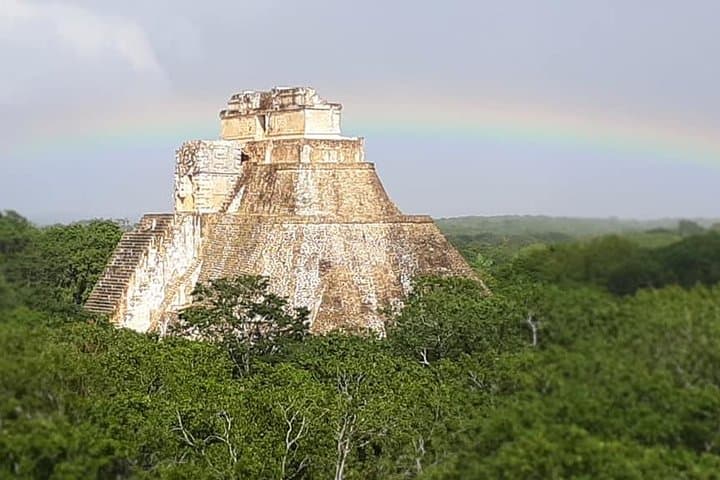
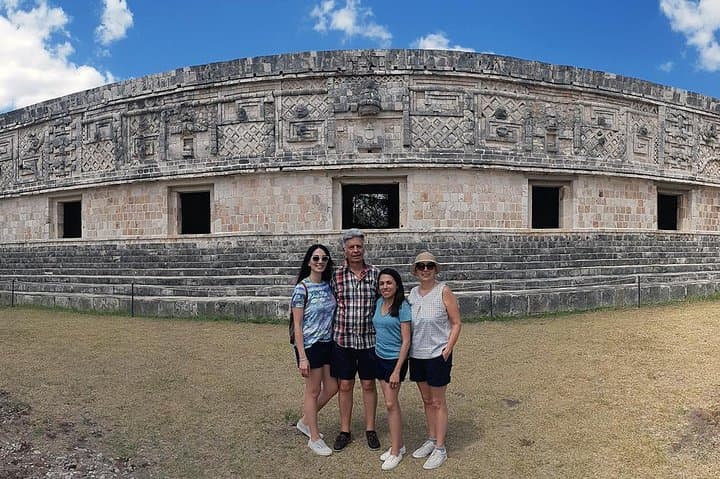
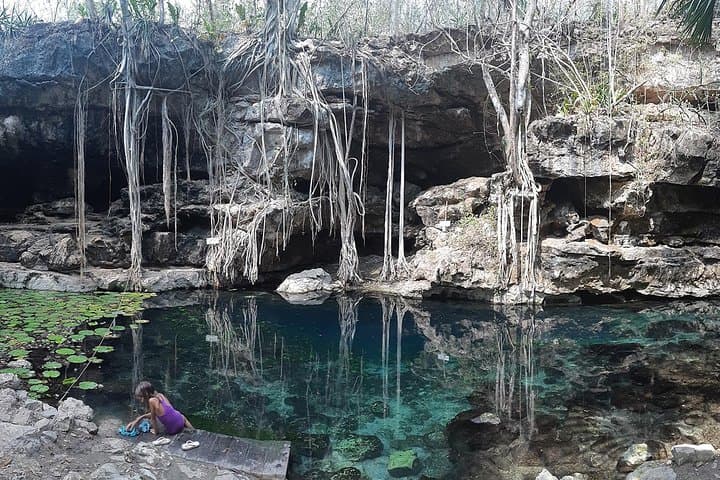
Dawn breaks over a cleared plaza at Chichén Itzá and the stone faces of the Temple of Kukulkán hold the cool of night while tour groups gather in a hush. On this three‑day private route the peninsula moves with you: Merida’s colonial squares pulse with markets and falling light; Uxmal shows off its Puuc curves and finely worked stone; underground water waits in a shaded cenote; and the Caribbean crashes soft against Tulum’s cliffside ruins.
Verified experiences and guided adventures in the surrounding area.
Operated by Best Maya Tours · Playa del Carmen, Quintana Roo
Dawn breaks over a cleared plaza at Chichén Itzá and the stone faces of the Temple of Kukulkán hold the cool of night while tour groups gather in a hush. On this three‑day private route the peninsula moves with you: Merida’s colonial squares pulse with markets and falling light; Uxmal shows off its Puuc curves and finely worked stone; underground water waits in a shaded cenote; and the Caribbean crashes soft against Tulum’s cliffside ruins.
Geology here is limestone and porous karst—sinkholes and cenotes formed where the bedrock collapsed and groundwater opened caverns. That same porous stone made Maya cities possible, storing cenotes for ritual and water. The sites visited span Maya history: Chichén Itzá’s Late Classic and Postclassic monuments, Uxmal’s elegant Puuc architecture, and coastal Tulum’s maritime trade role. Merida layers Spanish colonial streets over indigenous roots and contemporary Yucatecan culture—food, music and craft markets are local touchpoints.
Practically, expect long driving blocks punctuated by guided walks: short climbs up pyramids, uneven stone surfaces, and brief swims. Early starts beat heat and crowds; carry a reusable water bottle, breathable footwear, and a small daypack for sunscreen, cash and swim gear. Cenote swims are refreshing but avoid sunscreen or wear biodegradable sunblock to protect the water. The tour’s private transport and included meals simplify logistics, but bring patience for three full days of travel. Pace yourself: hydrate, use insect repellent, and let the landscape—rock and water—set the rhythm.
moderate.
3 days (approx. 72 hours).
Comfortable with several hours of walking per day, some stair climbing; accessible to most fitness levels with reasonable mobility
The operator lists wheelchair accessibility for transport and many surfaces, but many archaeological sites have uneven ground and steps—check specific site access in advance.
Admissions for listed archaeological sites and three lunches plus breakfasts are included; confirm any optional extras with the provider.
Expect multiple guided walks of 1–2 hours at sites with standing and some climbing; drives between sites are longer, so plan for intermittent activity.
Mexican pesos are commonly used for small purchases and tips; tipping guides and drivers 10–15% or a small daily amount is customary.
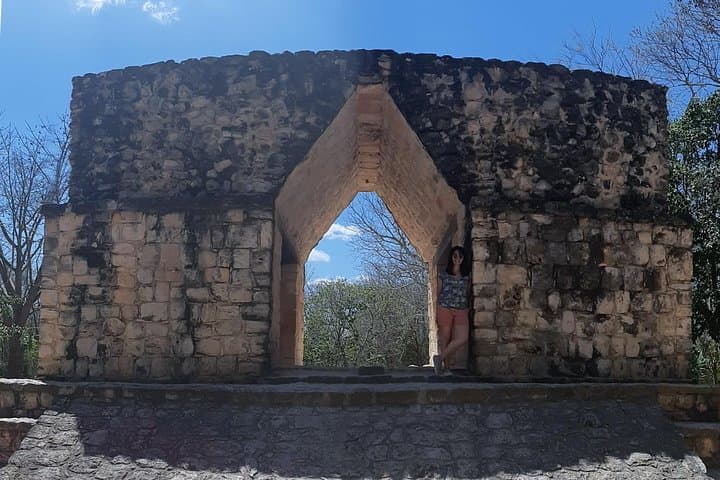
The route highlights classic and postclassic Maya centers—Chichén Itzá, Uxmal and Coba—showing varied architectural styles and regional trade links including coastal Tulum.
Cenotes and archaeological sites are sensitive: use biodegradable products, avoid touching carvings, and follow guide directions to minimize impact.
Best Maya Tours operates guided outdoor trips and adventures with an emphasis on safety, stewardship, and memorable experiences.
Dawn breaks over a cleared plaza at Chichén Itzá and the stone faces of the Temple of Kukulkán hold the cool of night while tour groups gather in a hush. On this three‑day private route the peninsula moves with you: Merida’s colonial squares pulse with markets and falling light; Uxmal shows off its Puuc curves and finely worked stone; underground water waits in a shaded cenote; and the Caribbean crashes soft against Tulum’s cliffside ruins.
Dawn breaks over a cleared plaza at Chichén Itzá and the stone faces of the Temple of Kukulkán hold the cool of night while tour groups gather in a hush. On this three‑day private route the peninsula moves with you: Merida’s colonial squares pulse with markets and falling light; Uxmal shows off its Puuc curves and finely worked stone; underground water waits in a shaded cenote; and the Caribbean crashes soft against Tulum’s cliffside ruins.
Geology here is limestone and porous karst—sinkholes and cenotes formed where the bedrock collapsed and groundwater opened caverns. That same porous stone made Maya cities possible, storing cenotes for ritual and water. The sites visited span Maya history: Chichén Itzá’s Late Classic and Postclassic monuments, Uxmal’s elegant Puuc architecture, and coastal Tulum’s maritime trade role. Merida layers Spanish colonial streets over indigenous roots and contemporary Yucatecan culture—food, music and craft markets are local touchpoints.
Practically, expect long driving blocks punctuated by guided walks: short climbs up pyramids, uneven stone surfaces, and brief swims. Early starts beat heat and crowds; carry a reusable water bottle, breathable footwear, and a small daypack for sunscreen, cash and swim gear. Cenote swims are refreshing but avoid sunscreen or wear biodegradable sunblock to protect the water. The tour’s private transport and included meals simplify logistics, but bring patience for three full days of travel. Pace yourself: hydrate, use insect repellent, and let the landscape—rock and water—set the rhythm.