THE ADVENTURE COLLECTIVE® · Independent discovery and booking for outdoor travel

Spend a focused day exploring Yellowstone’s Northern Range with a naturalist guide. From Lamar Valley’s grazing bison to Slough Creek’s wolf territories, this private small-group safari combines scope-based viewing with local ecological context and comfort.
Spend a focused day exploring Yellowstone’s Northern Range with a naturalist guide. From Lamar Valley’s grazing bison to Slough Creek’s wolf territories, this private small-group safari combines scope-based viewing with local ecological context and comfort.
A dawn hush hangs over the broad floor of Lamar Valley as your guide eases the vehicle to a quiet pullout. The grass breathes mist, and distant shapes—bison, elk, a grazing grizzly—move like punctuation against flat light. This private small-group safari spends an entire day following Yellowstone’s Northern Range rhythms, seeking the park’s large mammals from deliberate vantage points and using high-powered optics to bring distant behaviors close.
Verified experiences and guided adventures in the surrounding area.
Operated by Yellowstone Recreation Company · Gardiner, Montana
A dawn hush hangs over the broad floor of Lamar Valley as your guide eases the vehicle to a quiet pullout. The grass breathes mist, and distant shapes—bison, elk, a grazing grizzly—move like punctuation against flat light. This private small-group safari spends an entire day following Yellowstone’s Northern Range rhythms, seeking the park’s large mammals from deliberate vantage points and using high-powered optics to bring distant behaviors close.
The valley’s volcanic roots trace back to Yellowstone’s caldera; scrubby sage and river-cut benches sit atop layers of ash and basalt. Lamar’s open grasslands and Slough Creek’s willow-lined channels support dense ungulate populations, which in turn draw wolves and bears—an ecological web studied since early park naturalists recorded elk migrations and predator-prey recoveries here.
Culturally, the area sits within lands long used by Indigenous peoples and later by trappers and homesteaders; modern conservation work balances visitor access with habitat protection.
Practical guidance: the trip runs about eight hours from Gardiner and is best started at or before first light. Expect lots of vehicle-based observing with short stops for scope viewing and photos; bring layered clothing for variable mountain weather, a charged camera, and patience—animals move on their terms. Guides provide spotting scopes, binoculars, snacks, and lunch, and will advise on safety distances around wildlife. Be prepared for dusty pullouts and slow-moving traffic when sights cluster. Early-season snow or late-season cold can change timing—confirm pickup and park entry details with your operator. This is a day designed for watching, waiting, and being present to see Yellowstone act out its wild life.
easy.
8 hours.
Suitable for all fitness levels; primarily vehicle-based with short, easy stops.
No. Guides use local knowledge to find animals, but sightings depend on time of year, weather, and animal movement; the Northern Range offers the best chances in the park.
Tours typically start in Gardiner, MT, with pickup coordinated in advance; confirm exact pickup or meeting locations with your operator.
Yes—this is family-friendly and physically easy, but children must follow safety rules around wildlife and remain seated when instructed.
Your tour operator usually handles park entry fees and permits; confirm this at booking, as arrangements vary by provider.
The Northern Range has been studied since early 20th-century naturalists observed elk and wolf dynamics; reintroduction of wolves in the 1990s reshaped the valley’s ecology.
Yellowstone manages visitor access to reduce disturbance: stay on hardened surfaces, obey closures, and follow your guide’s instructions to minimize impact on sensitive habitat.
Yellowstone Recreation Company operates guided outdoor trips and adventures with an emphasis on safety, stewardship, and memorable experiences.
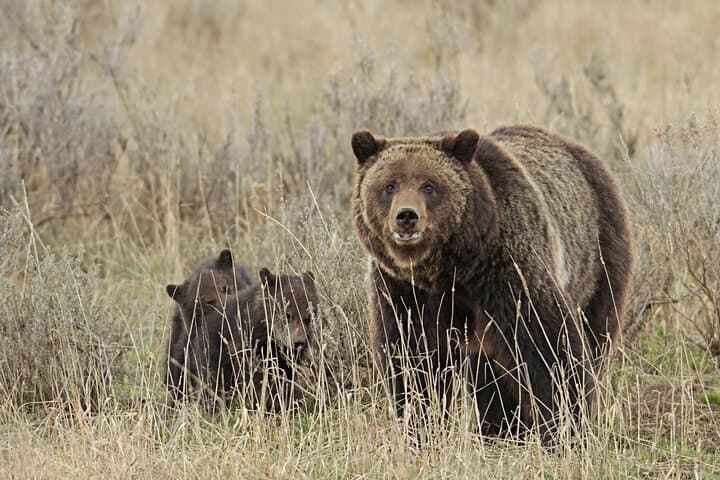
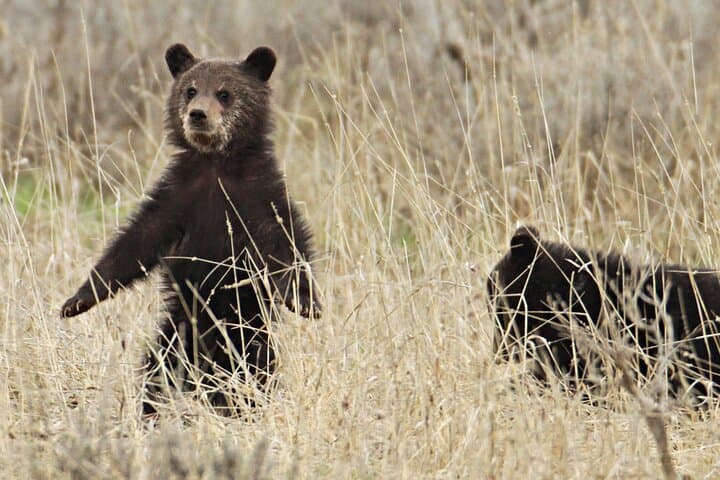
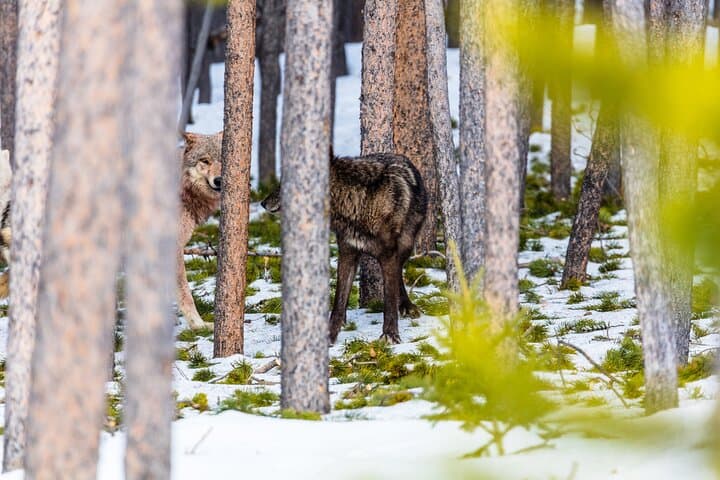
A dawn hush hangs over the broad floor of Lamar Valley as your guide eases the vehicle to a quiet pullout. The grass breathes mist, and distant shapes—bison, elk, a grazing grizzly—move like punctuation against flat light. This private small-group safari spends an entire day following Yellowstone’s Northern Range rhythms, seeking the park’s large mammals from deliberate vantage points and using high-powered optics to bring distant behaviors close.
A dawn hush hangs over the broad floor of Lamar Valley as your guide eases the vehicle to a quiet pullout. The grass breathes mist, and distant shapes—bison, elk, a grazing grizzly—move like punctuation against flat light. This private small-group safari spends an entire day following Yellowstone’s Northern Range rhythms, seeking the park’s large mammals from deliberate vantage points and using high-powered optics to bring distant behaviors close.
The valley’s volcanic roots trace back to Yellowstone’s caldera; scrubby sage and river-cut benches sit atop layers of ash and basalt. Lamar’s open grasslands and Slough Creek’s willow-lined channels support dense ungulate populations, which in turn draw wolves and bears—an ecological web studied since early park naturalists recorded elk migrations and predator-prey recoveries here.
Culturally, the area sits within lands long used by Indigenous peoples and later by trappers and homesteaders; modern conservation work balances visitor access with habitat protection.
Practical guidance: the trip runs about eight hours from Gardiner and is best started at or before first light. Expect lots of vehicle-based observing with short stops for scope viewing and photos; bring layered clothing for variable mountain weather, a charged camera, and patience—animals move on their terms. Guides provide spotting scopes, binoculars, snacks, and lunch, and will advise on safety distances around wildlife. Be prepared for dusty pullouts and slow-moving traffic when sights cluster. Early-season snow or late-season cold can change timing—confirm pickup and park entry details with your operator. This is a day designed for watching, waiting, and being present to see Yellowstone act out its wild life.