THE ADVENTURE COLLECTIVE® · Independent discovery and booking for outdoor travel

Spend a full day exploring Yellowstone’s wildlife hotspots on a private safari from Cody. Naturalist guides tailor the route—Lamar Valley, Slough Creek, Shoshone Canyon—to maximize sightings and teach the ecology behind each encounter.
Spend a full day exploring Yellowstone’s wildlife hotspots on a private safari from Cody. Naturalist guides tailor the route—Lamar Valley, Slough Creek, Shoshone Canyon—to maximize sightings and teach the ecology behind each encounter.
The road rises out of Cody before the first light has fully settled on the Absaroka Range. You feel the vehicle settle into a rhythm—a slow, intentional pace that lets the landscape reveal itself rather than rush past. Elk stand like bronze sentries on ridgelines, and in low river flats elk and pronghorn move with a watchful ease. Your guide, a naturalist who has spent seasons reading animal tracks and weather patterns, narrows the binoculars and points: a distant dark shape, then another, the valley offering up its private theater.
Verified experiences and guided adventures in the surrounding area.
Operated by Yellowstone Safari Co. · Cody, Wyoming
The road rises out of Cody before the first light has fully settled on the Absaroka Range. You feel the vehicle settle into a rhythm—a slow, intentional pace that lets the landscape reveal itself rather than rush past. Elk stand like bronze sentries on ridgelines, and in low river flats elk and pronghorn move with a watchful ease. Your guide, a naturalist who has spent seasons reading animal tracks and weather patterns, narrows the binoculars and points: a distant dark shape, then another, the valley offering up its private theater.
This is Yellowstone in its working mode: geology pushing up heat and rivers cutting through, and ecology arranging itself around both. The Lamar Valley, often called North America’s Serengeti for its large mammals and predator-prey dynamics, is the highlight of a private full-day safari that runs 10 to 12 hours from Cody. Guides weave natural history into the route—how the Yellowstone River carved channels at the end of the last ice age, how the Absarokas feed storms from the west, and how Indigenous peoples and later explorers used these corridors for millennia.
The trip is vehicle-led with multiple short stops—Shoshone Canyon, Slough Creek, Sylvan Pass—and time for guided walks, picnics, and scope viewing. You’ll sit at roughly 6,000–7,000 feet elevation for much of the day; the terrain is mostly gentle valley bottoms punctuated by rugged ridges. Guides bring spotting scopes and binoculars, though many guests bring their own optics and cameras. Meals are simple and local: a picnic lunch served in recyclable packaging, supplied snacks, and plenty of nonalcoholic beverages.
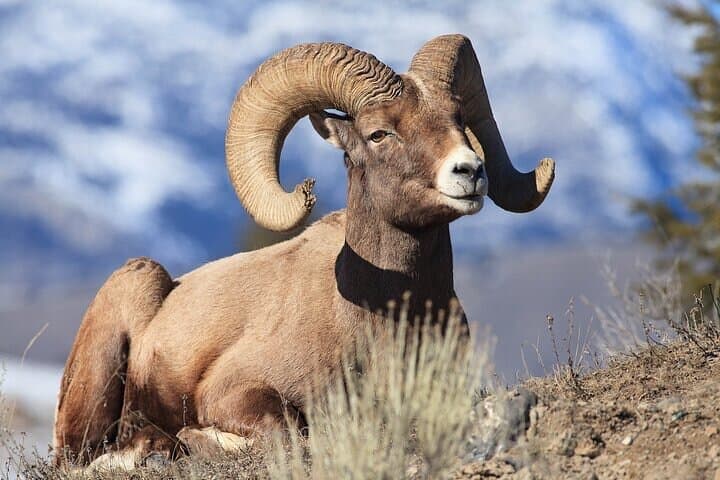
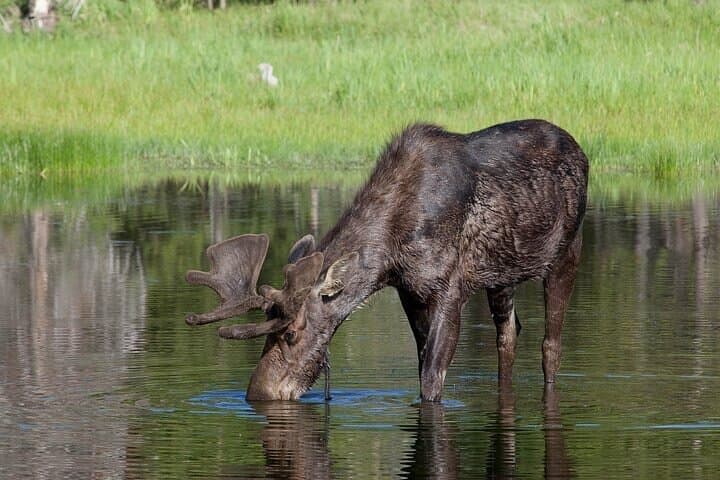
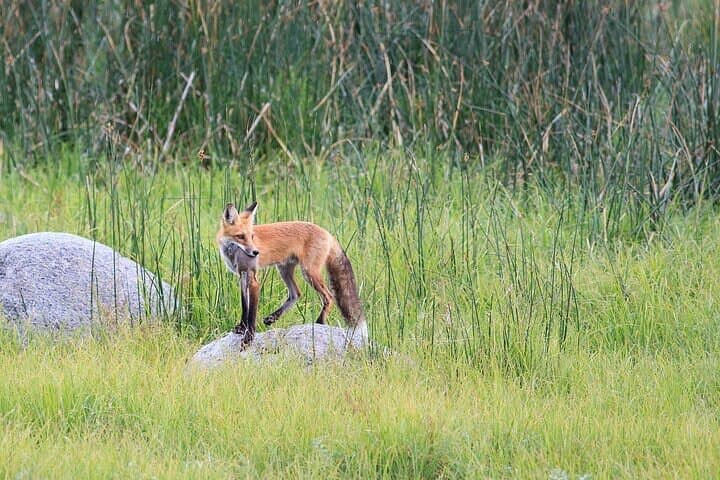
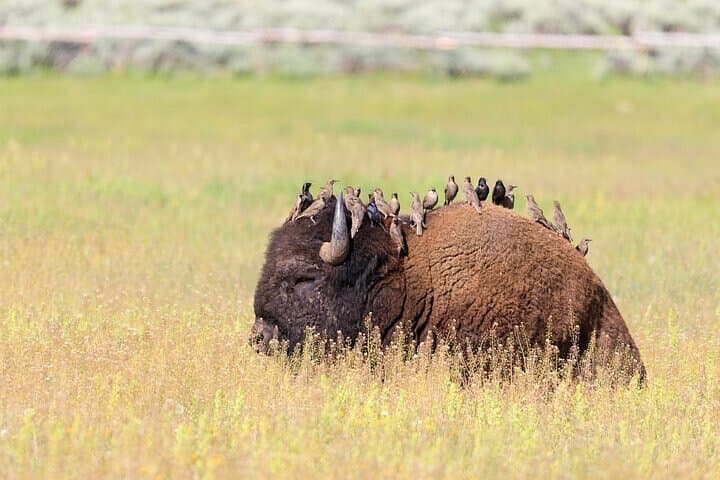
Expect to see bison, elk, and, with patience and luck, gray wolves and grizzly bears—your guide will manage approach distances and safety. The itinerary is flexible and responsive to wildlife movements, road conditions, and seasonal access. Summer brings construction delays in parts of the park; spring opens newborns and migrating birds; fall thickens the predator action; winter access is restricted and the tour operates on a different schedule.
Practical matters: dress in layers, bring high-SPF sun protection, and carry water for altitude and long daylight hours. Be prepared to sit quietly for stretches—animals show up when you are still and observant. Park entrance fees and gratuities are not included, and guides will confirm pickup time in Cody based on season.
This is less a checklist of landmarks and more a slow negotiation with a living landscape. The day is for watching, learning, and understanding how Yellowstone’s rivers and ridges choreograph life. Leave room in your camera roll for silence and for the small, revealing moments a knowledgeable guide can point out—a wolf’s silhouette melting into sage, a pair of eagles working a thermocline, the river daring you to follow its story downstream.
easy.
10–12 hours.
Low-impact: comfortable sitting for long stretches with short, optional walks; basic mobility is sufficient
The private safari runs approximately 10 to 12 hours, depending on wildlife activity and road conditions.
No, park entrance fees and guide gratuities are not included in the tour price.
Sightings are never guaranteed, but guides know current hotspots and use scopes to increase viewing opportunities.
Yes. The operator notes the tour is suitable for all fitness levels and wheelchair accessible; bring any required car or booster seats.
Lunch, snacks, and nonalcoholic beverages are included and are locally sourced; bring personal snacks if you need specific items.
Guests are picked up and dropped off at lodging in Cody; exact pickup times are confirmed by the operator based on season.
Yellowstone was designated the world’s first national park in 1872 and its valleys have been travel corridors for Native nations and settlers for centuries.
Visitors must follow park regulations to minimize disturbance to wildlife; guides enforce safe viewing distances and promote leave-no-trace practices.
Yellowstone Safari Co. operates guided outdoor trips and adventures with an emphasis on safety, stewardship, and memorable experiences.
The road rises out of Cody before the first light has fully settled on the Absaroka Range. You feel the vehicle settle into a rhythm—a slow, intentional pace that lets the landscape reveal itself rather than rush past. Elk stand like bronze sentries on ridgelines, and in low river flats elk and pronghorn move with a watchful ease. Your guide, a naturalist who has spent seasons reading animal tracks and weather patterns, narrows the binoculars and points: a distant dark shape, then another, the valley offering up its private theater.
The road rises out of Cody before the first light has fully settled on the Absaroka Range. You feel the vehicle settle into a rhythm—a slow, intentional pace that lets the landscape reveal itself rather than rush past. Elk stand like bronze sentries on ridgelines, and in low river flats elk and pronghorn move with a watchful ease. Your guide, a naturalist who has spent seasons reading animal tracks and weather patterns, narrows the binoculars and points: a distant dark shape, then another, the valley offering up its private theater.
This is Yellowstone in its working mode: geology pushing up heat and rivers cutting through, and ecology arranging itself around both. The Lamar Valley, often called North America’s Serengeti for its large mammals and predator-prey dynamics, is the highlight of a private full-day safari that runs 10 to 12 hours from Cody. Guides weave natural history into the route—how the Yellowstone River carved channels at the end of the last ice age, how the Absarokas feed storms from the west, and how Indigenous peoples and later explorers used these corridors for millennia.
The trip is vehicle-led with multiple short stops—Shoshone Canyon, Slough Creek, Sylvan Pass—and time for guided walks, picnics, and scope viewing. You’ll sit at roughly 6,000–7,000 feet elevation for much of the day; the terrain is mostly gentle valley bottoms punctuated by rugged ridges. Guides bring spotting scopes and binoculars, though many guests bring their own optics and cameras. Meals are simple and local: a picnic lunch served in recyclable packaging, supplied snacks, and plenty of nonalcoholic beverages.
Expect to see bison, elk, and, with patience and luck, gray wolves and grizzly bears—your guide will manage approach distances and safety. The itinerary is flexible and responsive to wildlife movements, road conditions, and seasonal access. Summer brings construction delays in parts of the park; spring opens newborns and migrating birds; fall thickens the predator action; winter access is restricted and the tour operates on a different schedule.
Practical matters: dress in layers, bring high-SPF sun protection, and carry water for altitude and long daylight hours. Be prepared to sit quietly for stretches—animals show up when you are still and observant. Park entrance fees and gratuities are not included, and guides will confirm pickup time in Cody based on season.
This is less a checklist of landmarks and more a slow negotiation with a living landscape. The day is for watching, learning, and understanding how Yellowstone’s rivers and ridges choreograph life. Leave room in your camera roll for silence and for the small, revealing moments a knowledgeable guide can point out—a wolf’s silhouette melting into sage, a pair of eagles working a thermocline, the river daring you to follow its story downstream.