THE ADVENTURE COLLECTIVE® · Independent discovery and booking for outdoor travel

A private, full-day tour from Gardiner that stitches together Yellowstone’s signature moments — Roosevelt Arch, Mammoth Hot Springs, Norris Basin, Grand Prismatic and Old Faithful — with a seasoned guide, picnic lunch, and spotting scopes for wildlife. Practical, flexible, and ideal for first-time visitors who want the park’s highlights without the logistics hassle.
A private, full-day tour from Gardiner that stitches together Yellowstone’s signature moments — Roosevelt Arch, Mammoth Hot Springs, Norris Basin, Grand Prismatic and Old Faithful — with a seasoned guide, picnic lunch, and spotting scopes for wildlife. Practical, flexible, and ideal for first-time visitors who want the park’s highlights without the logistics hassle.
You step out of the van and the park greets you with a chorus of steam and a sulfur-tinged wind that tugs at your jacket. The guide folds the map, points to the Roosevelt Arch across the highway and, with a practiced eye, picks a route through the day’s crowds. Over the next five to six hours the tour moves like a well-paced conversation: short walks to boardwalks and overlooks, binoculars lifted for distant bull elk, and a picnic lunch spread on a boulder with steam rising from the nearby terraces.
Verified experiences and guided adventures in the surrounding area.
Operated by Yellowstone Dreamin Adventures · Gardiner, Montana
You step out of the van and the park greets you with a chorus of steam and a sulfur-tinged wind that tugs at your jacket. The guide folds the map, points to the Roosevelt Arch across the highway and, with a practiced eye, picks a route through the day’s crowds. Over the next five to six hours the tour moves like a well-paced conversation: short walks to boardwalks and overlooks, binoculars lifted for distant bull elk, and a picnic lunch spread on a boulder with steam rising from the nearby terraces.
Yellowstone is America’s first national park (established 1872) and a living laboratory of volcanic geology. The caldera beneath your feet is the engine for the park’s thermal features — hot water circuiting through silica and minerals that paint terraces at Mammoth and color the Grand Prismatic in exaggerated watercolor. At Mammoth Hot Springs, travertine cascades build and shift slowly, their ridges a record of chemistry and temperature. Norris Geyser Basin, older and hotter, reminds you that the ground here is neither quiet nor permanent: pools change color and vents open on timescales that outlast human visits.
Cultural history threads through the landscape. The route skirts lands used by the Crow, Shoshone, and other tribes for millennia; later, Fort Yellowstone and the Roosevelt Arch signaled a new federal presence and the era of modern park management. Today’s guides balance storytelling with stewardship — emphasizing boardwalk etiquette and wildlife safety as part of the park’s living rules.
For travelers, this private tour is practical luxury: a local driver-guide handles logistics and timing, high-powered binoculars and spotting scopes bring distant herds into focus, and a picnic lunch is timed so you’re outdoors rather than queued at crowded facilities. The itinerary is deliberately flexible — the guide will choose whether to climb the short trail for the Grand Prismatic overlook, linger at Norris, or catch an Old Faithful eruption depending on crowds and timing.
Plan to dress in layers, bring a refillable water bottle, and keep your camera ready for sudden wildlife moments in Lamar or Hayden Valleys. Respect the boardwalks — the thermal ground is fragile and dangerous. Yellowstone’s weather can shift fast: mornings are cold even in summer, and afternoons can turn windy or rainy. Park entrance fees are separate from the tour; bring your receipt or National Parks pass. Because this is a private outing, you can tailor priorities to photography, wildlife, or geothermal science — let the guide know your top interests when they call before your trip.
The tour delivers a compressed but intimate rotation through Yellowstone’s highlights: historic gateways, living geology, and the chance to watch a landscape that is always moving, always speaking, and at once ancient and immediate.
easy.
5–6 hours.
Light walking on boardwalks and short trails; suitable for most fitness levels with basic mobility.
No — National Park entrance fees are separate; have a valid receipt or National Parks pass available for inspection at entry.
Children are welcome and small children can use strollers; only service animals are permitted in the park — pets are not allowed on trails or boardwalks.
Yes — the guide will contact you before the tour to confirm lunch orders and can typically accommodate common dietary needs with advance notice.
Expect several short walks from the vehicle to boardwalks and overlooks, generally under a mile cumulative on mostly flat terrain.
Remain calm, keep distance, and follow your guide’s directions; do not approach or attempt to feed animals under any circumstances.
All sales are final per the supplier; tours may be canceled for bad weather and are nonrefundable, so plan accordingly.
The Roosevelt Arch marks the park’s northern gateway and reflects early-20th-century federal efforts to formalize Yellowstone’s protection; the park itself was designated in 1872 as the first national park in the U.S.
Stay on boardwalks and trails to protect delicate thermal features and limit disturbances to wildlife; pack out trash and follow Leave No Trace and NPS guidelines.
Yellowstone Dreamin Adventures operates guided outdoor trips and adventures with an emphasis on safety, stewardship, and memorable experiences.
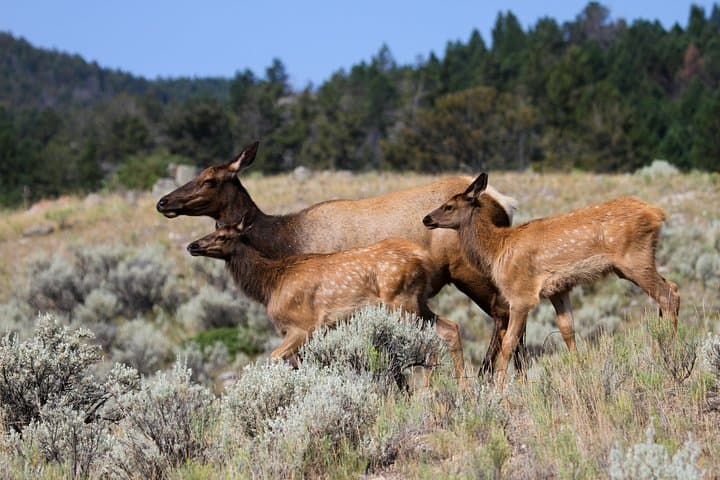
You step out of the van and the park greets you with a chorus of steam and a sulfur-tinged wind that tugs at your jacket. The guide folds the map, points to the Roosevelt Arch across the highway and, with a practiced eye, picks a route through the day’s crowds. Over the next five to six hours the tour moves like a well-paced conversation: short walks to boardwalks and overlooks, binoculars lifted for distant bull elk, and a picnic lunch spread on a boulder with steam rising from the nearby terraces.
You step out of the van and the park greets you with a chorus of steam and a sulfur-tinged wind that tugs at your jacket. The guide folds the map, points to the Roosevelt Arch across the highway and, with a practiced eye, picks a route through the day’s crowds. Over the next five to six hours the tour moves like a well-paced conversation: short walks to boardwalks and overlooks, binoculars lifted for distant bull elk, and a picnic lunch spread on a boulder with steam rising from the nearby terraces.
Yellowstone is America’s first national park (established 1872) and a living laboratory of volcanic geology. The caldera beneath your feet is the engine for the park’s thermal features — hot water circuiting through silica and minerals that paint terraces at Mammoth and color the Grand Prismatic in exaggerated watercolor. At Mammoth Hot Springs, travertine cascades build and shift slowly, their ridges a record of chemistry and temperature. Norris Geyser Basin, older and hotter, reminds you that the ground here is neither quiet nor permanent: pools change color and vents open on timescales that outlast human visits.
Cultural history threads through the landscape. The route skirts lands used by the Crow, Shoshone, and other tribes for millennia; later, Fort Yellowstone and the Roosevelt Arch signaled a new federal presence and the era of modern park management. Today’s guides balance storytelling with stewardship — emphasizing boardwalk etiquette and wildlife safety as part of the park’s living rules.
For travelers, this private tour is practical luxury: a local driver-guide handles logistics and timing, high-powered binoculars and spotting scopes bring distant herds into focus, and a picnic lunch is timed so you’re outdoors rather than queued at crowded facilities. The itinerary is deliberately flexible — the guide will choose whether to climb the short trail for the Grand Prismatic overlook, linger at Norris, or catch an Old Faithful eruption depending on crowds and timing.
Plan to dress in layers, bring a refillable water bottle, and keep your camera ready for sudden wildlife moments in Lamar or Hayden Valleys. Respect the boardwalks — the thermal ground is fragile and dangerous. Yellowstone’s weather can shift fast: mornings are cold even in summer, and afternoons can turn windy or rainy. Park entrance fees are separate from the tour; bring your receipt or National Parks pass. Because this is a private outing, you can tailor priorities to photography, wildlife, or geothermal science — let the guide know your top interests when they call before your trip.
The tour delivers a compressed but intimate rotation through Yellowstone’s highlights: historic gateways, living geology, and the chance to watch a landscape that is always moving, always speaking, and at once ancient and immediate.