THE ADVENTURE COLLECTIVE® · Independent discovery and booking for outdoor travel

Spend a private, customizable day exploring the Terracotta Warriors and Xi'an's key cultural sites. This 8‑hour tour combines guided archaeology with options like the City Wall or Muslim Quarter for a tailored cultural deep dive.
Spend a private, customizable day exploring the Terracotta Warriors and Xi'an's key cultural sites. This 8‑hour tour combines guided archaeology with options like the City Wall or Muslim Quarter for a tailored cultural deep dive.
You step from the air-conditioned vehicle into a sun-streaked plaza outside Pit 1, the earth around you still holding the hush of millennia. Rows of painted clay soldiers stare outward, each face different, each posture a small argument with time. The guide pulls you close to a broken chariot, letting the scale of the site settle in — thousands of figures once guarding the tomb of China’s First Emperor.
Verified experiences and guided adventures in the surrounding area.
Operated by Lily's Private Tours · Xi'an, Shaanxi
You step from the air-conditioned vehicle into a sun-streaked plaza outside Pit 1, the earth around you still holding the hush of millennia. Rows of painted clay soldiers stare outward, each face different, each posture a small argument with time. The guide pulls you close to a broken chariot, letting the scale of the site settle in — thousands of figures once guarding the tomb of China’s First Emperor.
The Terracotta Army dates to the late 3rd century BCE, part of Qin Shihuang’s burial complex in Lintong District. Geologically the site sits on fertile loess plains, the same wind-deposited soils that preserved pottery and organic remains across northern Shaanxi. Culturally, Xi'an was the eastern terminus of the Silk Road and the capital for successive dynasties; the museum frames the army within that wider imperial history.
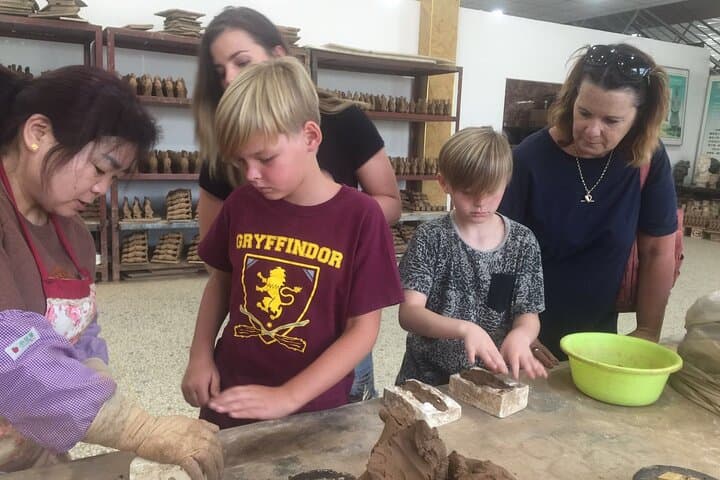
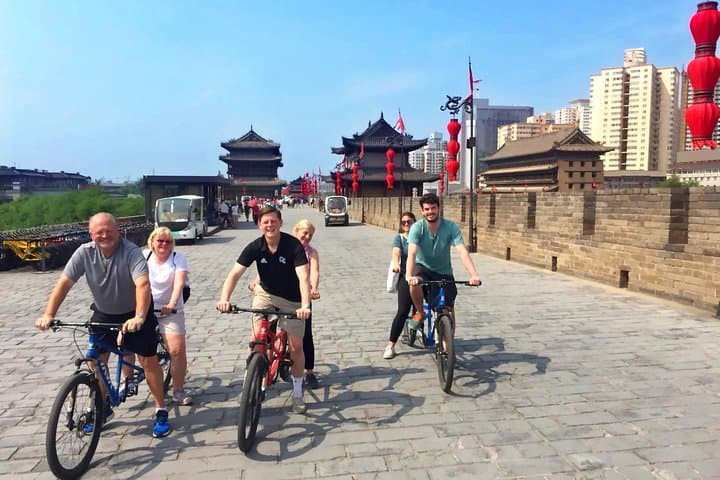
This private, customizable eight-hour tour pairs museum time with options — city wall cycling, the Muslim Quarter’s food lanes, Hanyangling burial mounds or the Big Wild Goose Pagoda — letting you trade depth for breadth. Expect 2–3 km of mostly flat walking on paved and compacted paths, minimal elevation change, and both indoor gallery and outdoor pit exposures.
Practical edge: arrive early to avoid coach crowds, carry a light layer for indoor climate control, and pace your photos — some conservation areas restrict flash. Bring water, comfortable shoes, and a small daypack; the schedule is flexible but long, so plan bathroom and meal breaks into the day. With a local guide and a private vehicle, the day becomes less about the logistics and more about reading the buried chapters of an ancient capital.
easy.
8–9 hours.
Suitable for most travelers who can handle several hours of walking and standing; minimal elevation gain.
Many private Xi'an tours include museum admission and lunch, but policies vary—confirm inclusions with the operator at booking.
Expect around 1.5–2 hours to see Pits 1–3 thoroughly; longer if you want detailed photography or conservation exhibits.
Major visitor areas have paved paths and ramps, and transportation is often accessible, but some pit viewpoints involve stairs—notify the operator to arrange accommodations.
Yes; this private itinerary typically pairs the museum with one or two city sights like the City Wall or Muslim Quarter, depending on your interests and pace.
The Terracotta Army was created circa 210–209 BCE as part of Qin Shihuang’s mausoleum complex to accompany the emperor in the afterlife and reflect imperial military organization.
The site is under active conservation; follow guidelines to minimize impact, and support preservation by staying on marked routes and avoiding flash photography.
Lily's Private Tours operates guided outdoor trips and adventures with an emphasis on safety, stewardship, and memorable experiences.
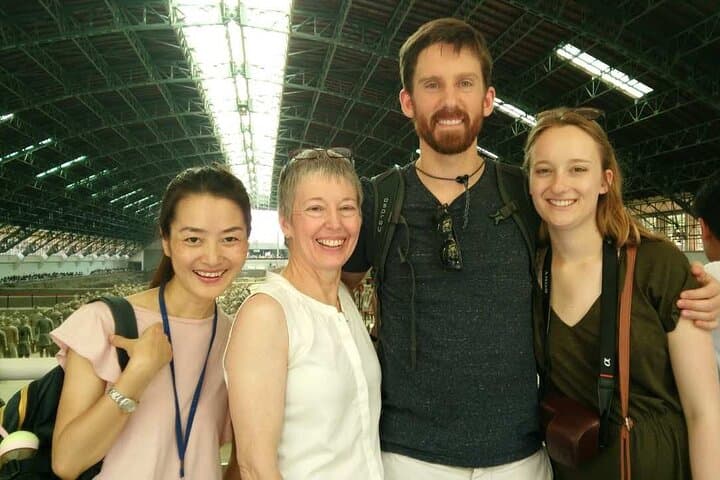
You step from the air-conditioned vehicle into a sun-streaked plaza outside Pit 1, the earth around you still holding the hush of millennia. Rows of painted clay soldiers stare outward, each face different, each posture a small argument with time. The guide pulls you close to a broken chariot, letting the scale of the site settle in — thousands of figures once guarding the tomb of China’s First Emperor.
You step from the air-conditioned vehicle into a sun-streaked plaza outside Pit 1, the earth around you still holding the hush of millennia. Rows of painted clay soldiers stare outward, each face different, each posture a small argument with time. The guide pulls you close to a broken chariot, letting the scale of the site settle in — thousands of figures once guarding the tomb of China’s First Emperor.
The Terracotta Army dates to the late 3rd century BCE, part of Qin Shihuang’s burial complex in Lintong District. Geologically the site sits on fertile loess plains, the same wind-deposited soils that preserved pottery and organic remains across northern Shaanxi. Culturally, Xi'an was the eastern terminus of the Silk Road and the capital for successive dynasties; the museum frames the army within that wider imperial history.
This private, customizable eight-hour tour pairs museum time with options — city wall cycling, the Muslim Quarter’s food lanes, Hanyangling burial mounds or the Big Wild Goose Pagoda — letting you trade depth for breadth. Expect 2–3 km of mostly flat walking on paved and compacted paths, minimal elevation change, and both indoor gallery and outdoor pit exposures.
Practical edge: arrive early to avoid coach crowds, carry a light layer for indoor climate control, and pace your photos — some conservation areas restrict flash. Bring water, comfortable shoes, and a small daypack; the schedule is flexible but long, so plan bathroom and meal breaks into the day. With a local guide and a private vehicle, the day becomes less about the logistics and more about reading the buried chapters of an ancient capital.