THE ADVENTURE COLLECTIVE® · Independent discovery and booking for outdoor travel

A private full-day Xi’an itinerary that pairs the Terracotta Warriors’ archaeological awe with cycling on the Ming city wall and a sensory finish in the Muslim Quarter. Tailored transport and a dedicated guide keep the day efficient and immersive.
A private full-day Xi’an itinerary that pairs the Terracotta Warriors’ archaeological awe with cycling on the Ming city wall and a sensory finish in the Muslim Quarter. Tailored transport and a dedicated guide keep the day efficient and immersive.
Morning light fractures across loess plains as the van slips out of Xi’an’s modern grid toward the Terracotta Army. Stones crunch under the tires and the display halls open like chapters — rows of weathered clay soldiers standing at attention, each face a different story. Later, the Tang-dynasty pagoda rises above manicured gardens, its carved bricks holding centuries of prayer and city memory.
Verified experiences and guided adventures in the surrounding area.
Operated by Opatrip.com China · Xi'an, Shaanxi
Morning light fractures across loess plains as the van slips out of Xi’an’s modern grid toward the Terracotta Army. Stones crunch under the tires and the display halls open like chapters — rows of weathered clay soldiers standing at attention, each face a different story. Later, the Tang-dynasty pagoda rises above manicured gardens, its carved bricks holding centuries of prayer and city memory.
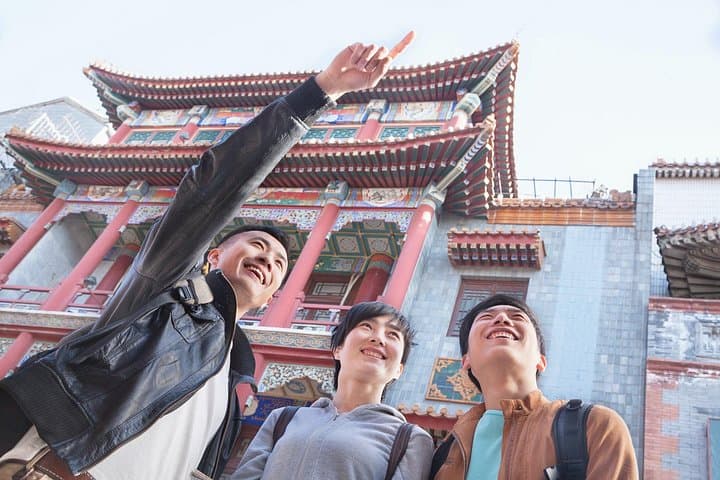
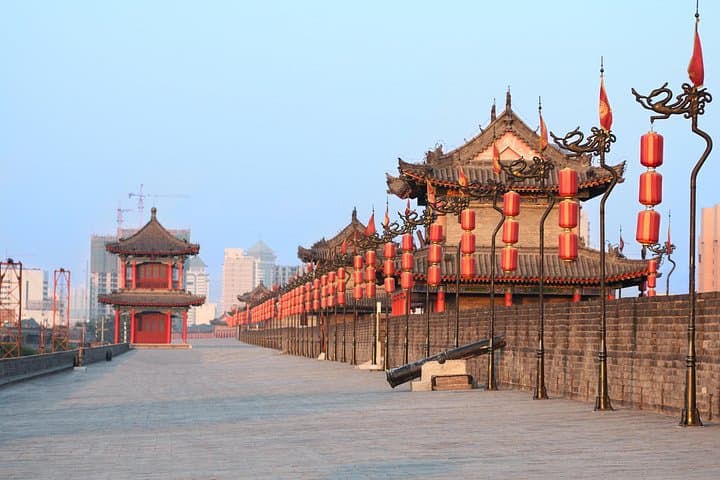
Xi’an is a living archive: the Terracotta Warriors date to the 3rd century BCE, part of Qin Shi Huang’s imperial mausoleum; the city wall—rebuilt in Ming times—traces older defensive lines and offers broad urban sightlines. Geologically, the surrounding plains are compacted loess, the same soft wind-deposited silt that preserved fragile artifacts. Culturally, the Muslim Quarter channels Xi’an’s Silk Road past with markets full of spices, noodles, and centuries-old culinary techniques.
Practical guidance is straightforward. This private day tour combines driving and short on-foot sections—expect several hundred meters of walking inside museum halls and a flat-to-rolling cycle or stroll atop the city wall (bring shoes with good soles). Timing matters: arrive early at the Terracotta pits to avoid midday visitation peaks; pace food sampling in the Muslim Quarter to leave room for a proper dinner. Hydrate—Shaanxi summers can be hot; winters bite with dry cold.
A private guide and vehicle simplify logistics, but visitors should carry ID for ticketing, bring cash for small stalls, and allow flexibility for traffic around downtown Xi’an. The day balances monumental archaeology, lived urban culture, and the steady rhythm of a city that has long bridged east and west.
easy.
8–9 hours.
Suitable for most fitness levels; involves short walks at each site and optional cycling on the city wall.
Yes—this private tour includes admission fees to the Terracotta Warriors and listed sites as part of the package.
No—cycling is optional; many guests prefer a relaxed walk along the wall instead of biking.
Yes—transport is private and walking is moderate; notify the operator of mobility concerns so pacing can be adjusted.
Bottled water is included; lunch is typically at the guest’s expense and can be arranged at local restaurants or sampled in the Muslim Quarter.
Xi’an served as the eastern terminus of the Silk Road and was capital for several of China’s major dynasties, shaping its layered architecture and cuisine.
Visitor flows can strain fragile archaeological sites; stick to designated paths and follow guide instructions to minimize impact.
Opatrip.com China operates guided outdoor trips and adventures with an emphasis on safety, stewardship, and memorable experiences.

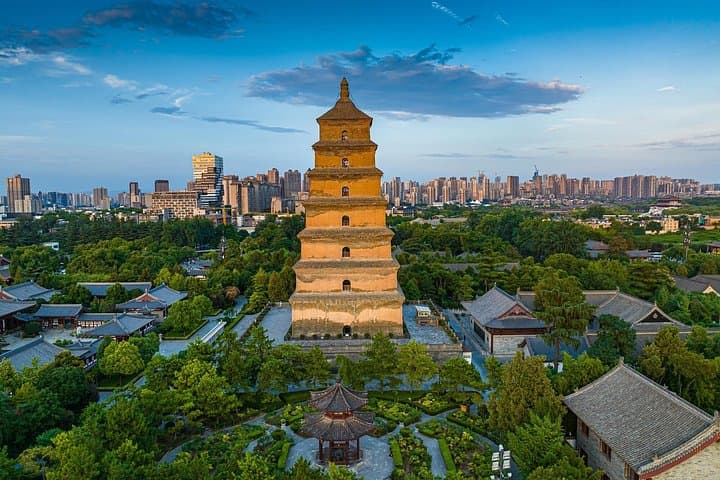
Morning light fractures across loess plains as the van slips out of Xi’an’s modern grid toward the Terracotta Army. Stones crunch under the tires and the display halls open like chapters — rows of weathered clay soldiers standing at attention, each face a different story. Later, the Tang-dynasty pagoda rises above manicured gardens, its carved bricks holding centuries of prayer and city memory.
Morning light fractures across loess plains as the van slips out of Xi’an’s modern grid toward the Terracotta Army. Stones crunch under the tires and the display halls open like chapters — rows of weathered clay soldiers standing at attention, each face a different story. Later, the Tang-dynasty pagoda rises above manicured gardens, its carved bricks holding centuries of prayer and city memory.
Xi’an is a living archive: the Terracotta Warriors date to the 3rd century BCE, part of Qin Shi Huang’s imperial mausoleum; the city wall—rebuilt in Ming times—traces older defensive lines and offers broad urban sightlines. Geologically, the surrounding plains are compacted loess, the same soft wind-deposited silt that preserved fragile artifacts. Culturally, the Muslim Quarter channels Xi’an’s Silk Road past with markets full of spices, noodles, and centuries-old culinary techniques.
Practical guidance is straightforward. This private day tour combines driving and short on-foot sections—expect several hundred meters of walking inside museum halls and a flat-to-rolling cycle or stroll atop the city wall (bring shoes with good soles). Timing matters: arrive early at the Terracotta pits to avoid midday visitation peaks; pace food sampling in the Muslim Quarter to leave room for a proper dinner. Hydrate—Shaanxi summers can be hot; winters bite with dry cold.
A private guide and vehicle simplify logistics, but visitors should carry ID for ticketing, bring cash for small stalls, and allow flexibility for traffic around downtown Xi’an. The day balances monumental archaeology, lived urban culture, and the steady rhythm of a city that has long bridged east and west.