THE ADVENTURE COLLECTIVE® · Independent discovery and booking for outdoor travel

Choose four signature Wuhan sites—Yellow Crane Tower, East Lake, Hubei Museum and Hubu Alley—on a private, half-day to full-day excursion with a local guide. Expect river panoramas, temple courtyards and streetfood stops stitched together with curb-to-curb convenience.
Choose four signature Wuhan sites—Yellow Crane Tower, East Lake, Hubei Museum and Hubu Alley—on a private, half-day to full-day excursion with a local guide. Expect river panoramas, temple courtyards and streetfood stops stitched together with curb-to-curb convenience.
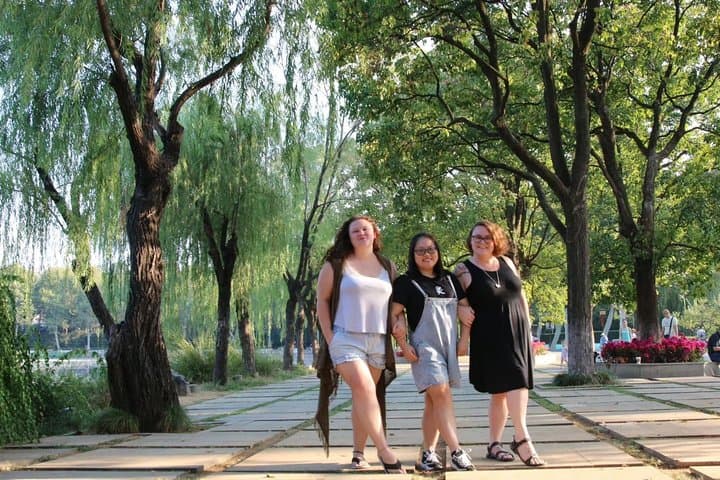
Morning traffic parts like a drawn curtain as your private car eases toward the Yangtze, the river that literally carved Wuhan’s three historic towns—Wuchang, Hankou and Hanyang—into one bustling city. From the curb the Yellow Crane Tower rises above the riverbank, paint bright against the sky; nearby, willows at East Lake bend low and restless water pushes a hush across shore-side paths.
Verified experiences and guided adventures in the surrounding area.
Operated by Rafiq in Wuhan · Wuhan, Hubei
Morning traffic parts like a drawn curtain as your private car eases toward the Yangtze, the river that literally carved Wuhan’s three historic towns—Wuchang, Hankou and Hanyang—into one bustling city. From the curb the Yellow Crane Tower rises above the riverbank, paint bright against the sky; nearby, willows at East Lake bend low and restless water pushes a hush across shore-side paths.
This one-day private tour stitches together Wuhan’s cultural landmarks, from the Bronze Age chimes of the Hubei Provincial Museum to the academic sprawl and spring cherry blossoms of Wuhan University. The Yangtze River Bridge—China’s first road-and-rail crossing—offers a raw, industrial panorama of a city shaped by commerce and current. Temple courtyards like Guiyuan and the quieter Gude reveal local religious rhythms: incense-stained timber, ritual commerce and the clack of coins for blessings. Food is an equal pillar here—Hubu Alley’s hot-and-dry noodles and Jiqing Street’s evening stalls are practical classroom for Wuhan’s culinary identity.
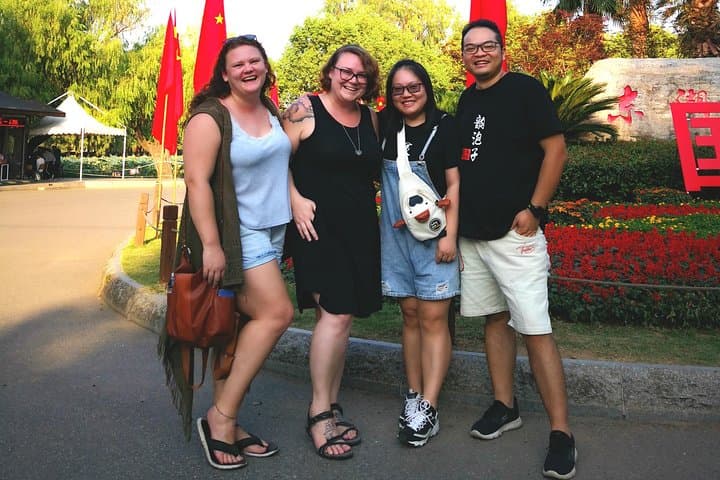
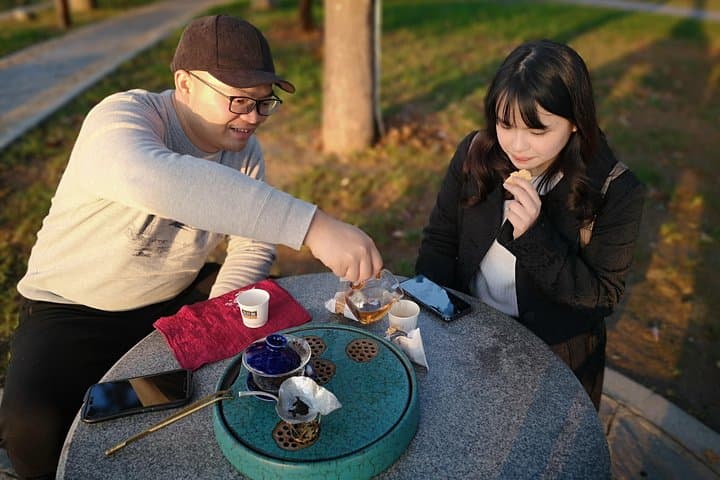
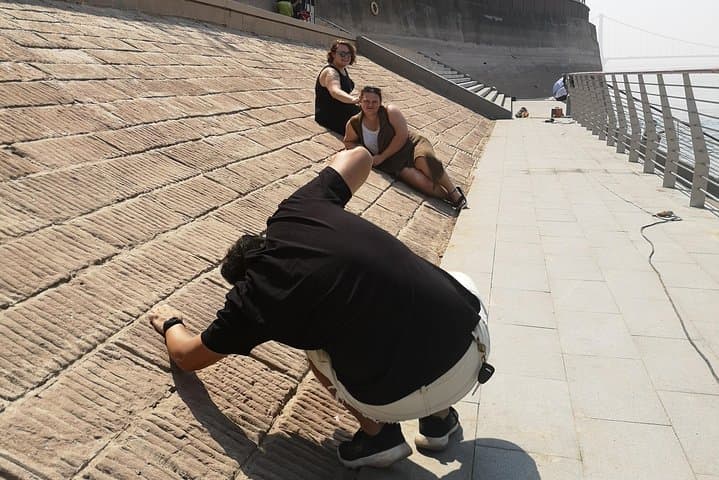
Practical notes: pick your four stops strategically—museums and towers take longer; lakeside walking is flexible. Expect heat and humidity in summer, heavy foot traffic during cherry blossom season, and slow-moving riverside traffic midday. The private guide/driver model means curb-to-curb transfers and a local interpreter who can pause for photos and tea tastings.
Bring a copy of your passport for museum entries, comfortable shoes for uneven temple steps and lakeside trails, and small local currency for street snacks. Start early to beat the crowds and midday heat; the rhythm of Wuhan often rewards those who move with the city’s morning light.
easy.
6–8 hours.
Light walking ability; able to manage stairs and uneven temple steps and short lakeside strolls
Yes — you pick four of the main eight spots (Yellow Crane Tower, East Lake, Hubei Museum, Yangtze Bridge, Ferry, Wuhan University, Guiyuan Temple, Gude Temple) and one food street (Hubu Alley or Jiqing Street).
Admissions for selected attractions are typically included as listed; meals are not included—street food and restaurant stops are paid by guests unless otherwise arranged.
Yes — infants can use strollers and may sit on laps; however the tour is not recommended for travelers with serious heart conditions or late-stage pregnancy.
The private guide/driver is available in English and Chinese; pickup from Wuhan downtown hotels is included and the operator confirms details before departure.
Wuhan grew from three river towns—Wuchang, Hankou and Hanyang—and landmarks like Yellow Crane Tower and the Yangtze Bridge reflect its strategic river history and modern growth.
East Lake and the Yangtze waterfront have active local conservation and clean-up efforts; visitors are asked to minimize litter and respect temple sites and natural shoreline habitats.
Rafiq in Wuhan operates guided outdoor trips and adventures with an emphasis on safety, stewardship, and memorable experiences.
Morning traffic parts like a drawn curtain as your private car eases toward the Yangtze, the river that literally carved Wuhan’s three historic towns—Wuchang, Hankou and Hanyang—into one bustling city. From the curb the Yellow Crane Tower rises above the riverbank, paint bright against the sky; nearby, willows at East Lake bend low and restless water pushes a hush across shore-side paths.
Morning traffic parts like a drawn curtain as your private car eases toward the Yangtze, the river that literally carved Wuhan’s three historic towns—Wuchang, Hankou and Hanyang—into one bustling city. From the curb the Yellow Crane Tower rises above the riverbank, paint bright against the sky; nearby, willows at East Lake bend low and restless water pushes a hush across shore-side paths.
This one-day private tour stitches together Wuhan’s cultural landmarks, from the Bronze Age chimes of the Hubei Provincial Museum to the academic sprawl and spring cherry blossoms of Wuhan University. The Yangtze River Bridge—China’s first road-and-rail crossing—offers a raw, industrial panorama of a city shaped by commerce and current. Temple courtyards like Guiyuan and the quieter Gude reveal local religious rhythms: incense-stained timber, ritual commerce and the clack of coins for blessings. Food is an equal pillar here—Hubu Alley’s hot-and-dry noodles and Jiqing Street’s evening stalls are practical classroom for Wuhan’s culinary identity.
Practical notes: pick your four stops strategically—museums and towers take longer; lakeside walking is flexible. Expect heat and humidity in summer, heavy foot traffic during cherry blossom season, and slow-moving riverside traffic midday. The private guide/driver model means curb-to-curb transfers and a local interpreter who can pause for photos and tea tastings.
Bring a copy of your passport for museum entries, comfortable shoes for uneven temple steps and lakeside trails, and small local currency for street snacks. Start early to beat the crowds and midday heat; the rhythm of Wuhan often rewards those who move with the city’s morning light.