THE ADVENTURE COLLECTIVE® · Independent discovery and booking for outdoor travel

Learn to wingfoil along the Costa Brava with focused, private coaching in Platja d'Aro. This 90-minute session combines a shore-side theory primer with guided on-water practice to get you riding and flying safely.
Learn to wingfoil along the Costa Brava with focused, private coaching in Platja d'Aro. This 90-minute session combines a shore-side theory primer with guided on-water practice to get you riding and flying safely.
The wind lifts off the headland and tugs at the wing as you step from warm sand into chop; the board shivers, then steadies, and for a few breathless seconds the sea is motionless beneath the foil. That first lift—gentle, precise—is what draws people to Platja d'Aro: a stretch of Costa Brava coastline where open beaches meet rocky coves and the wind can make the water feel like a moving stage.
Verified experiences and guided adventures in the surrounding area.
Operated by SET SAIL COSTA BRAVA · Platja d'Aro, Girona
The wind lifts off the headland and tugs at the wing as you step from warm sand into chop; the board shivers, then steadies, and for a few breathless seconds the sea is motionless beneath the foil. That first lift—gentle, precise—is what draws people to Platja d'Aro: a stretch of Costa Brava coastline where open beaches meet rocky coves and the wind can make the water feel like a moving stage.
This part of the Girona coast grew from fishing hamlets and Roman-era routes into a 20th‑century seaside destination. The geology is plain to see—sandy spits interrupted by low cliffs and hidden inlets carved from limestone—creating predictable launch points and sheltered bays. Local culture is unapologetically Catalan: menus favor fresh seafood and simple, salt-forward flavors, and the Camí de Ronda coastal path offers quick access to quieter coves.
On a private wingfoil lesson you start on land with a compact theory session, then move to supervised water practice from a motorboat. Instructors break the skill down—wing handling, board balance, foil positioning—so even strong swimmers with little foil experience can progress to short flights.
Practically: wear a wetsuit and swimwear, expect 90 minutes of mixed instruction and on-water coaching, and allow extra time for briefings and gearing up. Conditions dictate how high and how long you fly; operators cancel in unsafe winds or heavy weather. Hydrate, apply reef-safe sunscreen, and listen closely when the instructor talks about launch vectors—onshore or side-on winds are the safest windows for learning to fly over the Mediterranean.
moderate.
1.5 hours.
Moderate cardiovascular fitness and core strength help—expect repeated paddles, short swims, and balance work.
No—lessons are tailored to your level. Strong swimmers progress fastest; instructors start with wing handling and balance before foiling.
Operators cancel in unsafe wind or heavy rain; the standard policy allows a full refund if canceled at least 24 hours before departure, and instructors may reschedule for better conditions.
Yes—wing, board, foil, wetsuit, helmet, and buoyancy aid are included in the lesson price.
Minimum age policies vary by operator; check ahead—many require competent swimming ability and may set a minimum age or weight for safety.
Platja d'Aro transformed from a small fishing and agricultural settlement into a holiday destination during the 20th century; coastal paths trace older routes used by villagers.
Protect the Posidonia seagrass meadows by avoiding shallow foil runs and rinsing gear to prevent marine hitchhikers; choose operators who follow local marine-protection guidelines.
SET SAIL COSTA BRAVA operates guided outdoor trips and adventures with an emphasis on safety, stewardship, and memorable experiences.
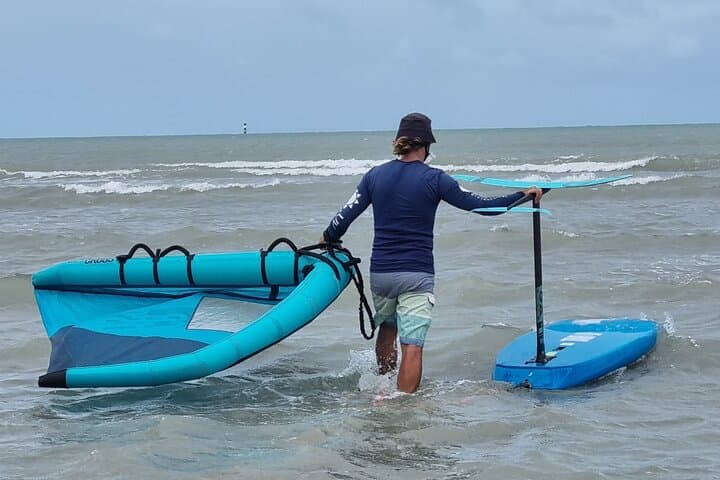
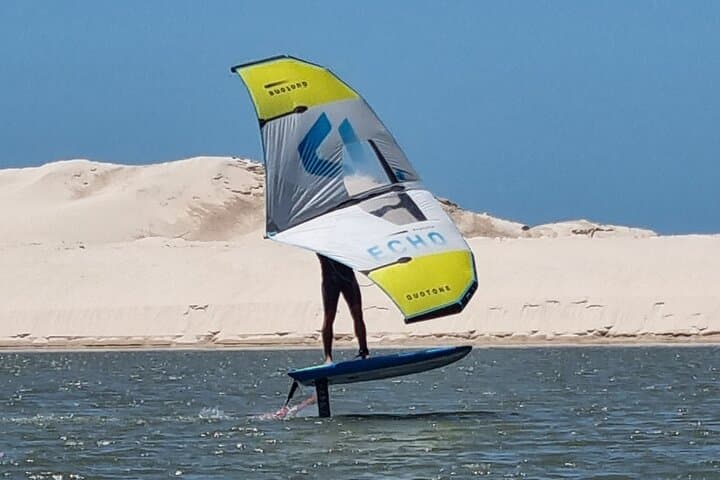
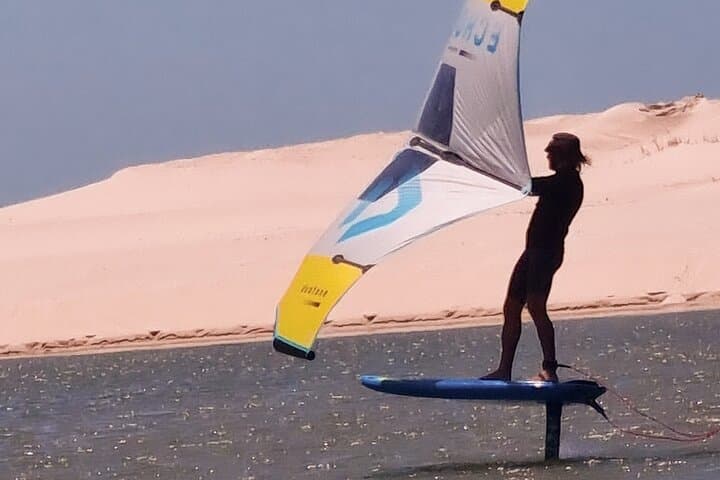
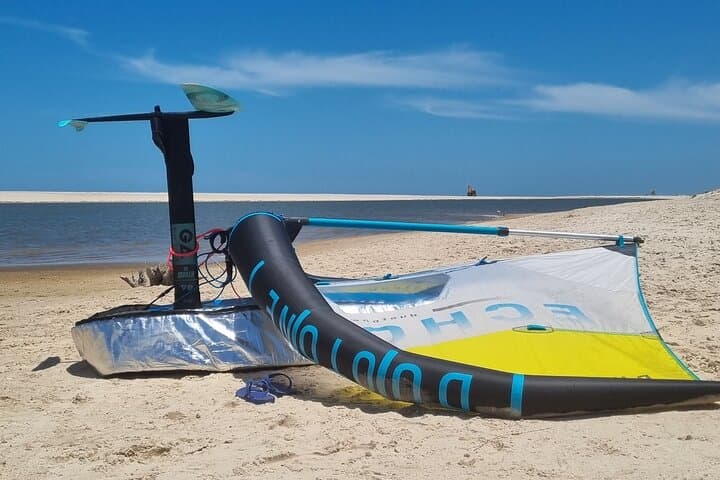
The wind lifts off the headland and tugs at the wing as you step from warm sand into chop; the board shivers, then steadies, and for a few breathless seconds the sea is motionless beneath the foil. That first lift—gentle, precise—is what draws people to Platja d'Aro: a stretch of Costa Brava coastline where open beaches meet rocky coves and the wind can make the water feel like a moving stage.
The wind lifts off the headland and tugs at the wing as you step from warm sand into chop; the board shivers, then steadies, and for a few breathless seconds the sea is motionless beneath the foil. That first lift—gentle, precise—is what draws people to Platja d'Aro: a stretch of Costa Brava coastline where open beaches meet rocky coves and the wind can make the water feel like a moving stage.
This part of the Girona coast grew from fishing hamlets and Roman-era routes into a 20th‑century seaside destination. The geology is plain to see—sandy spits interrupted by low cliffs and hidden inlets carved from limestone—creating predictable launch points and sheltered bays. Local culture is unapologetically Catalan: menus favor fresh seafood and simple, salt-forward flavors, and the Camí de Ronda coastal path offers quick access to quieter coves.
On a private wingfoil lesson you start on land with a compact theory session, then move to supervised water practice from a motorboat. Instructors break the skill down—wing handling, board balance, foil positioning—so even strong swimmers with little foil experience can progress to short flights.
Practically: wear a wetsuit and swimwear, expect 90 minutes of mixed instruction and on-water coaching, and allow extra time for briefings and gearing up. Conditions dictate how high and how long you fly; operators cancel in unsafe winds or heavy weather. Hydrate, apply reef-safe sunscreen, and listen closely when the instructor talks about launch vectors—onshore or side-on winds are the safest windows for learning to fly over the Mediterranean.