THE ADVENTURE COLLECTIVE® · Independent discovery and booking for outdoor travel

Spend a private day in Chile’s Maipo Valley visiting Concha y Toro and Santa Rita—historic wineries where cellars, vineyard walks, and guided tastings reveal how soil and sun shape Cabernet and Carménère. Practical tips cover timing, footwear, and what’s included.
Spend a private day in Chile’s Maipo Valley visiting Concha y Toro and Santa Rita—historic wineries where cellars, vineyard walks, and guided tastings reveal how soil and sun shape Cabernet and Carménère. Practical tips cover timing, footwear, and what’s included.
You step from the shuttle into rows of vines that slope toward low Andes foothills; the air smells of crushed grape skins and sun-warmed earth. At Concha y Toro, cellars cool the heat of the day and the famous Casillero del Diablo seems to watch with a wink. At Santa Rita, stone facades and 19th-century patios frame views that have watched Chile’s history unfold.
Verified experiences and guided adventures in the surrounding area.
Operated by Huaso Tours & Bike Rental Santiago · Santiago, Santiago Metropolitan Region
You step from the shuttle into rows of vines that slope toward low Andes foothills; the air smells of crushed grape skins and sun-warmed earth. At Concha y Toro, cellars cool the heat of the day and the famous Casillero del Diablo seems to watch with a wink. At Santa Rita, stone facades and 19th-century patios frame views that have watched Chile’s history unfold.
The Maipo Valley is one of Chile’s oldest viticultural regions—Concha y Toro founded in 1883 and Santa Rita in 1880—both shaped by volcanic soils and a Mediterranean climate. Geology here gives wines a backbone: alluvial deposits and gravelly loams drain fast, forcing roots deep for concentrated flavor. Culture is present in modest ways—family-run plots, pulsing harvest rhythms, and art installations on winery grounds that link viticulture to national history.
Expect guided cellar tours, structured tastings of Cabernet Sauvignon and Carménère, and conversations about sustainable practices that many estates now prioritize. Lunch at Santa Rita’s restaurant is an option; tastings and admission are typically included in the tour price, while meals are usually pay-as-you-go.
Practical notes: wear sturdy, comfortable shoes for uneven paths; bring sun protection and a light layer for cooler cellar temperatures. Tours average four to six hours door-to-door; private transport simplifies timing but confirm pickup details when you book. Hydrate between tastings and keep a small bag for purchases—wineries often ship internationally but allow you to carry a bottle home if you prefer. This is a relaxed, sensory day that pairs landscape with terroir and history.
easy.
4–6 hours.
Light activity—suitable for most fitness levels; expect short walks on uneven ground.
Lunch at Santa Rita’s à la carte restaurant is not included by default—many private tours offer a stop for lunch that you pay for on-site.
Yes—guided tastings and admission to the wineries named are typically included; check your voucher for specifics.
Private tours usually offer hotel pickup in Santiago but you must confirm your pickup point when booking via the provided questions list.
Many Chilean wineries offer shipping services; confirm customs and shipping costs with the winery before purchase if you plan to ship overseas.
Santa Rita and Concha y Toro were founded in the late 19th century; both helped professionalize Chilean winemaking and link it to national identity.
Wineries in Maipo increasingly emphasize water management and organic or integrated pest practices—look for sustainability notes on tasting-room materials.
Huaso Tours & Bike Rental Santiago operates guided outdoor trips and adventures with an emphasis on safety, stewardship, and memorable experiences.
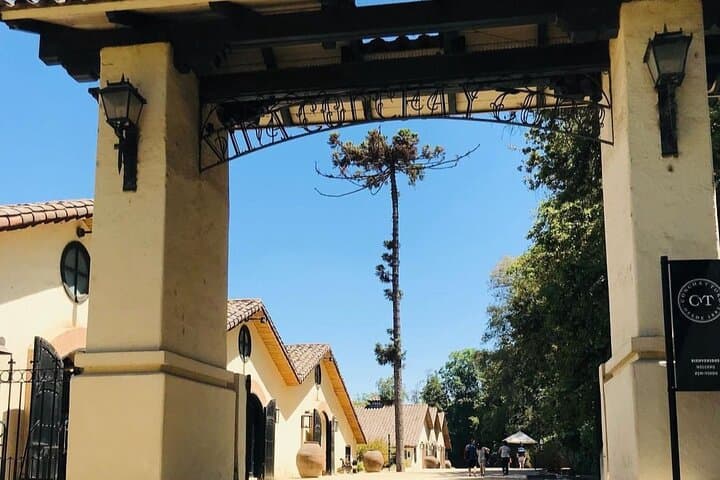
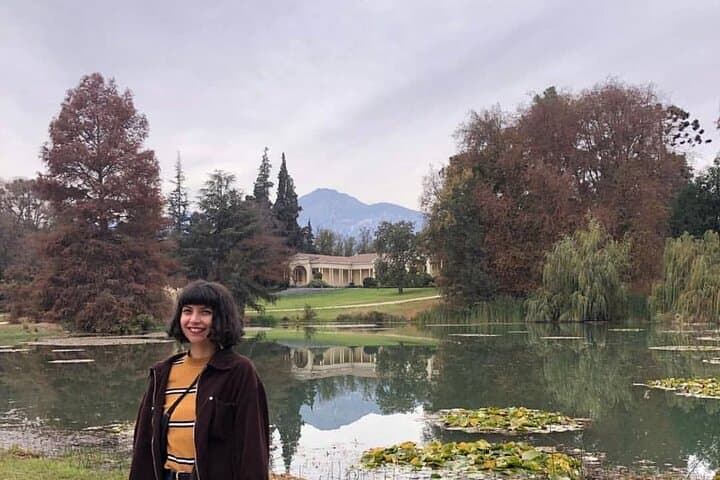

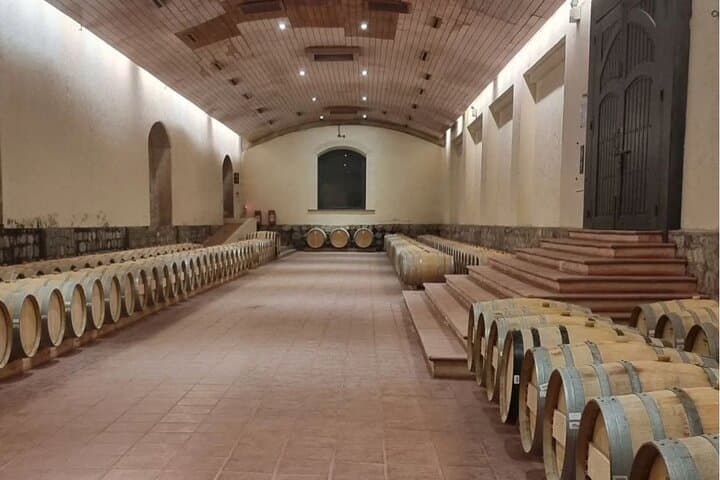
You step from the shuttle into rows of vines that slope toward low Andes foothills; the air smells of crushed grape skins and sun-warmed earth. At Concha y Toro, cellars cool the heat of the day and the famous Casillero del Diablo seems to watch with a wink. At Santa Rita, stone facades and 19th-century patios frame views that have watched Chile’s history unfold.
You step from the shuttle into rows of vines that slope toward low Andes foothills; the air smells of crushed grape skins and sun-warmed earth. At Concha y Toro, cellars cool the heat of the day and the famous Casillero del Diablo seems to watch with a wink. At Santa Rita, stone facades and 19th-century patios frame views that have watched Chile’s history unfold.
The Maipo Valley is one of Chile’s oldest viticultural regions—Concha y Toro founded in 1883 and Santa Rita in 1880—both shaped by volcanic soils and a Mediterranean climate. Geology here gives wines a backbone: alluvial deposits and gravelly loams drain fast, forcing roots deep for concentrated flavor. Culture is present in modest ways—family-run plots, pulsing harvest rhythms, and art installations on winery grounds that link viticulture to national history.
Expect guided cellar tours, structured tastings of Cabernet Sauvignon and Carménère, and conversations about sustainable practices that many estates now prioritize. Lunch at Santa Rita’s restaurant is an option; tastings and admission are typically included in the tour price, while meals are usually pay-as-you-go.
Practical notes: wear sturdy, comfortable shoes for uneven paths; bring sun protection and a light layer for cooler cellar temperatures. Tours average four to six hours door-to-door; private transport simplifies timing but confirm pickup details when you book. Hydrate between tastings and keep a small bag for purchases—wineries often ship internationally but allow you to carry a bottle home if you prefer. This is a relaxed, sensory day that pairs landscape with terroir and history.