THE ADVENTURE COLLECTIVE® · Independent discovery and booking for outdoor travel

Escape the city for a private, chauffeured day through Napa and Sonoma. Customize wineries, skip the driving, and taste across contrasting soils and styles with a professional driver handling logistics.
Escape the city for a private, chauffeured day through Napa and Sonoma. Customize wineries, skip the driving, and taste across contrasting soils and styles with a professional driver handling logistics.
You leave San Francisco with the city shrinking behind you and the road unspooling north — the damp bay air gives way to citrus and cut grass as vineyards appear like rows of intent labor.
Verified experiences and guided adventures in the surrounding area.
Operated by Aura Limousine · Napa, California
You leave San Francisco with the city shrinking behind you and the road unspooling north — the damp bay air gives way to citrus and cut grass as vineyards appear like rows of intent labor.
The drive itself is part of the experience: crossing the Golden Gate or skirting the Marin hills depending on traffic, then descending into two valleys carved by tectonics and time. Napa and Sonoma sit on a mix of alluvial fans and volcanic outcrops; soils vary block to block, and that variability makes the wine map so rich. European settlers planted grapes in the 19th century, Prohibition nearly ended commercial viticulture, and the mid-20th-century renaissance turned these valleys into global wine destinations.
Culture here balances refined tasting-room rituals with small-scale family producers who still hand-harvest. Expect tasting fees at boutique estates, polished hospitality at larger houses, and the occasional dog-friendly patio at a family winery.
Practically: book a private sedan to avoid driving after tastings and build the day around 3–4 stops to keep palate fatigue low. Wear shoes suitable for gravel and short walks among vines; bring layers for cool mornings and warmer afternoons. Ask about reservation policies and fee structures before arrival, and tip your driver for flexibility. Hydrate between tastings and plan lunch at a winery with food service or a nearby café.
This tour is relaxingly easy on the body but rich in sensory detail — tasting notes, vineyard textures, and a landscape that rewards slow attention. With a private vehicle you control pace, destinations, and the kind of wineries you want to meet: historic estates, experimental small lots, or classic Sonoma blends.
easy.
6–8 hours.
Minimal fitness required; comfortable with short strolls and standing during tastings
Yes; a private driver can route a day to include highlights from both regions, but expect 3–4 tasting stops total to avoid rushing.
Tasting fees are generally paid at each winery; confirm in advance whether any reservations include fees or waivers.
Most private tours offer hotel or residence pickup across San Francisco—confirm your exact address when booking.
Yes; professional drivers typically know a range of producers and can suggest options based on your preferred styles and pace.
Commercial viticulture began in the mid-1800s; Prohibition and phylloxera disrupted production, and a post‑war revival plus global recognition after the 1976 Judgment of Paris shaped modern prominence.
Water use and wildfire risk are ongoing concerns; many wineries pursue organic, biodynamic, or water‑saving practices—ask about sustainability when you visit.
Aura Limousine operates guided outdoor trips and adventures with an emphasis on safety, stewardship, and memorable experiences.
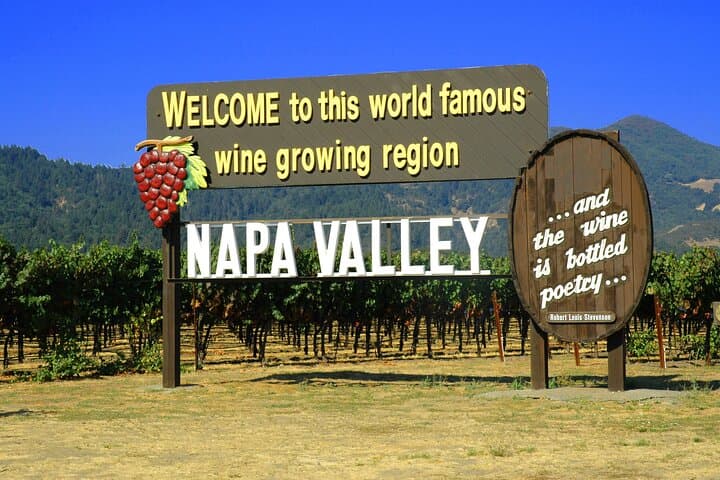


You leave San Francisco with the city shrinking behind you and the road unspooling north — the damp bay air gives way to citrus and cut grass as vineyards appear like rows of intent labor.
You leave San Francisco with the city shrinking behind you and the road unspooling north — the damp bay air gives way to citrus and cut grass as vineyards appear like rows of intent labor.
The drive itself is part of the experience: crossing the Golden Gate or skirting the Marin hills depending on traffic, then descending into two valleys carved by tectonics and time. Napa and Sonoma sit on a mix of alluvial fans and volcanic outcrops; soils vary block to block, and that variability makes the wine map so rich. European settlers planted grapes in the 19th century, Prohibition nearly ended commercial viticulture, and the mid-20th-century renaissance turned these valleys into global wine destinations.
Culture here balances refined tasting-room rituals with small-scale family producers who still hand-harvest. Expect tasting fees at boutique estates, polished hospitality at larger houses, and the occasional dog-friendly patio at a family winery.
Practically: book a private sedan to avoid driving after tastings and build the day around 3–4 stops to keep palate fatigue low. Wear shoes suitable for gravel and short walks among vines; bring layers for cool mornings and warmer afternoons. Ask about reservation policies and fee structures before arrival, and tip your driver for flexibility. Hydrate between tastings and plan lunch at a winery with food service or a nearby café.
This tour is relaxingly easy on the body but rich in sensory detail — tasting notes, vineyard textures, and a landscape that rewards slow attention. With a private vehicle you control pace, destinations, and the kind of wineries you want to meet: historic estates, experimental small lots, or classic Sonoma blends.